The Week 19 topic for 52 Ancestors in 52 Weeks is: PRESERVE. Today I’ll share my story.
I don’t know where my enthusiasm for researching and writing about family history came from. I do remember on our move from California to Connecticut, we stopped in Oklahoma to visit my husband’s family. His Great-Aunt Mildred Galloway had all the family census sheets and we had copies made to take with us. Maybe that’s what made me think about my family but a few years passed before I started anything.
I love finding the names and places, and I love having my DNA results to see the matches, but more than that, I love discovering the stories.
In the early days of my research, there was very little online, but I am fortunate to live in the same town that my parents’ families moved to in the mid-1920s. It was easy back then to visit the Town Clerk’s office for records. Over the years, I’ve received amazing photos and stories from my cousin Joan and her siblings and I’ve reached out with a little success for stories from my maternal cousins. It was through my cousin Judy’s files (and DNA) that led me to my half-Aunt Joanne.
I think most importantly for me is that my sisters and I grew up with only my grandmother alive and that was only until we were 7 and 9. My maternal grandfather died in 1944. My paternal grandparents died in 1927 and 1935! For our kids, my mother died before any of them were born. Now we have another generation in the family, these stories can get passed down to and through them.
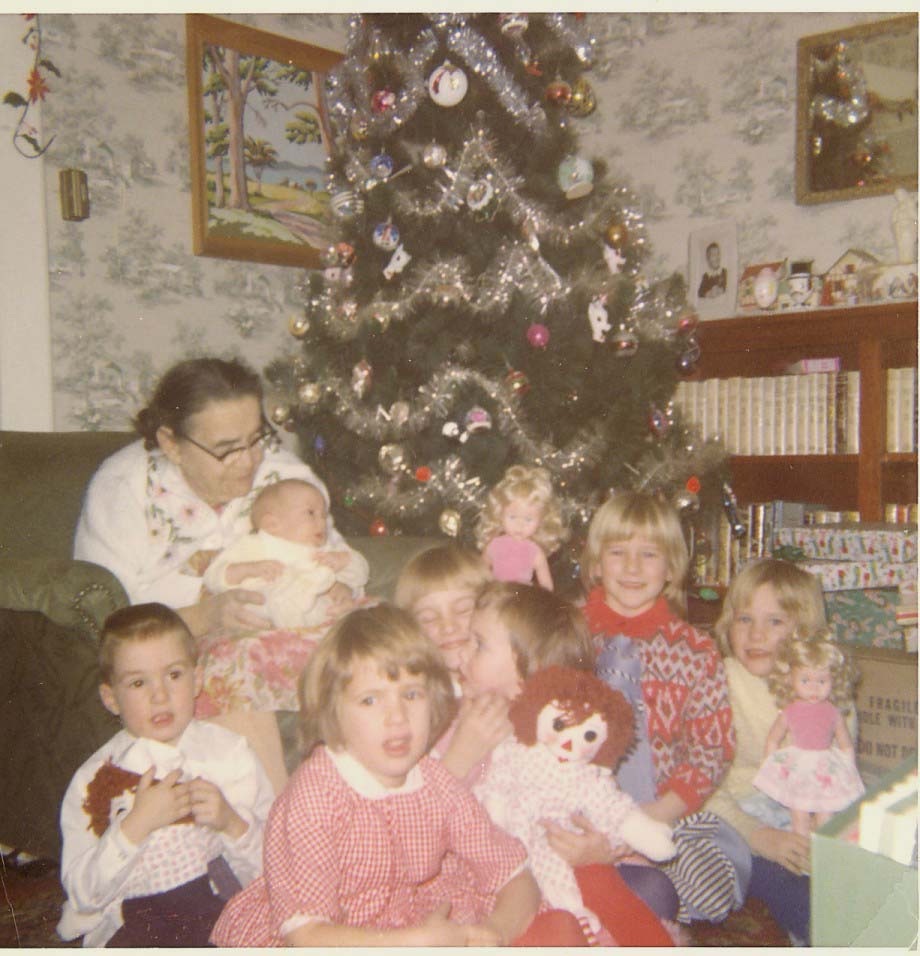
Gram with her 3 youngest grandchildren and 4 great-grandchildren Christmas 1966My mom and dad Christmas mid-80s
🎵 Love and Marriage, love and marriage, go together like a horse and carriage….🎵
The topic for week 18 in 52 Ancestors in 52 Weeks is: Love and Marriage.
I don’t know anything about the love lives of my ancestors, but there are two couples who had long married lives.
The first would be my great-uncle Walter Bonk and his wife Beatrice. I knew them as Uncle Walt and Aunt Bea. He was my grandfather’s half brother, born during my great grandmother’s second marriage. I only saw them once a year at the Pickerel Lake 4th of July parties along with their adult children and grandchildren and they always brought Great Aunt Mary, my grandfather’s sister.
Walter was born in 1903 in Wildenthal, in the Galician area of Austria. He and my great-grandmother, her husband John, and Walt’s half sisters Mary and Elizabeth came to the United States in 1907. They went from Yonkers, to New Jersey, to finally Wallingford.
Walter met Beatrice and they were married in 1925 in New Haven. They lived in New Haven until his father’s second wife Viola died in 1937 and they inherited the home on East Street. They had four children, Ann, LaVerne, Joan, and Henry who all grew up in Wallingford.
Uncle Walt and Aunt Bea 1925
Uncle Walt died in 1998 at the age of 94. At that time they were married for Seventy-Three Years. 73! That was longer than my mother was alive! Aunt Bea lived until the age of 98 and she died in 2003.
The second couple with a long, happy, married life was my mother’s sister, Judy, and her husband Mal. I wrote about their marriage here. They were married in 1939 and were together until Uncle Mal’s death in 2002 at the age of 89. They lived down the road from us in Wallingford for many years until they moved to Florida. They were together for 63 years. Aunt Judy lived for another 14 years until she died in 2016 at 99 years old.
Aunt Judy and Uncle May – 50th Anniversary and 1939 weddingGail and Aunt Judy Summer of 2013
Now, I wouldn’t want you to think that it takes being married to live a long happy life because my Aunt Tootsie is the exception to that!
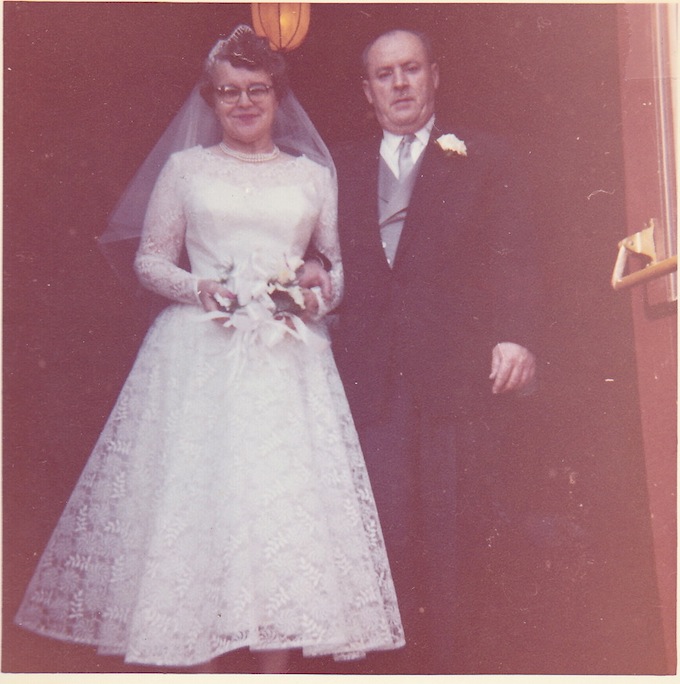
Aunt Tootsie dated Uncle Lester for a number of years while they were both taking care of ailing mothers. They finally married in November of 1960 and lived in Wallingford with my grandmother. Uncle Lester died of a heart attack short of three years later in August of 1963. Gram died in 1967 and Aunt Tootsie lived alone in the house on Clifton Street.
Aunt Tootsie and Uncle Lester 1960
Aunt Tootsie found love again with someone she and Uncle Lester had known for a number of years. She and Andy were married in November of 1978 and lived on Clifton Street but, unfortunately, Andy died short of three years later in August of 1981. Weird right?
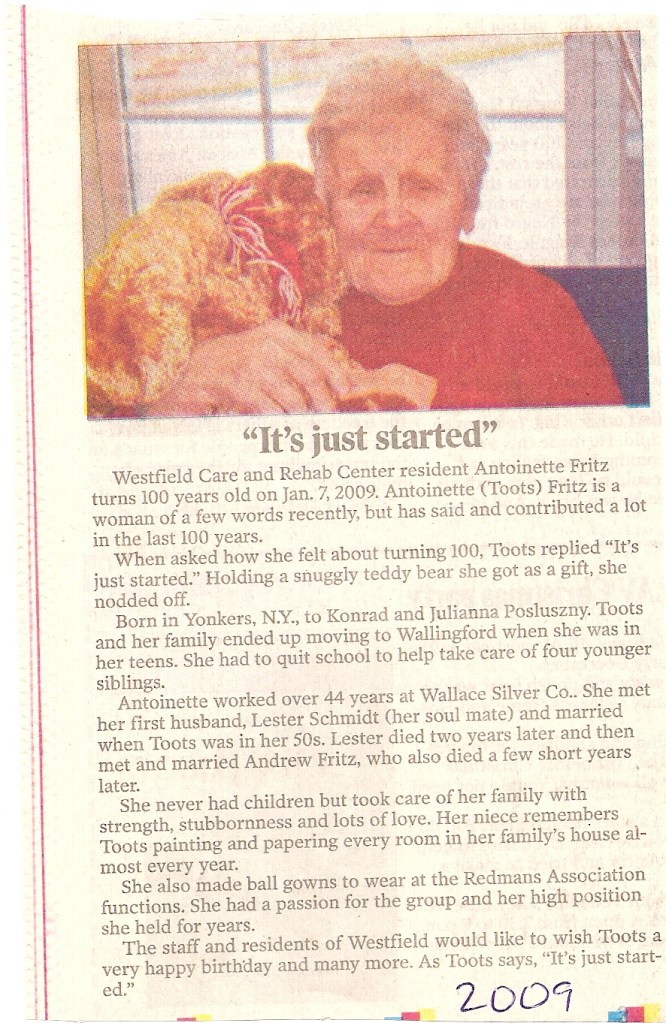
Aunt Tootsie continued to live in the house on Clifton Street until she moved to an apartment in the Judd Square apartments and then to Westfield Nursing home. She died in September 2010 at the age of 101.
The topic for Week 17 of 52 Ancestors in 52 Weeks is WAR.
Over the life of this blog, I’ve talked about family members who have been in World War I like my paternal grandfather Charles Jakiela, and my Uncle Walt in World War II.
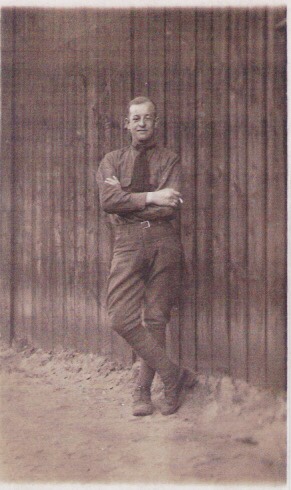
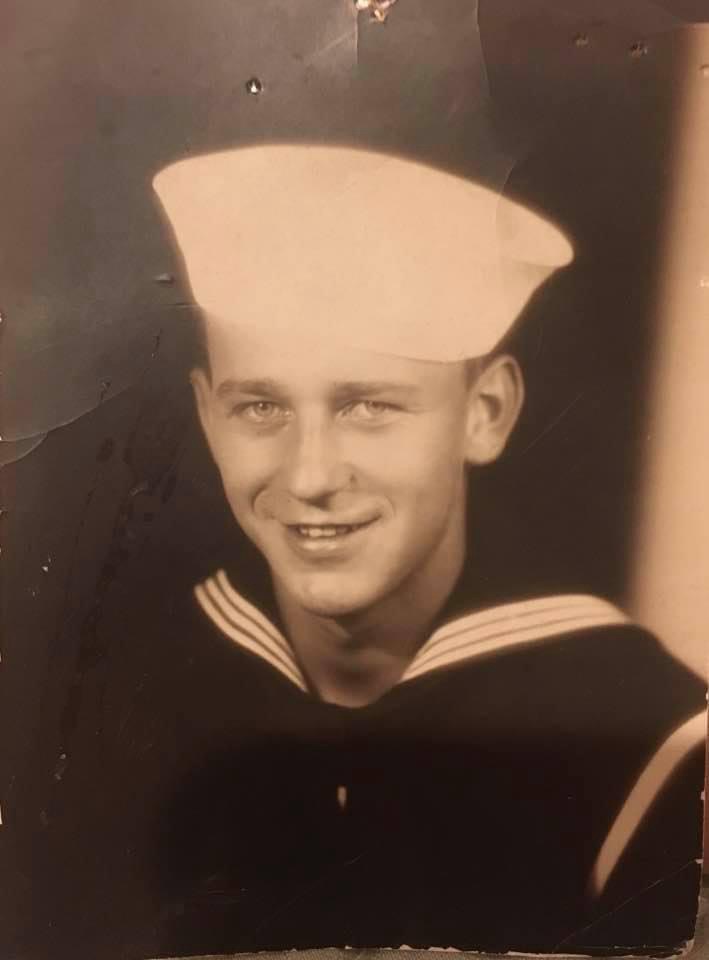
paternal grandfather Charles Jakiela abt. 1923maternal grandfather, Jacob Engram abt. 1918Uncle Walt abt. 1941
My grandmother’s brother Bronislaw Liro went BACK to Poland only a year or two before World War I broke out and managed to escape from Siberia!
My biological maternal grandfather, Jacob Engram, was in World War I as a member of the 49th Infantry out of New York. My lifelong maternal grandfather, Konrad Posluszny, didn’t serve in the war but he had four young children at home when the First World War broke out.
There was the aftermath of World War II as described by my grandfather’s brother Antoni in his letter to my dad and his siblings in the United States. “Even Helenka’s photo on a pony bothered them hanging on a wall.”
My mother’s brother, Connie, and her brother-in-law Mal both served in World War II. Connie was a cook in a San Antonio training camp. I have no records of him anywhere on the Fold3 website but in the videos from conversations with Aunt Judy, she said he was a cook and they had to pack up the kitchen when the fighting got close. The possibility of Connie going overseas was the family’s explanation when his father Konrad committed suicide in late December of 1944.
Uncle MalGram, Connie, Gramps
My husband’s dad Harold, uncle Ronald, and his step-dad Paul were all in the Korean War. Harold was a cook and Paul was in the motor pool in Korea. Ronald was in a tank during his time in Korea and it was a time that had a lifelong effect on him.
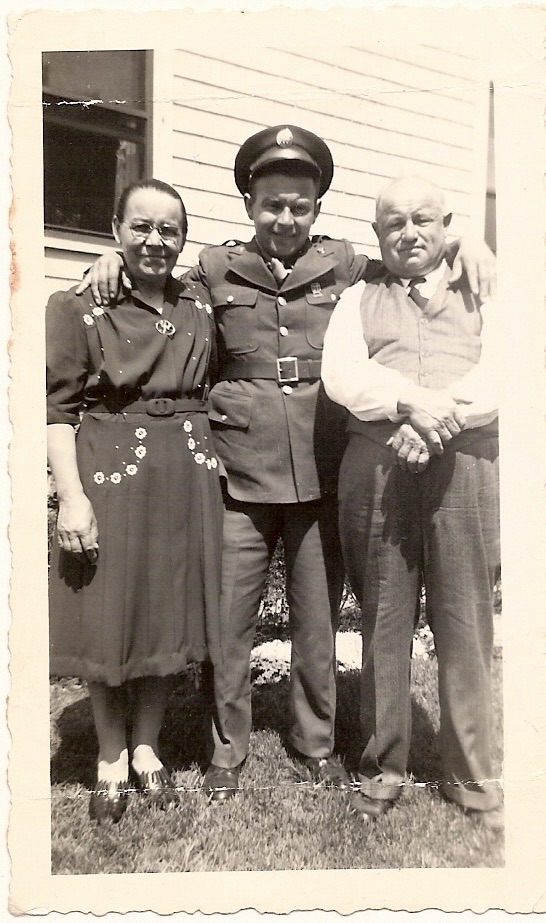
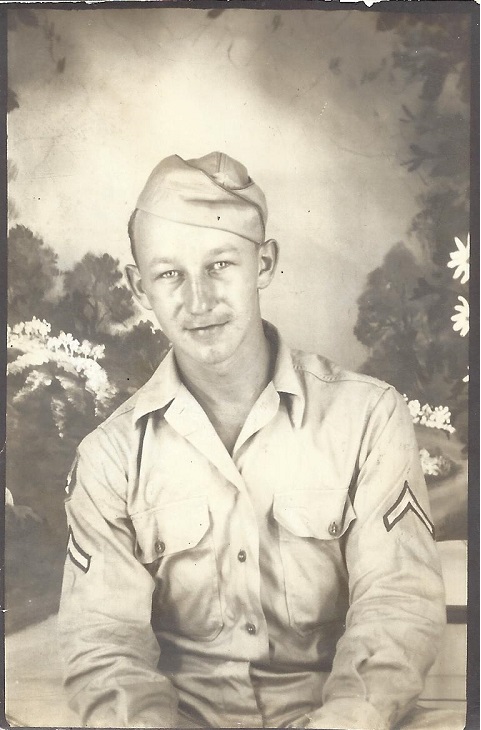
My dad, John, enjoyed his time overseas. He enlisted in February of 1943 in the Army/Air Force and headed overseas to Suffolk England. He talked very fondly of his time there at an airfield base and I think it was because he could leave home. He was living with his oldest brother, Steve, Steve’s wife, their two young sons, and John’s sister, Helen. I know he was grateful that he had a home, but I think it was a little crowded! He recalled to my sisters and me that when it was time to board the train to head off, parents and sons were crying. His only thought was, “This is an adventure!”. He volunteered for hatchman duty on the transport ship to England because it gave him privacy. At Great Ashfield Airforce Base near Stowmarket England, the location of the 385th Bombardment Group of the USAAF, he was a Corporal of the MPs on the base. He was back in the United States by September of 1945.
John Jakiela, Corporal Army Air Force Word War II
He had a picture of his squadron framed and hanging in his basement work area. We loved to take it from its spot and listen to his stories of the men in the picture.
He kept his address book of local friends and their war addresses along with the addresses of people he met while in the service. I have it now and like to flip through it to look at the various names.
He had a few Suffolk locals listed in there. One is Joyce Filby of Finningham England, who I think was his girlfriend while he was there. Another is the Hammond Family of Wetherden. I have a letter they wrote in November of 1947. Although the war was over for two years, they were still having difficulty getting food and were being strictly rationed for bread and potatoes. “Things are getting worse instead of better.” That sounds similar to Great Uncle Antoni’s letter from Poland in January of 1947!
Although some of the men had difficulties once they came back to the United States and their families, I’m grateful they all came back.
A journey of a thousand miles begins with a single step
The topic for Week 16 of 52 Ancestors in 52 Weeks is – STEPS. This week I’m bringing my husband’s side of the family into the “It’s All About Family” family.
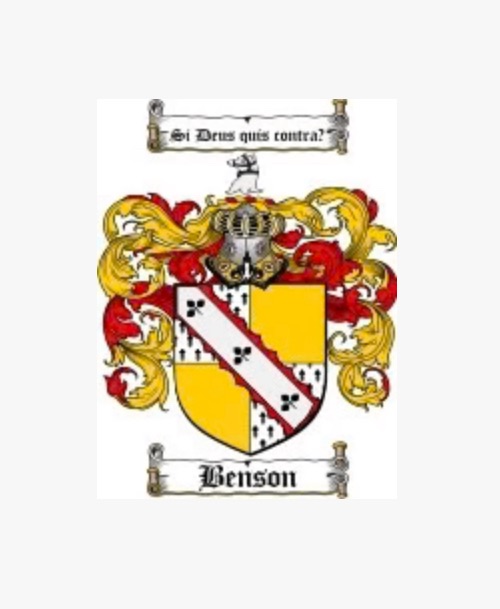
My husband Mark is a Benson with a lineage back to 1495 in Yorkshire England through 12 generations.
His 7th great grandfather, Christopher brought his family, including 6th great grandfather, John Benson to “the New World” in 1693. John married, lived, and died in Newport Rhode Island in 1722.
5th great grandfather John Hendrick was born in Newport RI in 1720. He married in the Second Congregational Church in Newport. He raised a family in North Carolina, and died in 1803 in Washington Georgia.
4th great grandfather, William Carroll Benson was born in 1755 in North Carolina. He married in 1772, moved to Barren Plains Tennessee, and raised 11 children. He died in 1831.
3rd great grandfather William Carroll Benson Jr, was born in 1783 in Barren Plains Tennessee. He made his way to an area of Illinois which is now Williamson County named for his donation of land. He was one of the original settlers of the area and there is a lot of information on him. He died in 1856 in an area of Williamson County Illinois
Joseph William Benson was born in 1825 in Marion Illinois and remained there until his death in 1876. He fought in the Mexican American War of 1846-1848 and was registered to fight in the Civil War but I don’t know if he did. He’s the only Benson that didn’t move away from his birth place!
Mark’s great grandfather, Archibald Lee Benson was born in 1867 in Marion, Williamson County, Illinois. He and his wife and children moved to Shawnee Oklahoma just prior to 1910 and he died there in 1948.
Grandfather Cletus Harold Benson was born in 1907 in Oklahoma. He and Mark’s grandmother divorced and He died in 1963 in Sacramento California.
Archibald Lee and son Cletus Harold Benson
Mark’s dad Cletus Harold Jr was born in Oklahoma and he and Mark’s mom made their way to Oakland California after their marriage in the late 1940s.
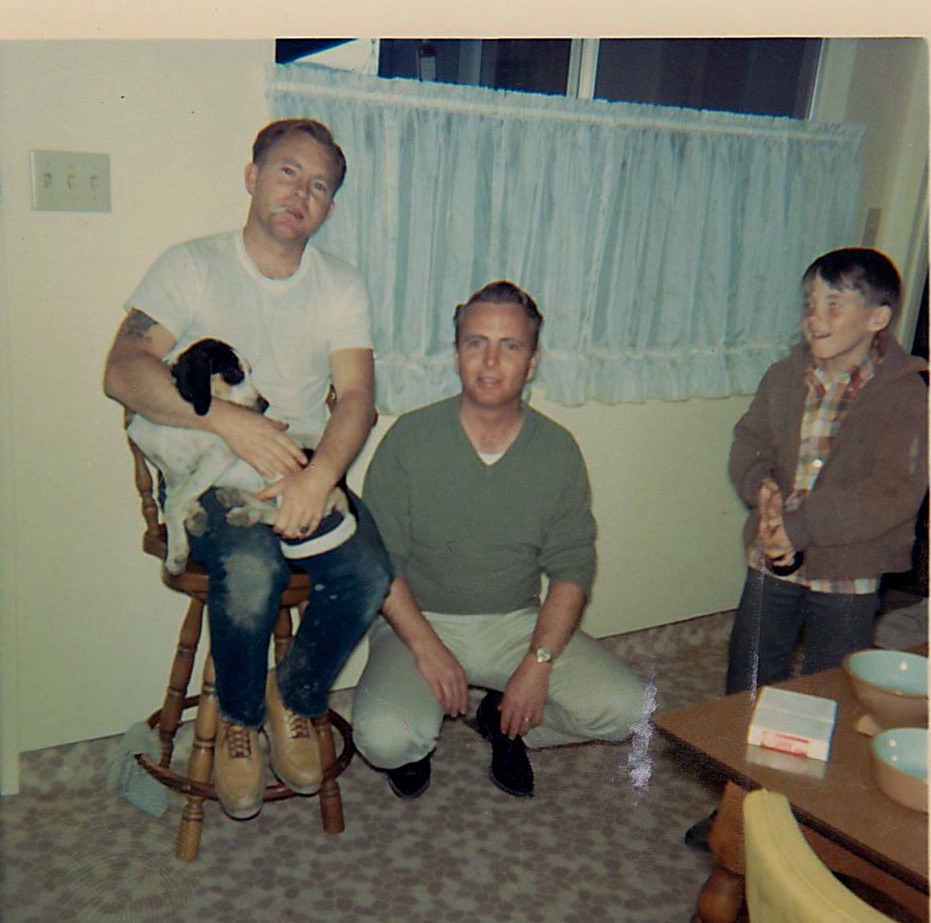
Ronald, Harold, and Mark abt. 1965
Mark was born in California and lived there until 1995 when we made our way to Wallingford Connecticut, my hometown, to live and here we are today. Not Leaving!
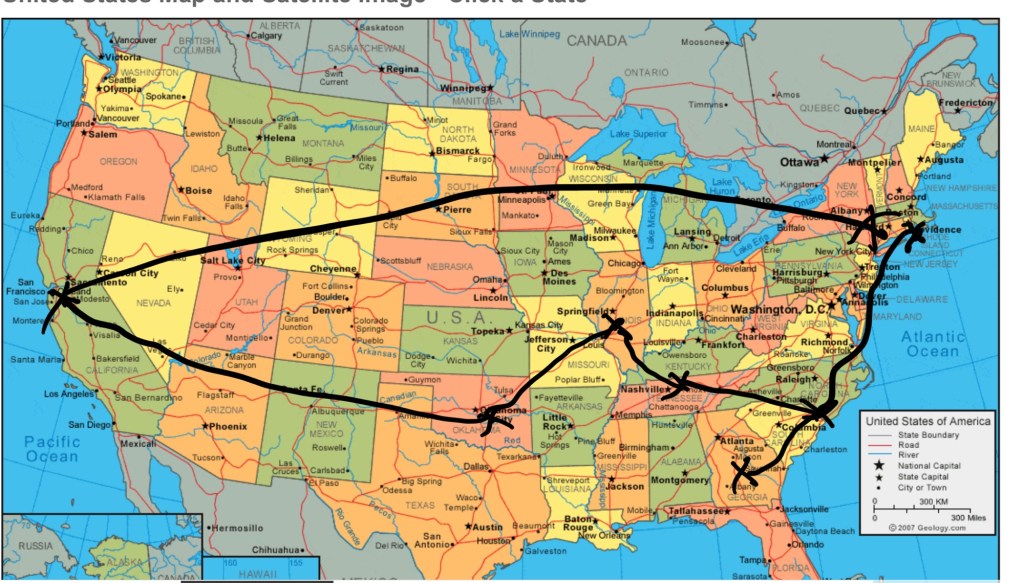
The clockwise (sort of) travel route of the Bensons from 1693 to 2024!
It’s funny to think that all those miles of travel, all those steps around the United States and we find ourselves one state away from where the Bensons began life in America!
The topic for week 13 of 52 Ancestors in 52 Weeks is – Worship.
My maternal and paternal sides of my family have always been catholic. I have no church records of their marriages in the United States but I have baptism records for almost all of my parents’ siblings. My Posluszny family likely attended St. Mary’s Church in Yonkers New York as it was the oldest Catholic Church and about a half mile from their Jefferson Street home.
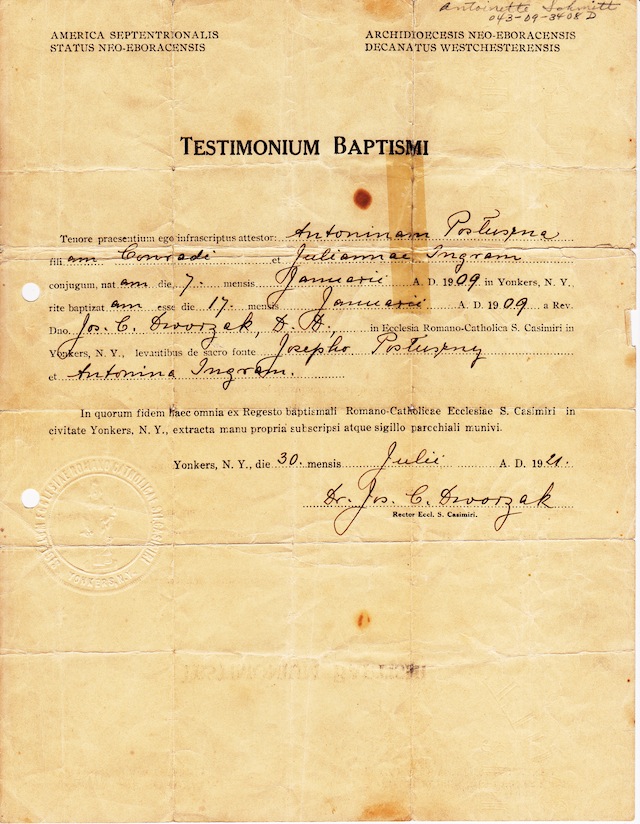
Aunt Tootsie’s baptism record 1909
After their move to Wallingford, my Great Aunt Mary Posluszny Biega and her family attended St. Casimer’s Polish National Church. There was/is also a Polish Catholic Church, Saints Peter & Paul in Wallingford so I’m not sure of their decision to go to one over the other – possibly location. My Aunt Judy talked about my grandmother acting in the plays at St. Casimer’s with my Great Aunt Mary (her sister-in-law) directing, so I’m assuming she attended that church! At some point, my mother’s family switched to Holy Trinity Church. I speculate it had something to do with my cousin Judy, the first grandchild, attending Holy Trinity School in the mid-1940s. There would be 13 Posluszny related cousins attending the school over the course of 40 years.
The Biega family and my great grandmother Carolina Posluszny/Bonk continued at St. Casimer’s and are buried in its cemetery. While Holy Trinity has a beautiful spacious cemetery not far from the center of town, St. Casimer’s is off an industrial road on the south end of town near the highway and train tracks. In fact, you used to cross over the tracks at section WITHOUT ANY GATE OR SIGNAL. Yes, I put that in all caps because our neighbors (father, daughter, and son-in-law) were hit by a train while crossing the tracks in their car in 1992. That amazes me that the crossing was still allowed in the 1990s.
Interesting aside about Holy Trinity Church…I met an older woman years ago while on a work appointment. She was Italian and grew up in the Colony Street area of Wallingford. She said Holy Trinity Church was started by the Irish in Wallingford in 19847 and a brief rundown of the priests in the church’s history reads like a Dublin phone book – McGarisk, O’Reilly, Teevens, Quinn. The Italians were not made to feel very welcome in the church so they created their own women’s society within the church. Perhaps that’s why the town still has two Polish churches!
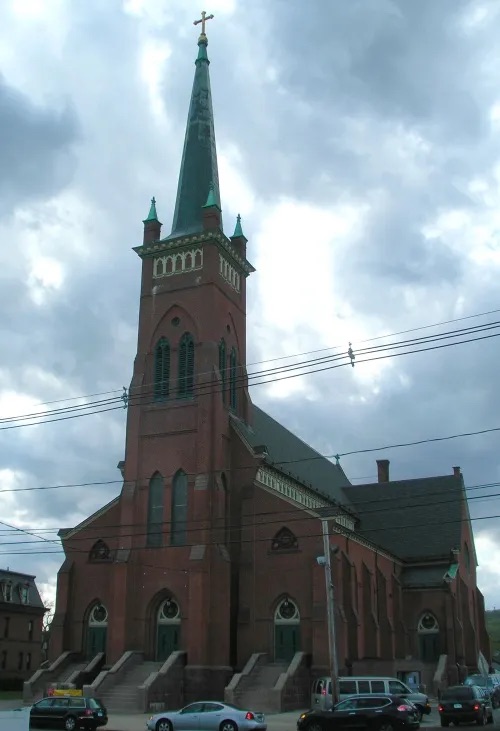
St. Casimer’sHoly Trinity
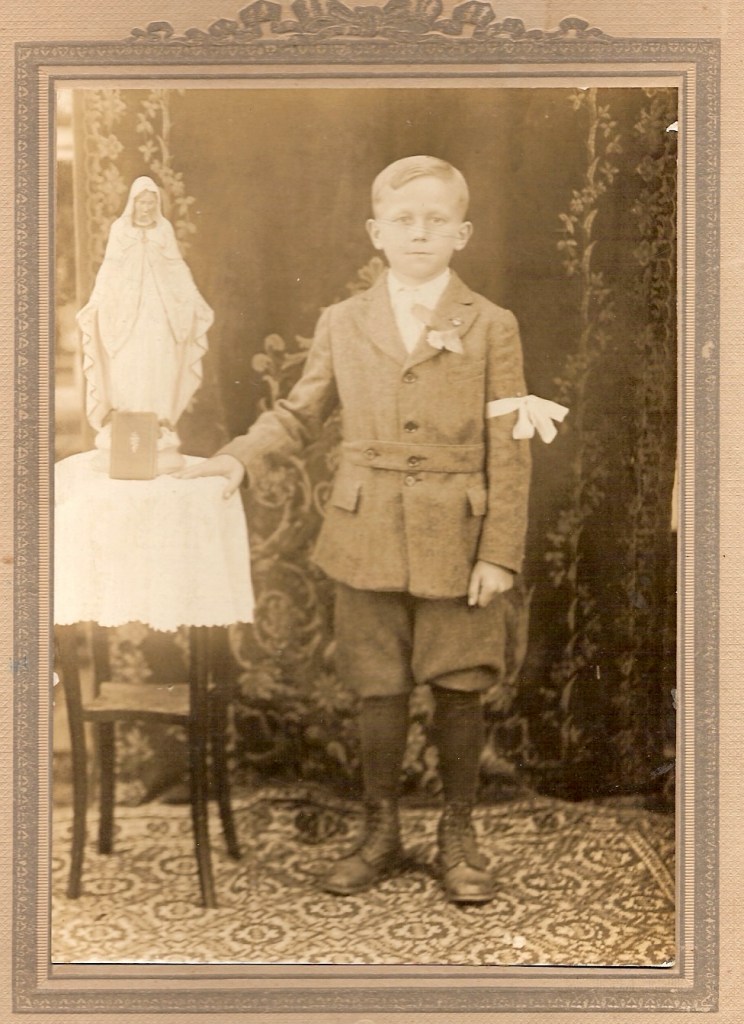
Once my paternal Jakiela side settled in Southington CT, they attended The Church of the Immaculate Conception where my Uncles Steve and Eddie made their first communion.
Steve abt. 1923 (10 years old?)Eddie abt. 1925 (10 years old?)
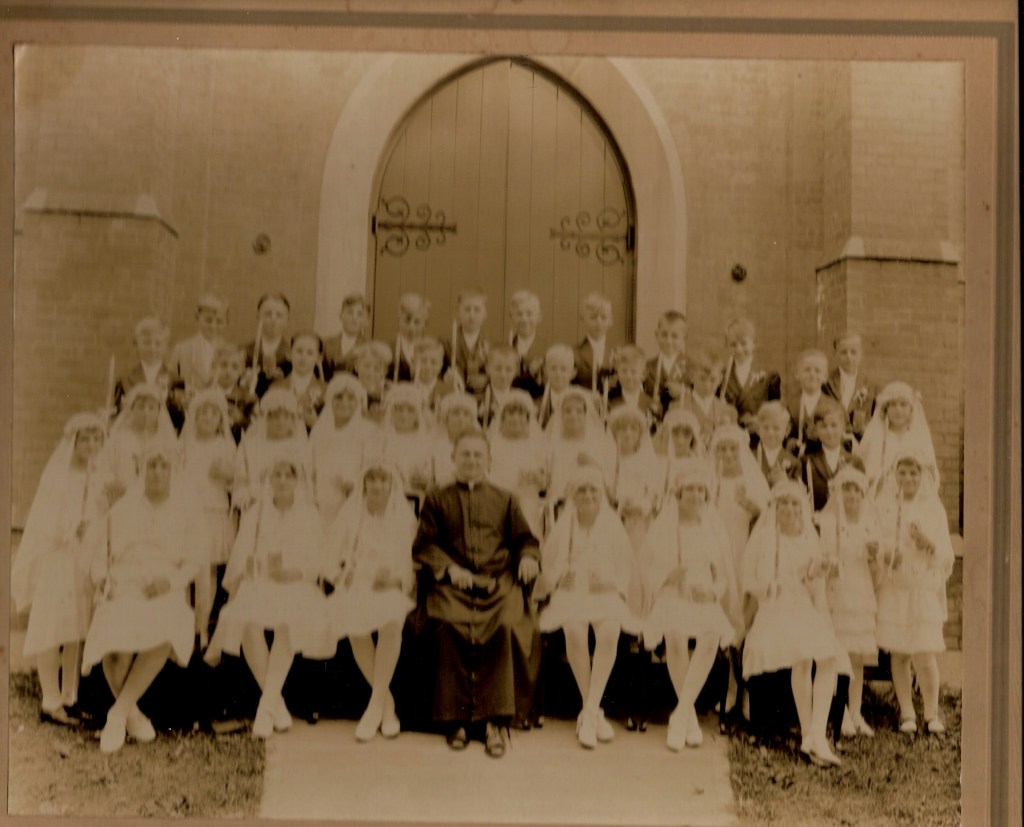
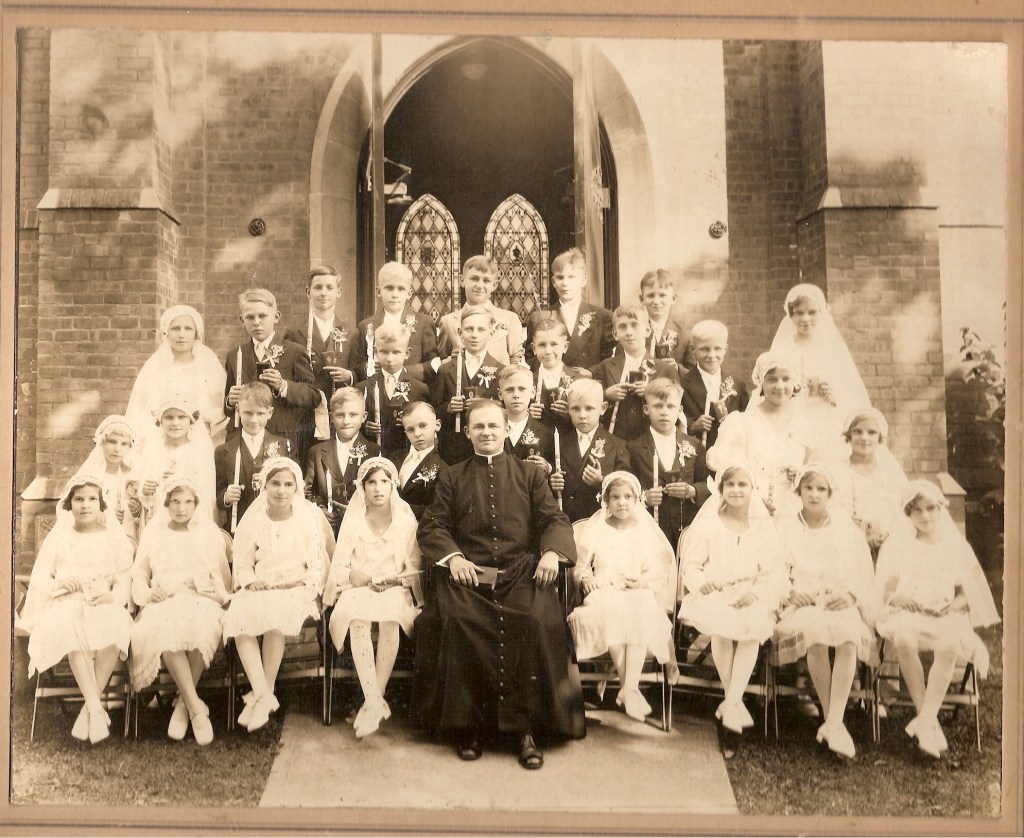
After my grandmother Antonia died, my grandfather and his five children moved to Wallingford and they began attending Saints Peter and Paul Roman Catholic Church. My dad, his brother Walter, and his sister Helen all made their first communion there. The boys were altar boys and Helen cleaned the altar for the priest.
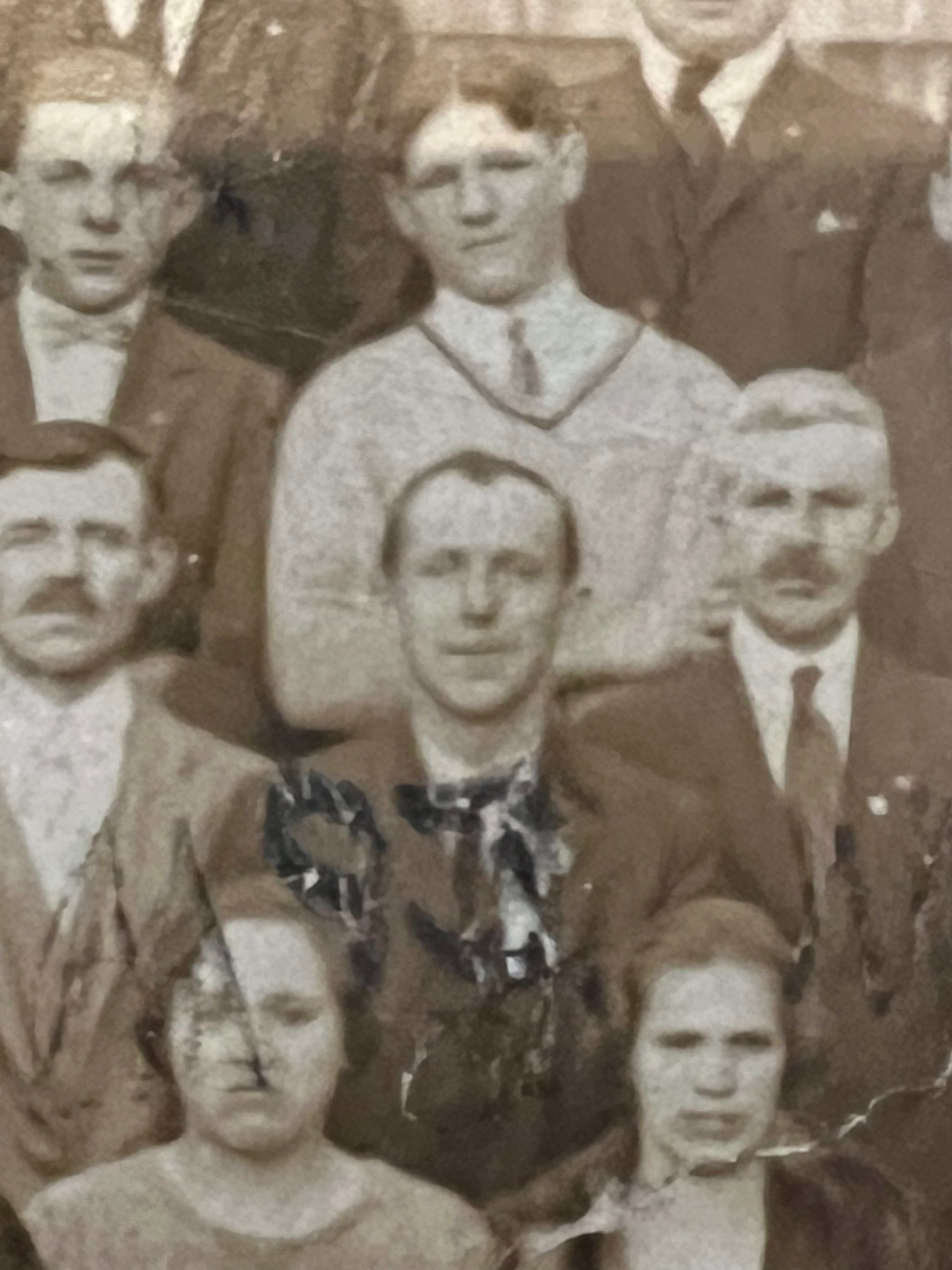
Helen – 2nd row 4th from left abt. 1930 Walter – 3rd row 4th from leftabt 1932John – 2nd row 2nd from right abt. 1934The fact that all five of these pictures remained in the family for so many years makes me so happy!
After their father died tragically in 1935 the priest worked with Steve, the oldest sibling, to be sure the family stayed together by offering to “be their guardian” in the event the state tried to separate them. Thankfully that didn’t happen!
My Uncle Steve’s family must have continued to attend Sts. Peter and Paul after their first two children were born. Charles, their oldest, wanted to attend Holy Trinity School. In order to get free or discounted tuition, they needed to be parishioners of Holy Trinity Church as so they did. That began a Jakiela tradition of all eight Wallingford cousins graduating from Holy Trinity School.
As a family, my parents, sisters and I went to Holy Trinity Church every Sunday for the 9:15am mass. We sat in the same general area and looked the back of the same heads every week. We also attended mass with our classes for holy days. I enjoyed walking down the hill to the church on those days! I was not crazy about going to mass every Sunday and wished that we took a summer break from church like we did with school. Even when we were on vacation, we went to Sunday mass at the local church!
After mass we would head to Boylan’s Market to pick up the Sunday newspapers – New Haven Register, New York Daily News, and a Boston paper – and drop off a paper to our grandmother and Aunt Tootsie.
1967 Janice’s first communion1969 Nancy and Gail’s first communion – 2nd from left and on right
We all made our first communion and I was annoyed we didn’t get to wear pretty dresses like Janice did! we made our confirmations and had our 8th grade graduations at church as well. Janice and Gail both were married at Holy Trinity.
When my mother died in April of 1987, her funeral mass was one of the last times I attended church before I moved to California that October. I didn’t stop because I was upset with God or anything but I was going because I didn’t want to disappoint my mother. Weird I guess, but we do what we do.
My father continued to attend of course and looking back I really admire his faith. Not the “I have faith in you” kind, but his religious faith. It’s not always easy. He started attending the late Saturday afternoon mass and afterwards, he would drop off the mass bulletin to my Aunt Tootsie, my mother’s oldest sister. He probably did that right up until his heart surgery.
He died in 2010 on Palm Sunday. The nursing home distributed palms that morning and they were in his room when he died. I still have them. As he told the medium in the first reading I had, “I died an angel’s death Phil”, meaning he didn’t feel anything, he didn’t suffer. Fitting for a person who worshipped until the end.
The Week 10 topic for 52 Ancestors in 52 Weeks is “Language”.
I’m on my 80th consecutive day of learning Spanish through Duolingo and trying to remember the possessives, the verbs, the subject pronouns, the “el”s and “la”s – whooo boy – I break out in a sweat as I get toward the end of the lesson and I know I’m going to have to type out the answer myself instead of picking words from a list!
I begin to imagine what my ancestors felt, coming to the United States, likely not knowing any English and hoping to find a job quickly. There were no ESL classes for them!
My maternal grandmother spoke German, Polish, and Russian and my paternal grandparents Polish. My Uncle Eddie spoke to me of being laughed at in school because he and his brother spoke only Polish (likely in the early grades, hopefully soon enough he learned English!). My paternal grandfather went off to World War I speaking little to no English.
I admire anyone who can speak a language other than their own. I’m hoping that someday what I’m learning will come in handy!
In January of 2020, I wrote a story about my grandmother Juliana Ingram Posluszny Taking in her cousin’s daughter after her cousin, Mary Kukulska Juszczak died in childbirth. Mary’s granddaughter sent me a copy of the court documents for the adoption that included my grandmother’s affidavit.
Come to find out, Mary successfully gave birth to her daughter Mary in 1910. Her husband John was the one who passed away in 1910 from an accident at the sugar factory.
With an infant to take care of, Mary married Michael Zupka in June of 1911. Shortly thereafter she became pregnant and gave birth in March of 1912 and, did you guess it? She died in childbirth. Their son Michael died as an infant in November of 1912.
I don’t know at what point Mary’s stepfather gave her to grandmother to take care of. Likely when her mother died, and I wonder who took care of baby Michael until his death 8 months later. My grandmother kept her until the strain of trying to raise three toddlers of her own became too much for her. Michael Zupka remarried in July of 1913 and went on to have 3 children. He passed away in 1955.
I relayed this new information to Mary’s granddaughter and she said her mother only knew her mother died in childbirth. It was just with the wrong child! When Mary got married to Michael Zupka it was using her married name Juszczak and I never thought the story was any different.
Mary Kukulska Juszczak abt. 1910
Mary’s daughter was adopted by a lovely couple who had lost their daughter in 1914 to diphtheria. She had a very happy life and knew she was adopted but never wanted her daughter to find her biological family. Her daughter found the adoption paperwork when she was cleaning out her grandmother’s house.
The week 9 topic for 52 Ancestors in 52 Weeks is Changing Names.
You may have a story or two in your family about how “their last name was changed/shortened by the Ellis Island worker that couldn’t understand what they were saying”. Although that probably happened to some people, many times it didn’t happen that way! Most likely it was done by the immigrants themselves trying to fit in, or tired of spelling their name or hearing people mispronounce it!
My maternal family last name was Posłuszny. That little line through the “ł” sounds like “whoosh”. The majority of misspellings I see is “Poslushney”.
Two of the five Posłuszny brothers, Joseph and Charles, changed their name to Post some time during the 1920s. John used Post for business purposes as a restaurant owner, but used Posłuszny in his personal life.
Frank, poor Frank, who spent decades in an insane asylum, remained Posłuszny for his lifetime as did my grandfather Konrad’s family. I recall hearing that my Aunt Judy wished her dad had changed their name because she got so tired of spelling her last name to people!
Left to right John, Joseph, Frank, Charles, (far right) Konrad
The topic for week 8 of 52 Ancestors in 52 Weeks is – Heirlooms.
The definition of a Heirloom is a valuable object that has belonged to a family for several generations. Since my great-grandmother was the farthest back generation to immigrate in the early 1900s, I’ll have to go with what I have, but I still think they are pretty important!
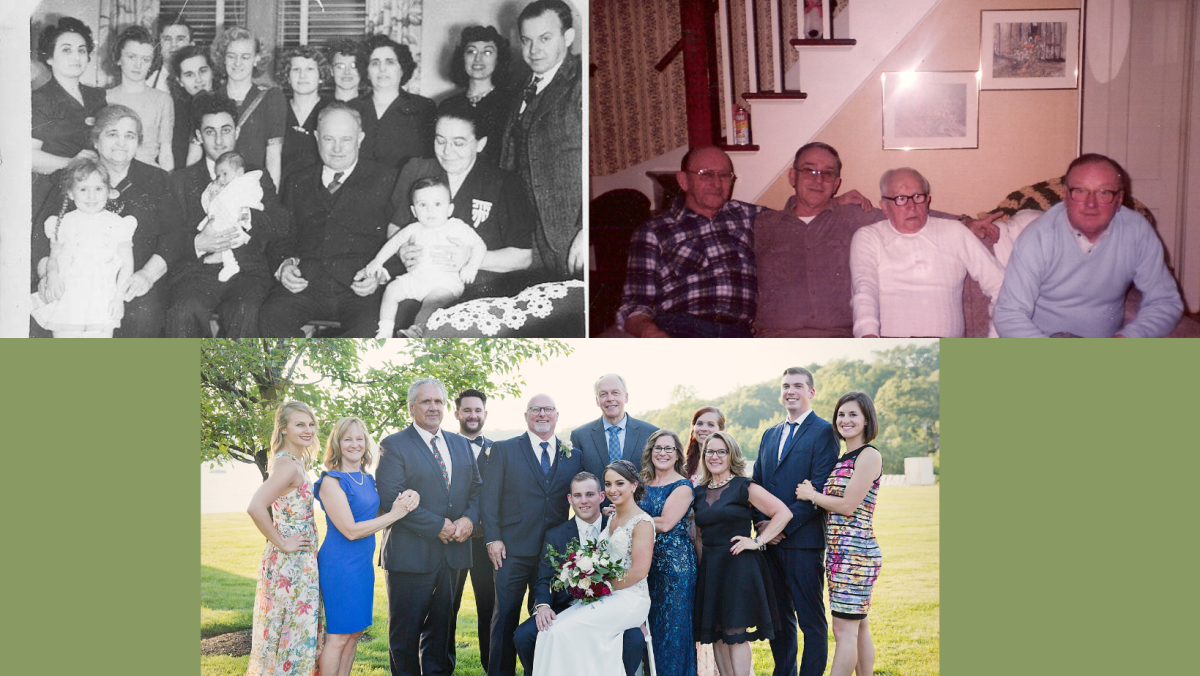
Pictures. I have a lot of pictures! Professionally taken including family groupings from the early 1910s, first communions from the early 1920s, weddings, and family photos collected in multiple albums by my mother growing up in the mid-1920s and early 1930s, and beyond. In addition to those, I have videos from the early 1930s through the 1970s which I wrote about in an earlier post here.
Posluszny Family abt.1910Connie and Betty abt. 1927Eddie Jakiela abt. 1920Ingram Family date unknownJulianna, Konrad, Antoinette abt. 1910
When I started research in 2000, my Aunt Tootsie (Antoinette) was the Family Historian. She was the oldest Posluszny sibling and lived in the family home on Clifton Street from the purchase in 1925 until she moved to a Judd Square apartment in 1989. I often sat with her to discuss the family and the people in the pictures. Dates and seeing how far your lineage stretches back are fun, but my interest has always been the stories and photos. Who they were as people and as a family. Who we most resemble. I try to imagine what life was like in Yonkers and Connecticut in that time frame. I guess that’s why I love where I live so much because this is where they lived their lives.
I’m grateful over the years to acquire more photos from my Jakiela cousins, through my ancestry contacts, and through unexpected DNA matches! I’ll continue to share more pictures and stories as I create some order to my accumulated files and notebooks.
Week 7 of 52 Ancestors in 52 Weeks is all about Immigration.
It’s impossible to focus on just one ancestor because they all left the same region between the ages of 4 and 51 between 1899 and 1912.
My maternal grandmother, Julianna Ingram in 1903 at 16 years old followed by one sister 4 years later and another sister 8 years after that.
My paternal grandfather Charles Jakiela in 1905 at 15 years old without any siblings ever following him. Traveling to Southington Connecticut and shortly after to Palmer Massachusetts to work in the textile mills.
Imagine sending your child, first on a (present day) 14 hour overland trip to get to the port of Bremen Germany. From there, they would board a steam ship to travel to New York and start a new life – without you. Neither Julianna or Charles ever returned.
You couldn’t just pick up a phone a find out how their trip was or are they getting enough sleep, and have they found a job yet?
My maternal grandfather Konrad Posluszny immigrated in 1900 at 16 years old. He had the benefit of uncles already in Yonkers, New York and all his brothers arrives in the next five years. His mother, step father, 2 sisters, and a half brother, arrive 7 years after he did. They were lucky to all be together in the “new country”.
My grandmother Julianna left behind her parents, and 2 sisters and a brother, one or two were born after she left. I wonder how affect they were by the first and second word wars because we do know how Charles’s family fared.










 It's All About Family