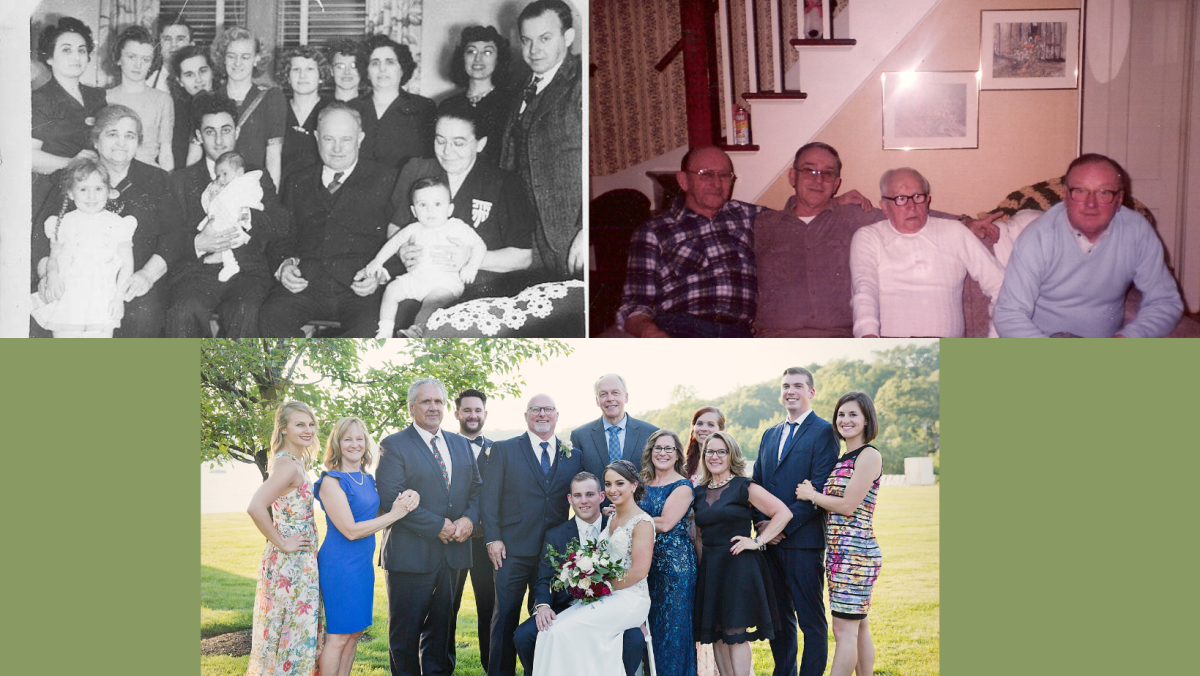
Traveling the United States

The Week 28 topic for 52 Ancestors in 52 Week is Trains.

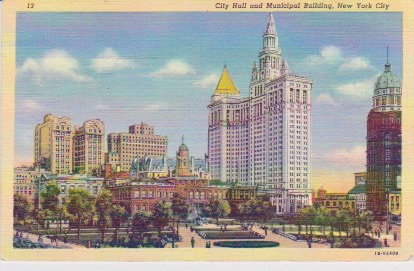
It’s fortunate that I saved my mother’s albums of photos and postcards she collected in her teens and 20s. They gave me a look at some of the trips she took.

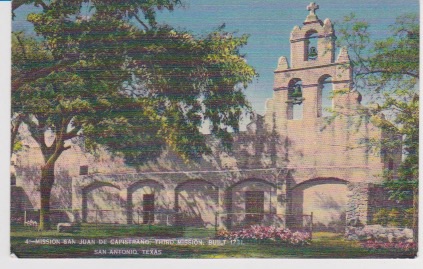
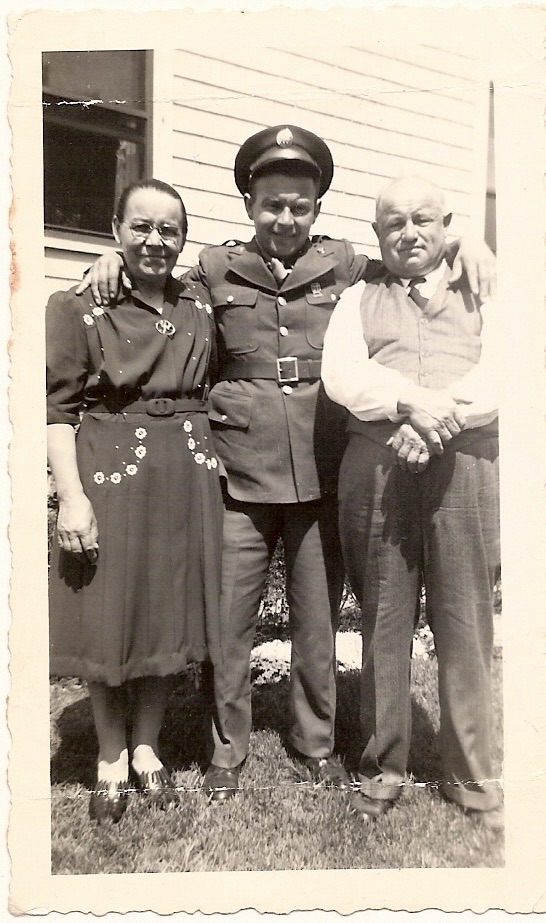
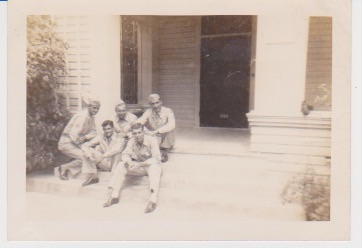
The first extensive trip she took, along with her sister Tootsie, was to San Antonio Texas in 1943 to visit their brother Connie. Connie was stationed at Fort Sam Houston, arriving sometime in May of 1943.

It will be no surprise to anyone in our family that he was in the Quartermaster Corps of the Army, which was in charge of food and clothing, and specifically the Bakery Company. He was working at Hellman’s Bakery in Wallingford when he enlisted and after he returned, as well as owning a bakery for some years.

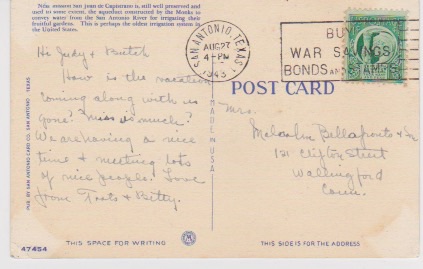
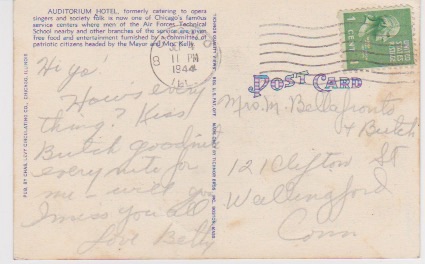
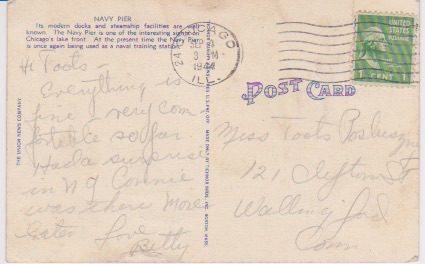
Betty and Toots started off in August of 1943 most likely taking the trolley to New Haven and a train to New York. I love that postcards were the mode of communication!
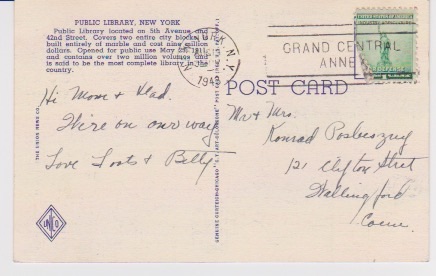

They stopped in St. Louis Missouri from Thursday until their next train departed on Sunday. I wonder how much sightseeing they did!
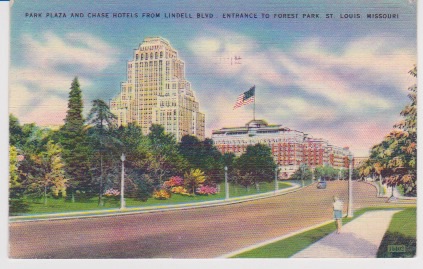
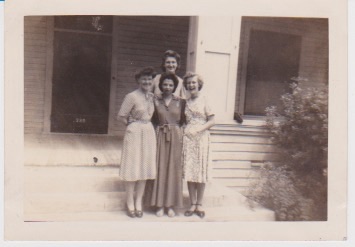
There were in San Antonio by August 28th and visited with Connie, saw the sites of the city and met many people on the way and in San Antonio. The ladies with my mother and aunt in the picture are spouses of Connie’s friends. On the way is always more fun than the trip home, so there are no postcards from their way home, but they made it back safely.
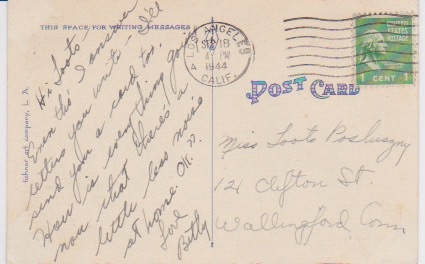
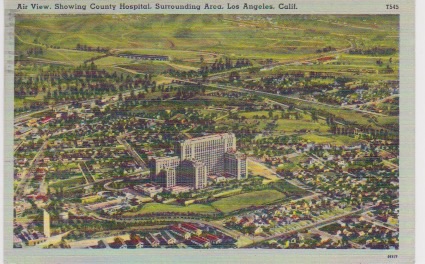
Betty took another trip the following year, in September 1944, to Los Angeles California to visit with her Tante Lizzie and Uncle Bernard Weiss. They had been living there since 1935. Bernard worked as a “brush painter” at a movie studio and although no occupation is listed for Elizabeth in the 1940 census, family lore says they were domestic help (maid and chauffeur) for an family. When the family was on vacation for the summer Elizabeth and Ben would either drive east to visit family or travel to Europe to visit family. My mom saved the postcards they sent as they made their way to and from California!
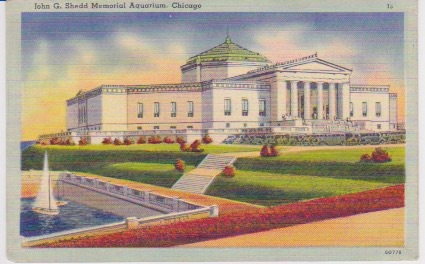
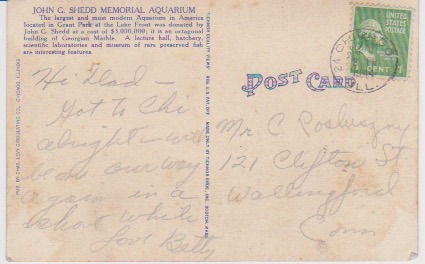
It’s touching that one of her cards was specifically to her father and sad to think he would be gone 3 months later. That’s a story for another time.

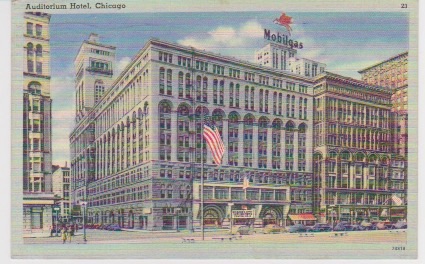
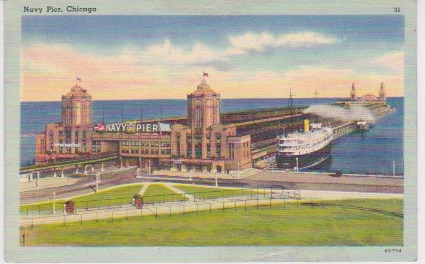
The postmarks from Chicago are September 4 and it might have taken another 2 to 4 days to travel to Los Angeles. The following two postcards are dated September 13th and 18th.
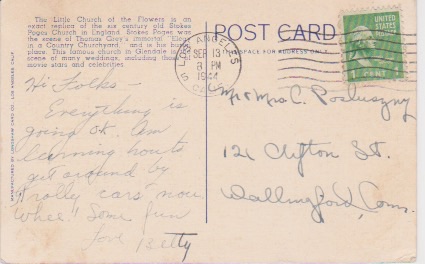
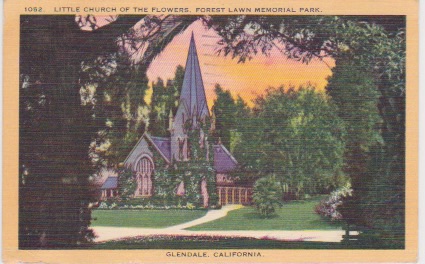
My mother was so good at labeling pictures but she didn’t always provide last names of her girlfriends! I’m guessing the girl with her is her cousin, Pauline Wirth who was the same age as Betty. I know they were fairly close, although she lived in Queens with her family, and her mother Mary, was Elizabeth and Julianna’s sister so the trip would make sense.

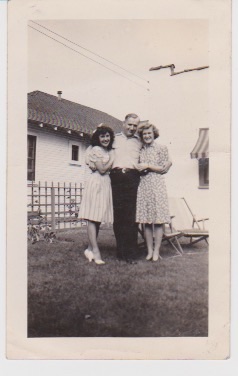
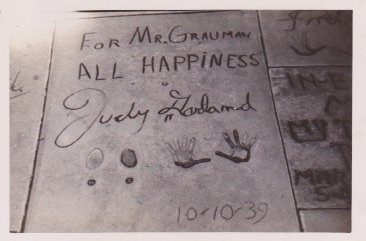
While there, they had a visit from some neighborhood boys, Bernard Orosz and Peter Kliarsky and visited Grauman’s Chinese Theater.
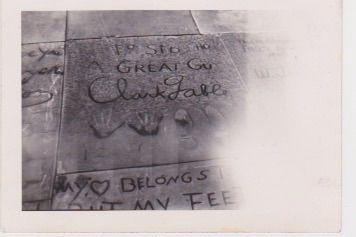
Again, there are no postcards on the trip home! But they appear to have made it home safely.

I would love to take a train across the country, traveling in a sleeper car or roommate to get away from people if I need to but I also know there are usually delays and that might make me crazy.
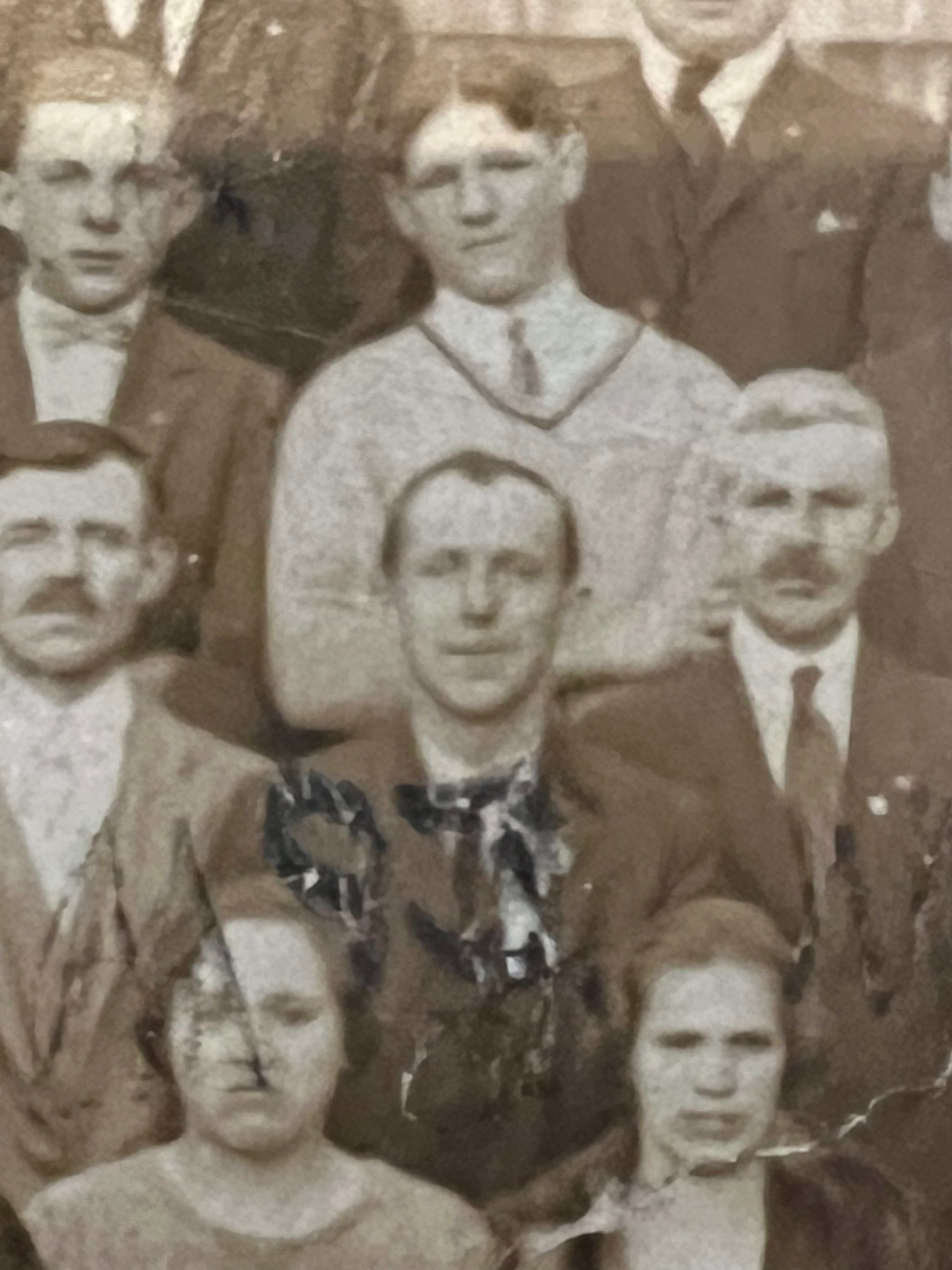
The Effects of War

The topic for Week 17 of 52 Ancestors in 52 Weeks is WAR.

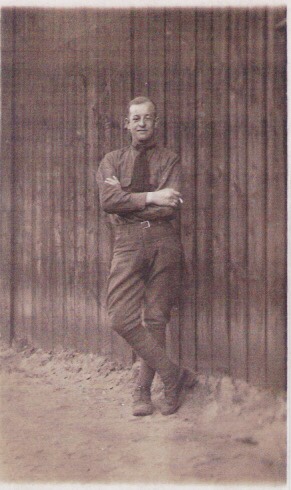
Over the life of this blog, I’ve talked about family members who have been in World War I like my paternal grandfather Charles Jakiela, and my Uncle Walt in World War II.

My grandmother’s brother Bronislaw Liro went BACK to Poland only a year or two before World War I broke out and managed to escape from Siberia!

My biological maternal grandfather, Jacob Engram, was in World War I as a member of the 49th Infantry out of New York. My lifelong maternal grandfather, Konrad Posluszny, didn’t serve in the war but he had four young children at home when the First World War broke out.

There was the aftermath of World War II as described by my grandfather’s brother Antoni in his letter to my dad and his siblings in the United States. “Even Helenka’s photo on a pony bothered them hanging on a wall.”

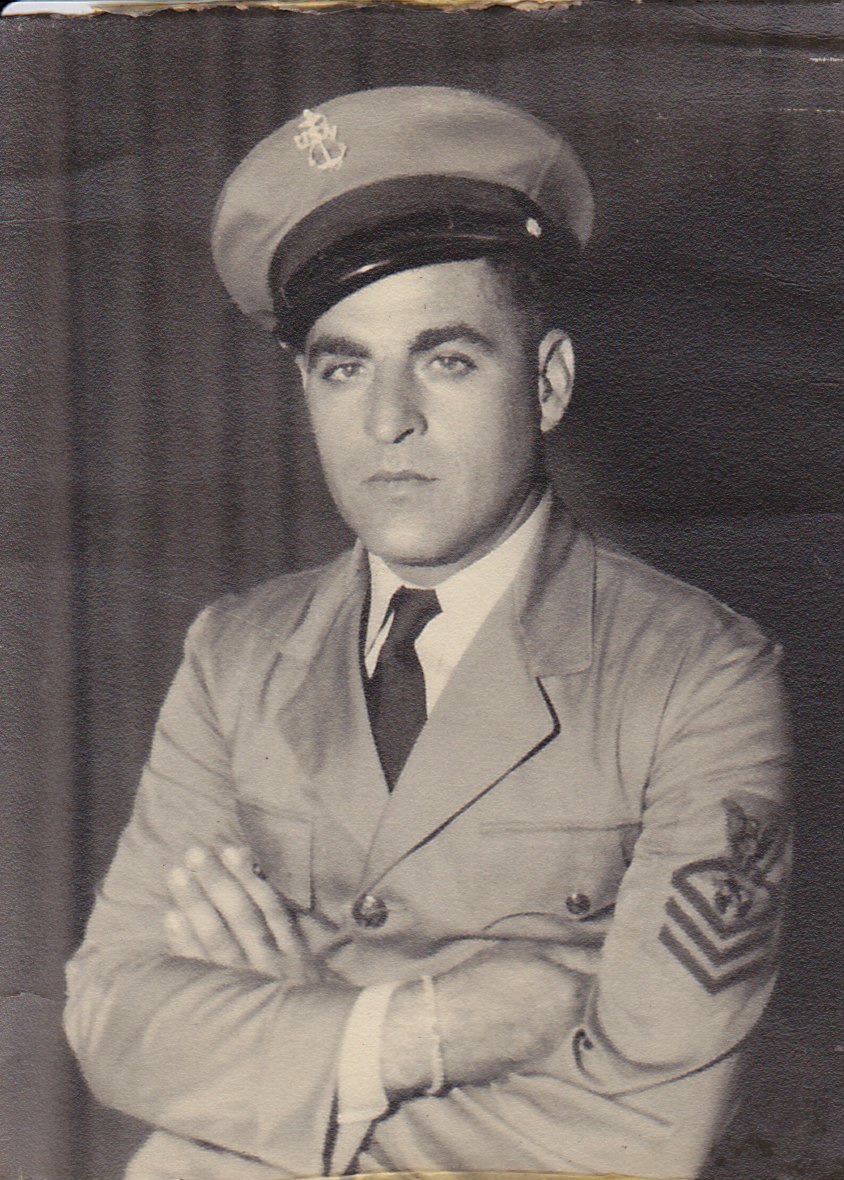
My mother’s brother, Connie, and her brother-in-law Mal both served in World War II. Connie was a cook in a San Antonio training camp. I have no records of him anywhere on the Fold3 website but in the videos from conversations with Aunt Judy, she said he was a cook and they had to pack up the kitchen when the fighting got close. The possibility of Connie going overseas was the family’s explanation when his father Konrad committed suicide in late December of 1944.

My husband’s dad Harold, uncle Ronald, and his step-dad Paul were all in the Korean War. Harold was a cook and Paul was in the motor pool in Korea. Ronald was in a tank during his time in Korea and it was a time that had a lifelong effect on him.

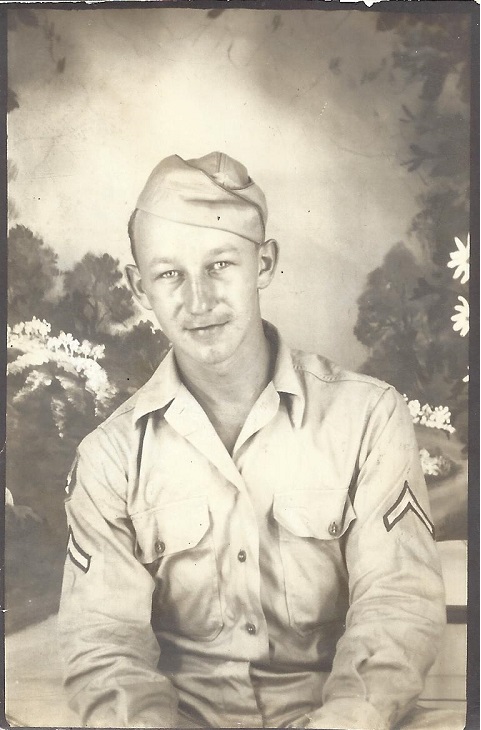
My dad, John, enjoyed his time overseas. He enlisted in February of 1943 in the Army/Air Force and headed overseas to Suffolk England. He talked very fondly of his time there at an airfield base and I think it was because he could leave home. He was living with his oldest brother, Steve, Steve’s wife, their two young sons, and John’s sister, Helen. I know he was grateful that he had a home, but I think it was a little crowded! He recalled to my sisters and me that when it was time to board the train to head off, parents and sons were crying. His only thought was, “This is an adventure!”. He volunteered for hatchman duty on the transport ship to England because it gave him privacy. At Great Ashfield Airforce Base near Stowmarket England, the location of the 385th Bombardment Group of the USAAF, he was a Corporal of the MPs on the base. He was back in the United States by September of 1945.

John Jakiela, Corporal Army Air Force Word War II

He had a picture of his squadron framed and hanging in his basement work area. We loved to take it from its spot and listen to his stories of the men in the picture.

He kept his address book of local friends and their war addresses along with the addresses of people he met while in the service. I have it now and like to flip through it to look at the various names.

He had a few Suffolk locals listed in there. One is Joyce Filby of Finningham England, who I think was his girlfriend while he was there. Another is the Hammond Family of Wetherden. I have a letter they wrote in November of 1947. Although the war was over for two years, they were still having difficulty getting food and were being strictly rationed for bread and potatoes. “Things are getting worse instead of better.” That sounds similar to Great Uncle Antoni’s letter from Poland in January of 1947!

Although some of the men had difficulties once they came back to the United States and their families, I’m grateful they all came back.

Heading To A New Life

Week 7 of 52 Ancestors in 52 Weeks is all about Immigration.

It’s impossible to focus on just one ancestor because they all left the same region between the ages of 4 and 51 between 1899 and 1912.

My maternal grandmother, Julianna Ingram in 1903 at 16 years old followed by one sister 4 years later and another sister 8 years after that.

My paternal grandfather Charles Jakiela in 1905 at 15 years old without any siblings ever following him. Traveling to Southington Connecticut and shortly after to Palmer Massachusetts to work in the textile mills.

Imagine sending your child, first on a (present day) 14 hour overland trip to get to the port of Bremen Germany. From there, they would board a steam ship to travel to New York and start a new life – without you. Neither Julianna or Charles ever returned.

You couldn’t just pick up a phone a find out how their trip was or are they getting enough sleep, and have they found a job yet?

My maternal grandfather Konrad Posluszny immigrated in 1900 at 16 years old. He had the benefit of uncles already in Yonkers, New York and all his brothers arrives in the next five years. His mother, step father, 2 sisters, and a half brother, arrive 7 years after he did. They were lucky to all be together in the “new country”.

My grandmother Julianna left behind her parents, and 2 sisters and a brother, one or two were born after she left. I wonder how affect they were by the first and second word wars because we do know how Charles’s family fared.

When my aunt passed away in 2015, I found a letter from 1947 in Polish from my paternal grandfather’s brother Antoni. A friend of a friend transcribed it for me and was taken aback by how resigned the author was to their fate.

I’m grateful that they all did immigrate!

Living Through The Day of Infamy

The topic for week 4 of 52 Ancestors in 52 Weeks, is “Witness to History” and for this there was no other story to tell but this one.

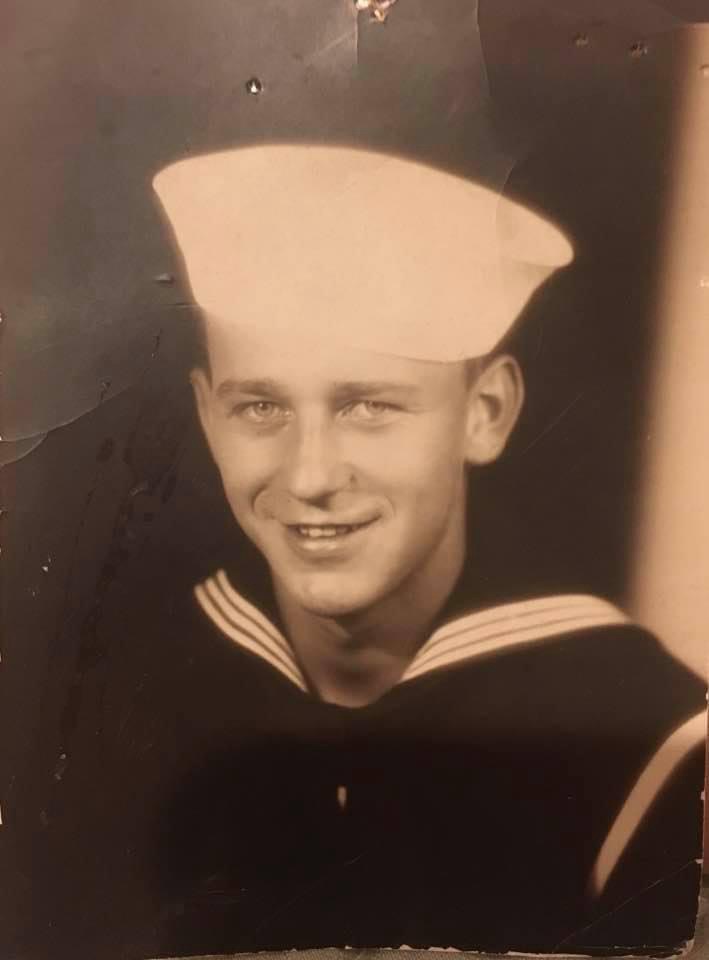
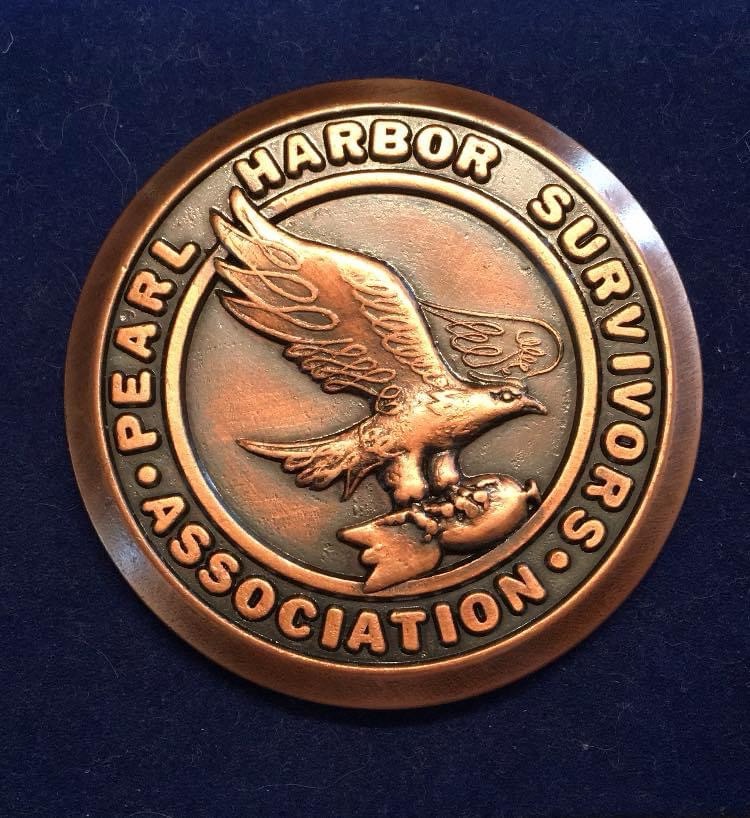
My uncle, Walt Jakiela was 19 years old, fresh out of Navy radio school as a seaman second class, and in Hawaii for only three weeks on the morning of December 7, 1941.

Walter Edward Jakiela 1941

As Walt walked out of the barracks, he noticed smoke billowing from burning sugar cane fields. He didn’t think much of it, and headed into the hanger.

Not long after that, the hanger began to shake and there were muffled sounds of exploding bombs as the Japanese bombers struck the ships in the harbor. He and his mates rushed out of the hanger to see the bombs and torpedoes dropping on the ships, which were like sitting ducks on the water. Fighters strafed the decks of the ships, and sailors were mowed down from above. At first, he thought the planes were Russian and then he saw the rising sun emblem of Japan.

There was a lull in the attack and he said that’s when he really became scared.

When the second wave hit, some of the soldiers had the presence of mind to set up machine gun batteries to shoot at the planes. Walt shot at quite a few but he didn’t think he shot any down.

He said the second wave was more like a clean up and the Japanese were picking off the targets that weren’t destroyed with the first wave. Planes which never got off the ground, barracks, ships, boats, and servicemen were shot at by planes flying through the thick smoke which Walt said made it feel like a tunnel, not knowing which way was which. All around were bodies of his fellow servicemen, injured or killed in the attack.

After the second attack, Walt helped with the treatment of the injured soldiers. He went along and marked the boots of the soldiers who had been given morphine injections. He and the rest of the survivors were asked to volunteer for mortuary duty but he chose instead to volunteer for the dangerous duty of flying out in search of Japanese planes. He just couldn’t handle seeing all the death.

“It changed my whole life” he said when speaking about his experience 50 years later.

When he spoke about the attack, he said it wasn’t exactly a surprise to the higher ups. They knew something was coming, they just didn’t know when.

He was a radio/gunner for U.S. Navy Patrol Squadron 23, which was made up of 12 patrol bomber seaplanes called “Catalinas”. They were used primarily for attacking submarines. His squadron was assigned to 12 hour daily search missions for over a week, but the men were never informed what they were searching for and the missions ended on December 6th.

Walt had joined the Navy in February of 1941 rather than be drafted into the Army and he stayed in the Navy for another 20 years. He saw the entirety of World War II as well as the Korean Conflict from various bases around the world.

Pearl Harbor wasn’t the only time he was a witness to history. In 1945, he was stationed at Saipan air base when the Enola Gay delivered the first atomic bomb on Hiroshima on August 6th. He said when the crew of the Enola Gay landed, its crew members said, “you can go home now.”

He earned two air medals with gold stars for his 50-plus missions throughout World War II, as well as the rank of chief petty officer, before his retirement in 1960.

After he retired from the Navy, he went to work for Grumman Aircraft company. He started as a field service representative, then a worker with the space program, and then a part of the program which developed the F-14 Tomcat fighter jet.

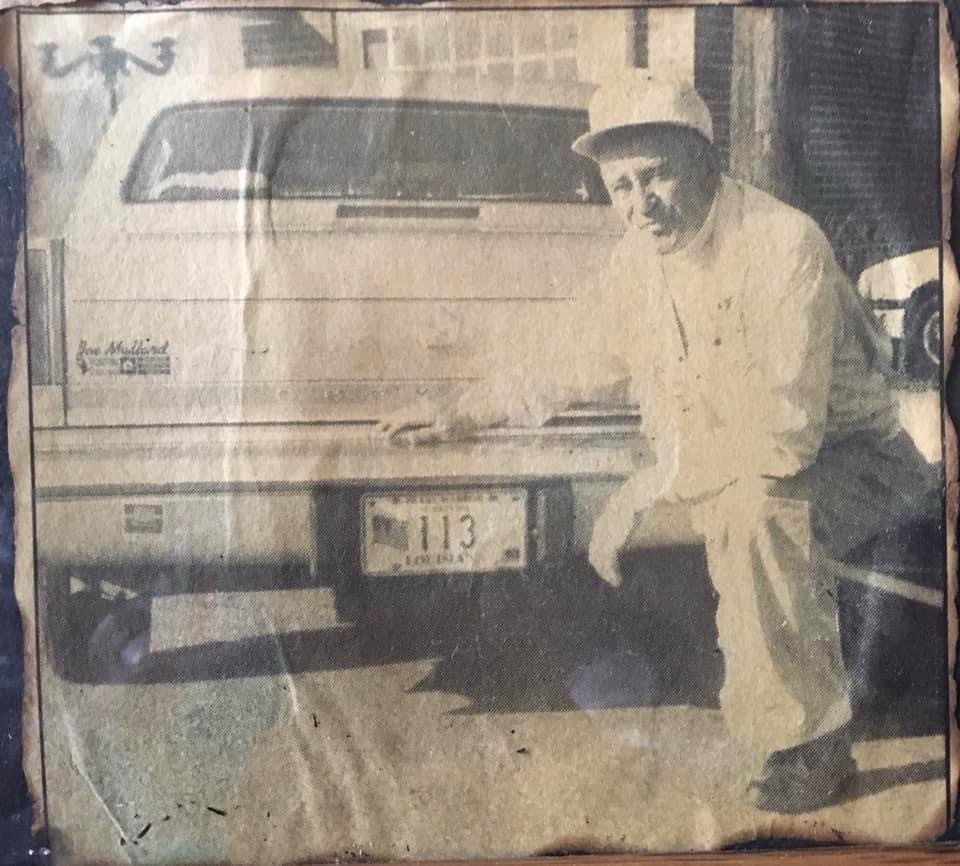
This information came from a newspaper article he sat for in 1991.

My Uncle Walt retired from Grumman in 1980 and he and my Aunt Eleanor moved to Ruston Louisiana to be near his older son. He died in 1997 at the age of 75.

I likely only met him a few times, but I wish I had known him. He was so young to experience what he did and I’m sure it did change his whole life. He’s a hero to me.