I wrote about the Mikula Family in April of 2024,and at the end, I said I would tell you about Walter and Stanley, the two oldest boys in the family.
Quick recap, Aniela Liro Mikula was my grandmother Antonia’s older sister. Aniela and her husband, Josef, immigrated to the United States in 1903. Walter was born in 1903, and Stanley in 1904, about 18 months apart.
The Mikula children and the Jakiela children were not similar in age at all. My Uncle Steve was born in 1913, and Uncle Eddie in 1915, and they were the two oldest. The other three Jakiela siblings were born in 1920, 1922, and 1924. So even before Helen was born in 1920, three Mikula boys had died, as well as Aniela. I still marvel that my grandfather and Uncle Steve were able to lean on Josef to take Helen and Walter when their mother died in 1927, and again in 1935 when my grandfather died. The stories from Auntie Helen and Uncle Eddie were invaluable to my research and I’m so thankful that I had those conversations with them.
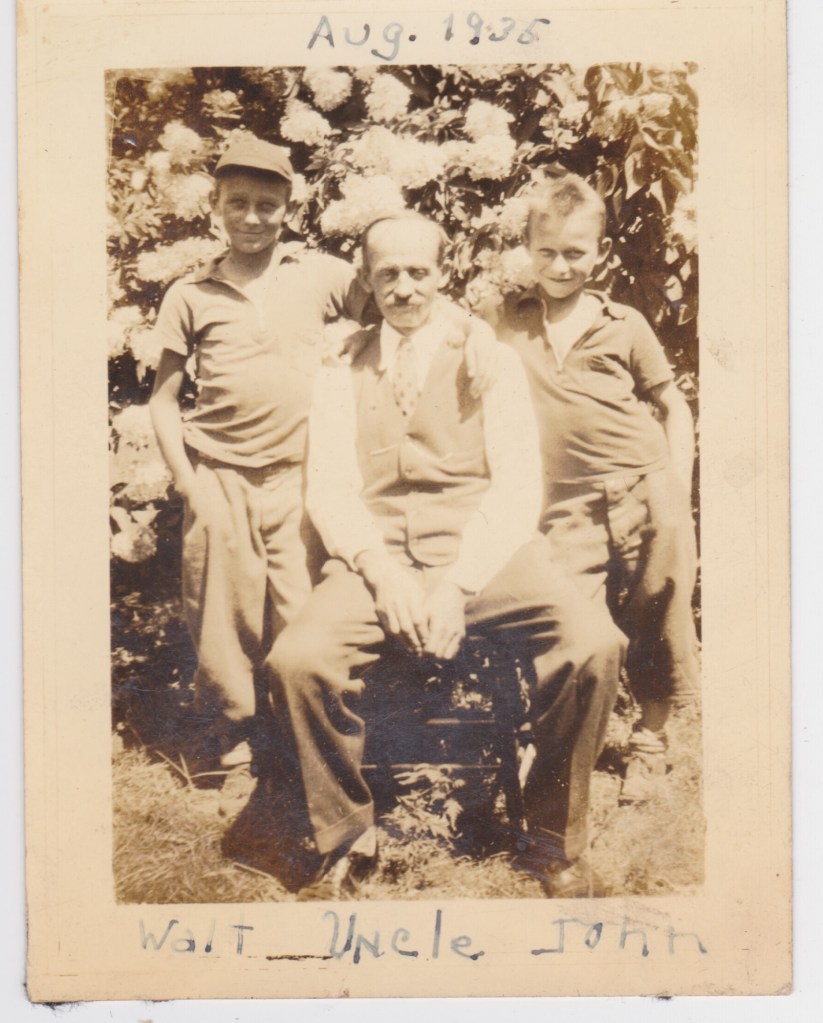
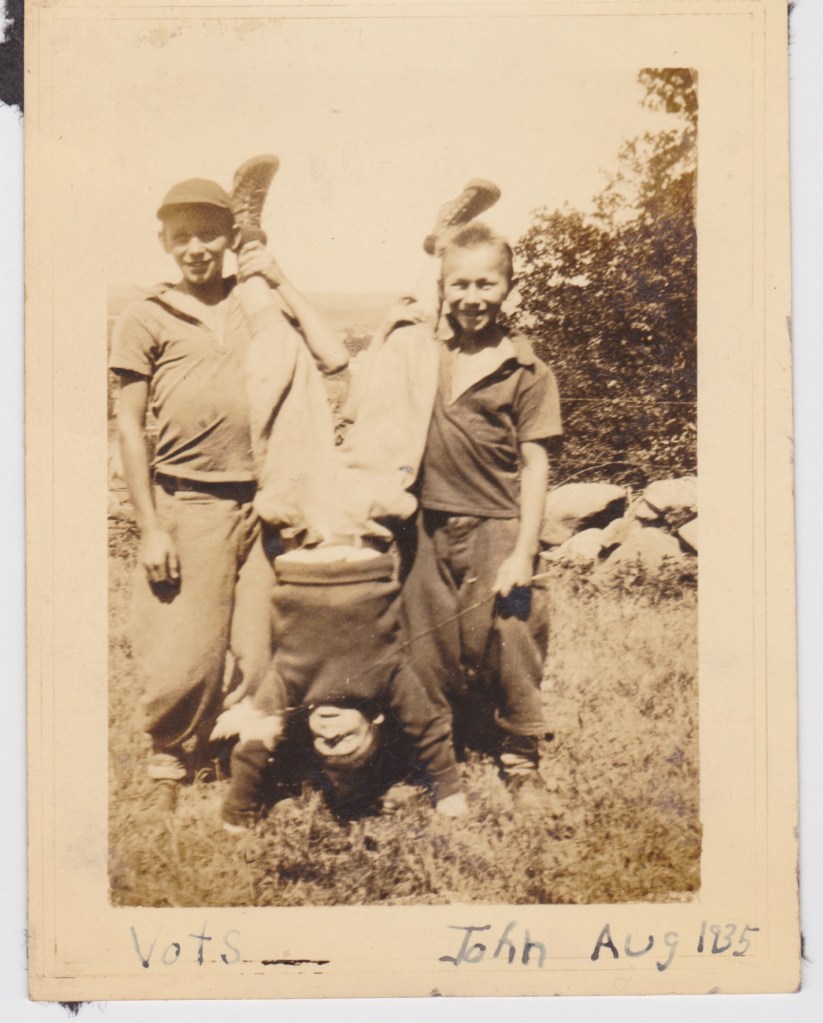
Walt, Uncle Joe, John 1935Walt and John with ?
My Auntie Helen told me that the Mikula brothers lived with their family in Wallingford for a while, but they were “trouble” and her brother Steve told them to leave.
John, Walter Mikula, Walter Jakiela– after 1935, location unknown.
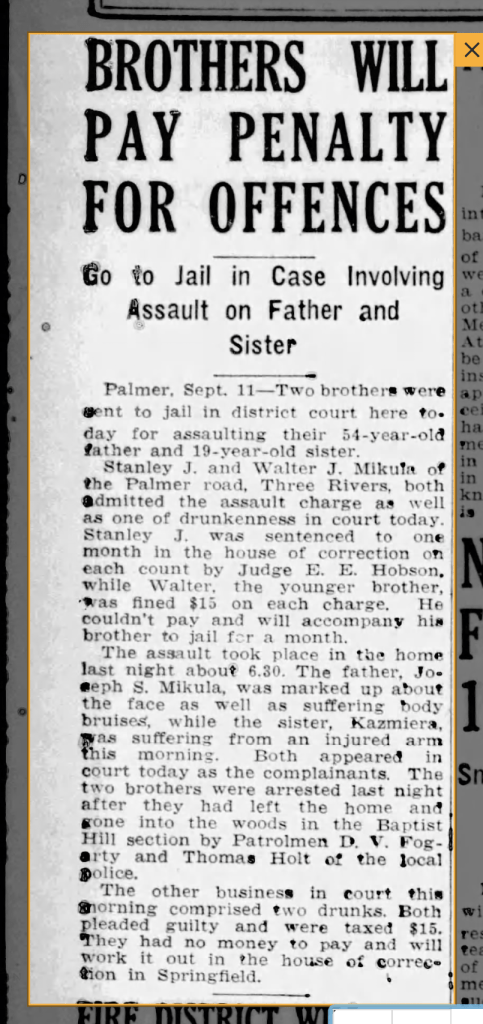
While searching Newspapers.com, I uncovered several newspaper articles recounting charges against Walter of drunkenness and disorderly conduct. Sometimes alone, and sometimes with Stanley. The most egregious charge was against both of them in September 1934 for drunkenness and assaulting their 54-year-old father and 19-year-old sister, Kazmiera. Just terrible! I found additional articles for Walter’s drunken escapades after that incident.
Walter and Stanley’s assault case
A copy of Walter’s 1942 Draft Card has six addresses written and crossed out. Two of those addresses are locations in Waterbury, Connecticut. Another Auntie Helen story was that Walter worked for the New Haven railroad and coming back from a wedding he was driving and killed someone. The family attached his wages so he quit his job and took jobs they “couldn’t keep track of”.
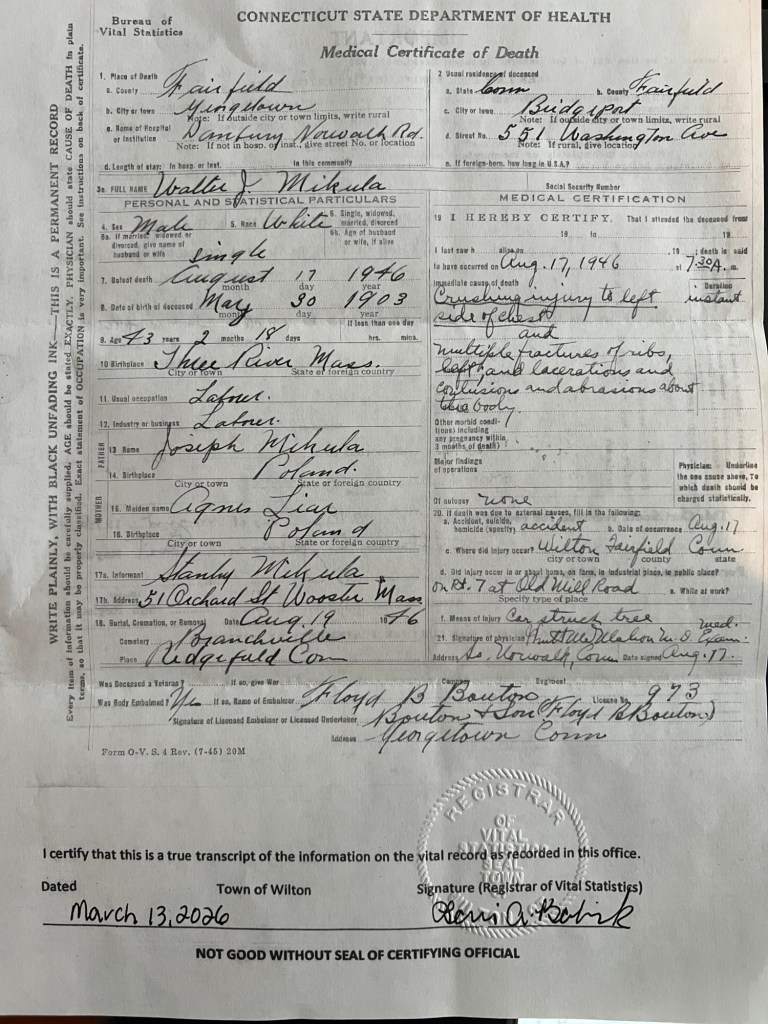
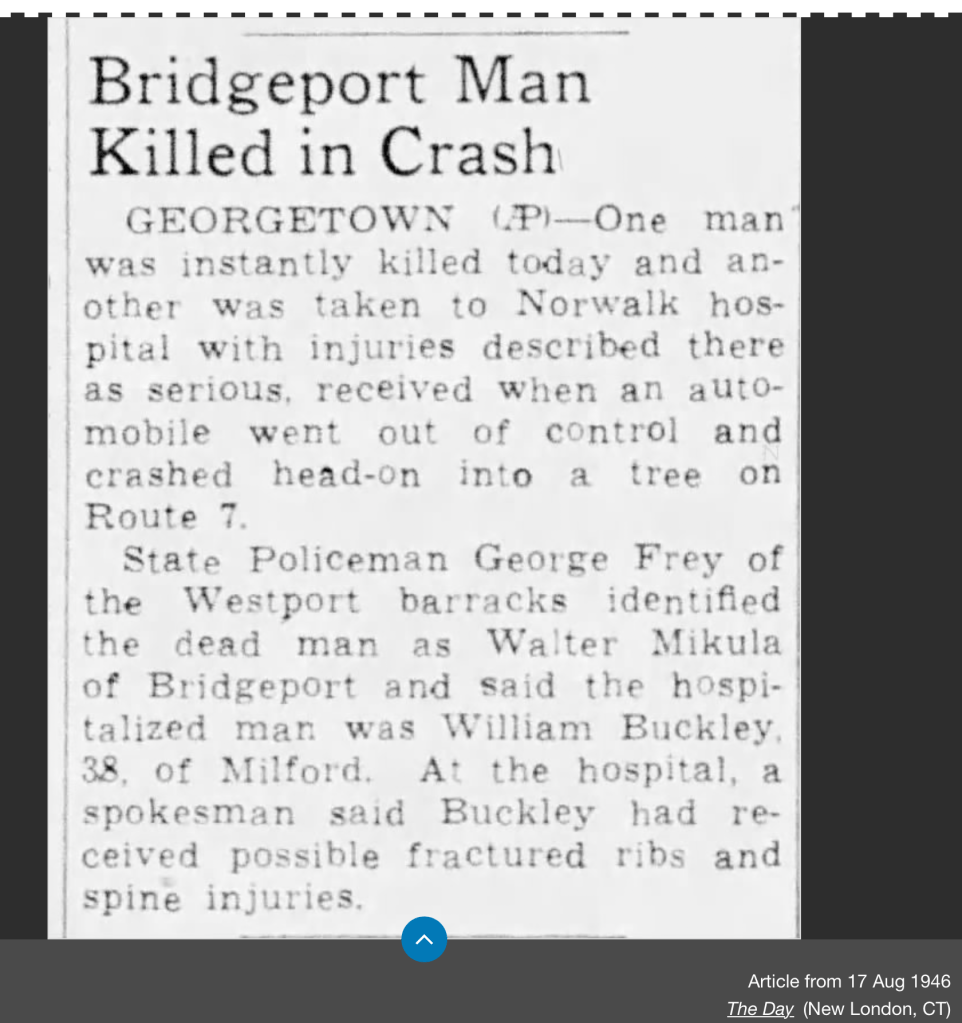
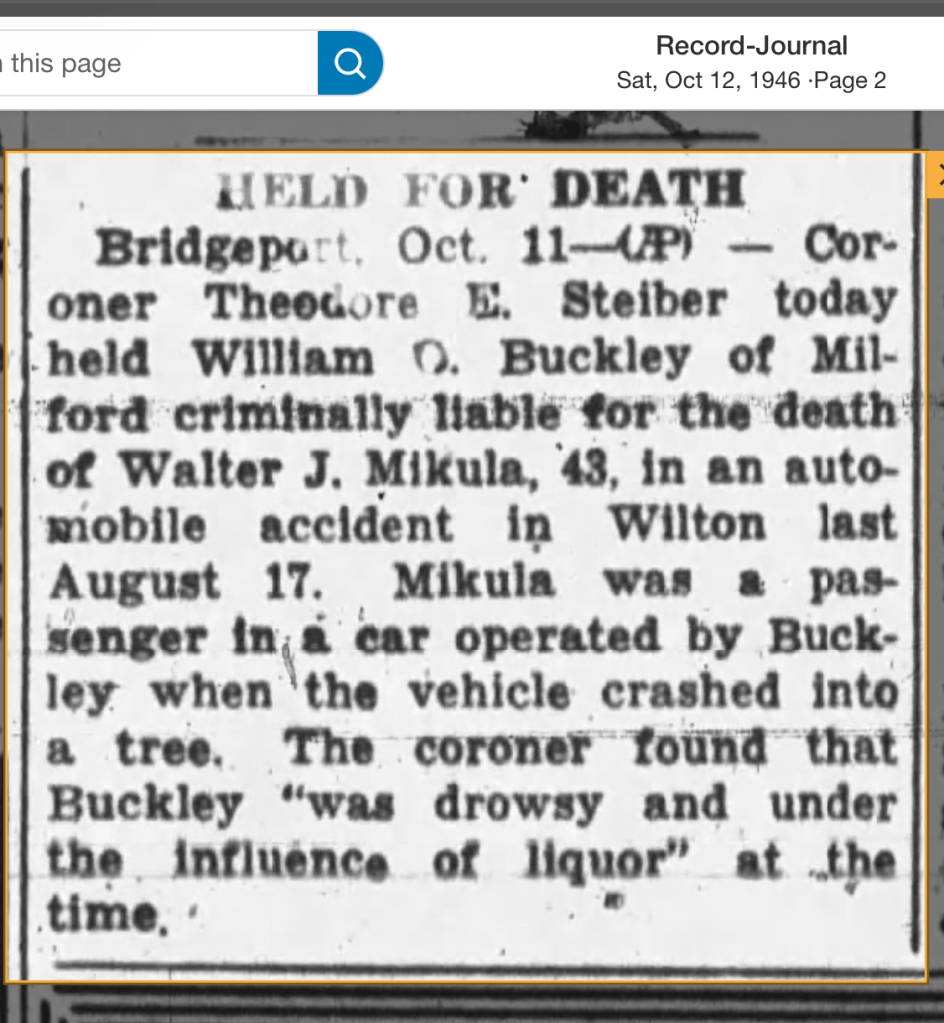
Well, karma took care of that. The last article I found was for a car accident that occurred on Route 7 in Georgetown, Connecticut, on August 17, 1946. A man by the name of Walter J. Mikula, age 43, a resident of Bridgeport, died instantly in a car accident when the car went out of control and crashed into a tree. The driver sustained injuries. Take note, the accident occurred at 7:30 am. A subsequent article in the Record-Journal in October said the driver was criminally liable for Walter’s death.
Death cert.Crash articleDriver liable in accident
I took the information from the articles, put on my Nancy Drew sleuthing cap, and tracked down where the death certificate would possibly be located. I’d forgotten there was even a Georgetown Connecticut! I made a call to the Wilton town clerk’s office and they had it there. $20 and I had it within the week.
A sad ending for a sad life.
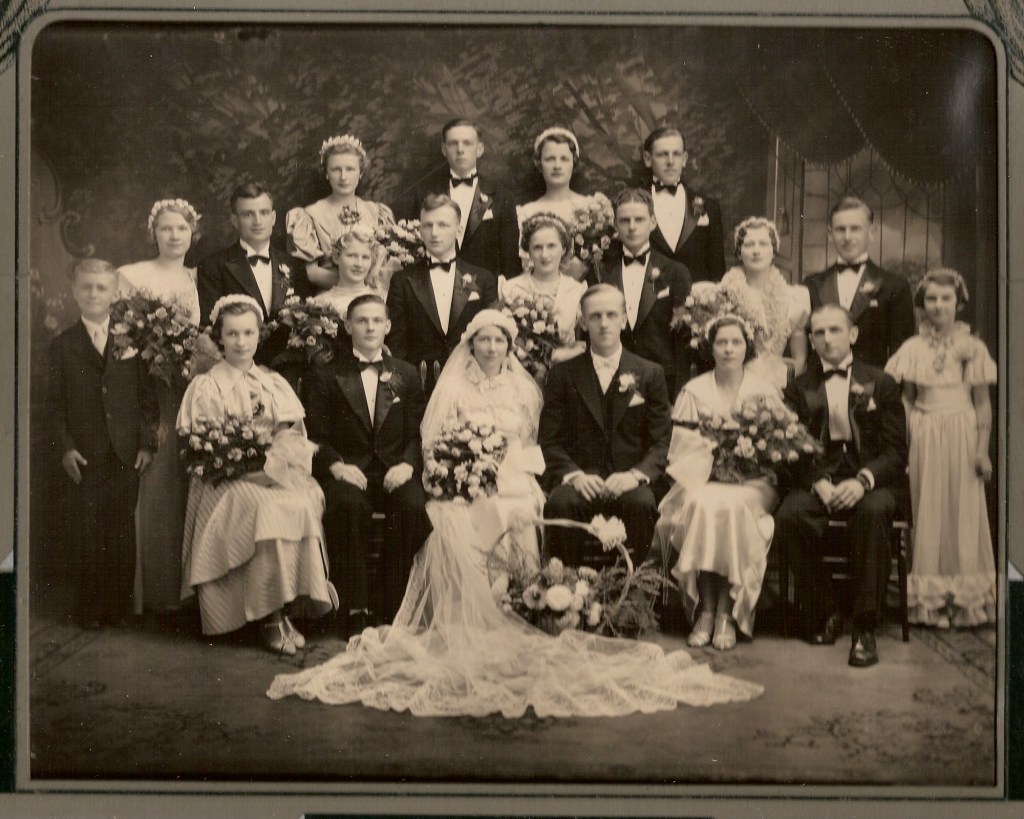
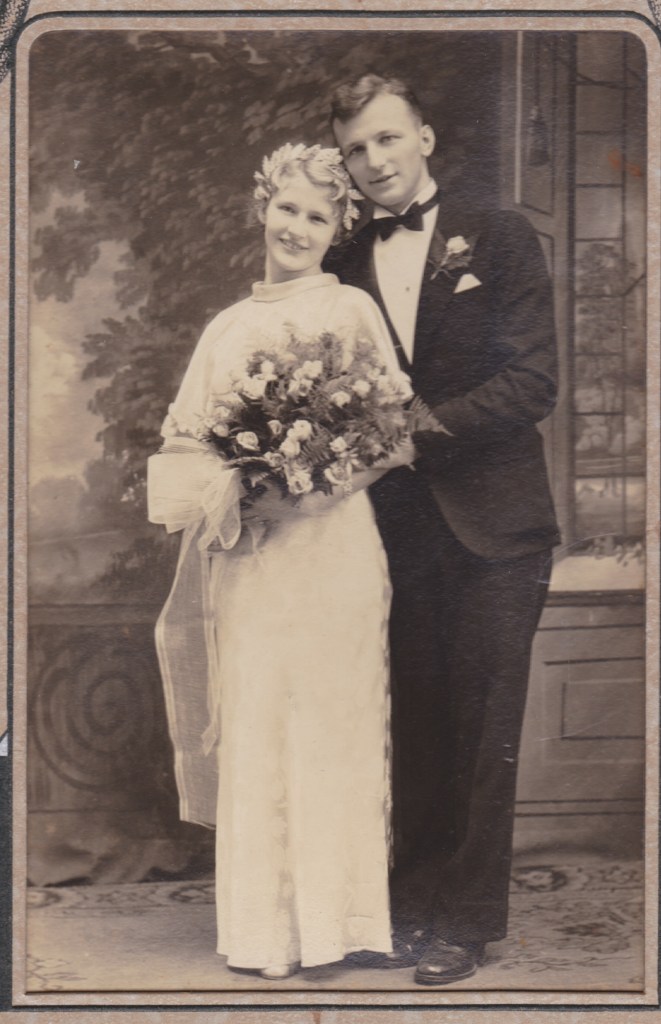
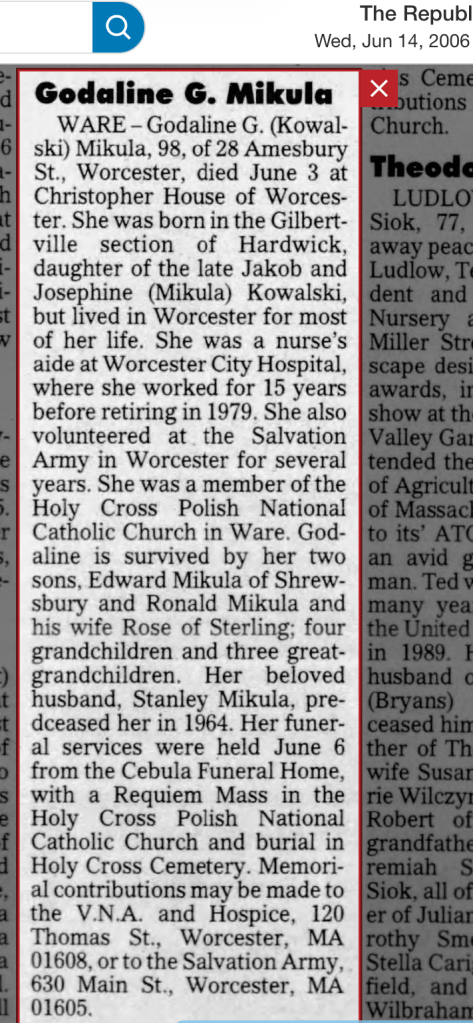
Stanley appeared to get his life together. In 1936, He married Godaline Kowalski. They had a son, Edward, born in 1938, and a son, Ronald, born in 1942. Stanley worked for American Steel and Wire Company for many years, and they lived in Worcester, Massachusetts.
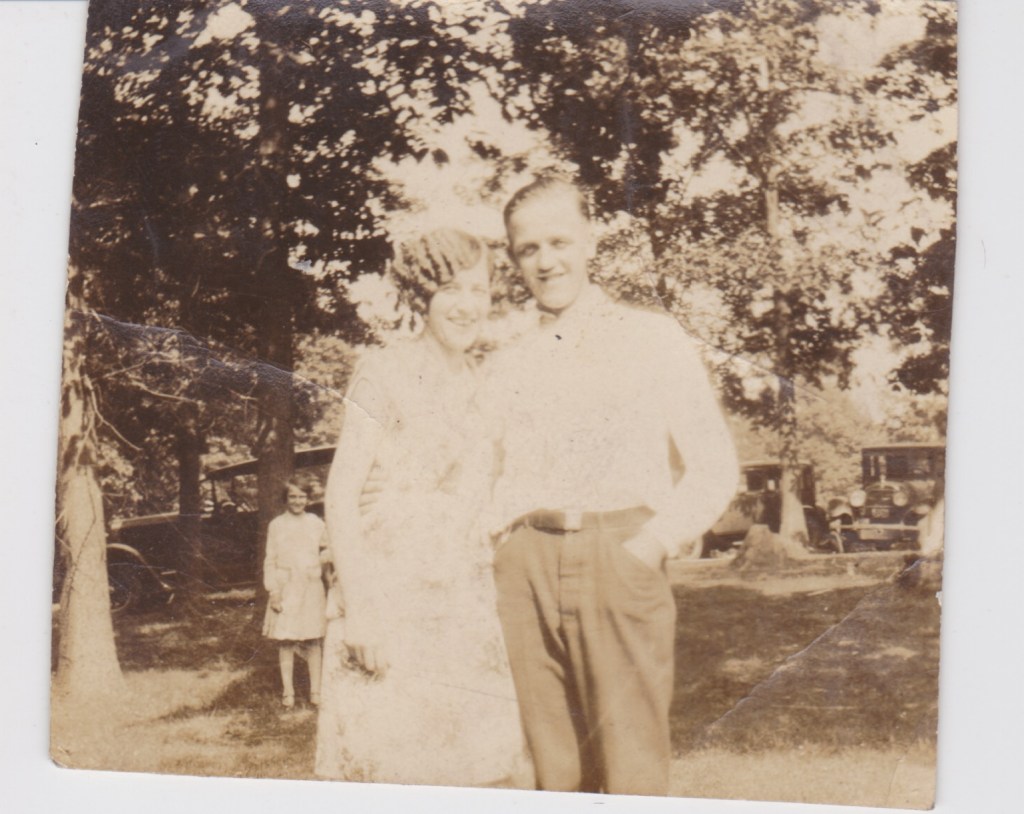
Godaline and Stanley 1936Godaline and Stanley date unknown in CTEddie Jakiela and bridesmaid 1936
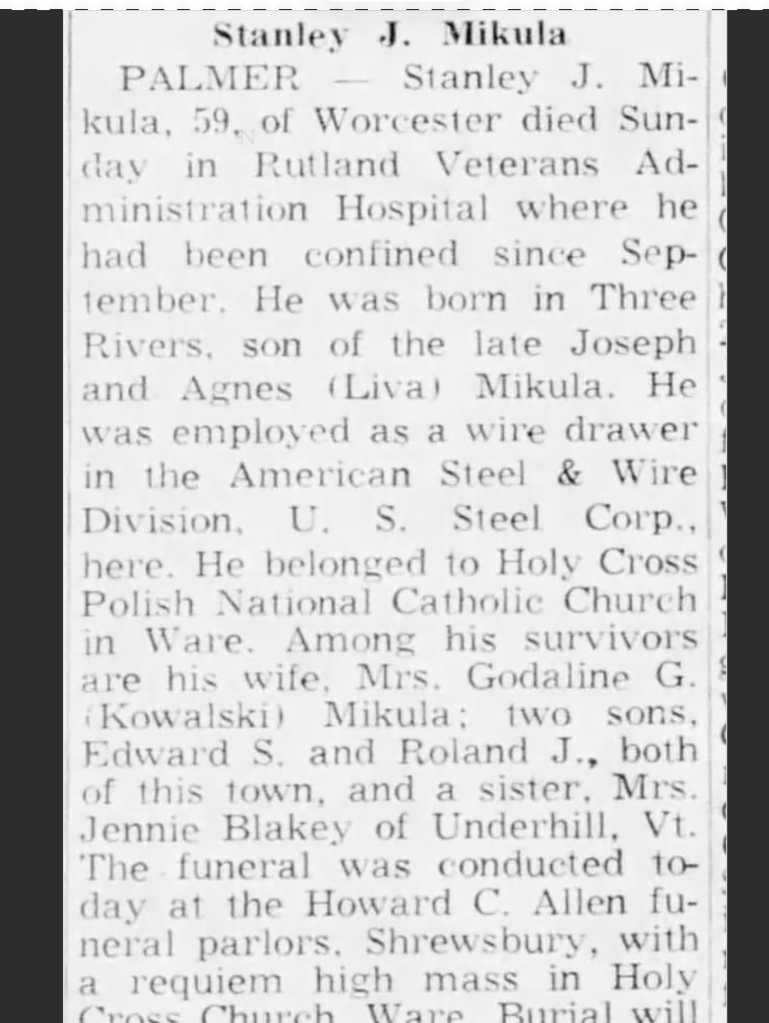
Stanley died at the VA Hospital in Rutland, Vermont, on January 19, 1964, at the age of 59. He had been confined there since September 1963. There is no record that he was a veteran of any war, so I’m not sure why he would have been there.
Stanley Mikula obituary
Early in my research journey, I sent out a lot of letters to names and addresses I found online. People, churches, cemeteries, anyone I could think of. I even dragged my sister and our kids up to the Palmer Library to go through their historical information.
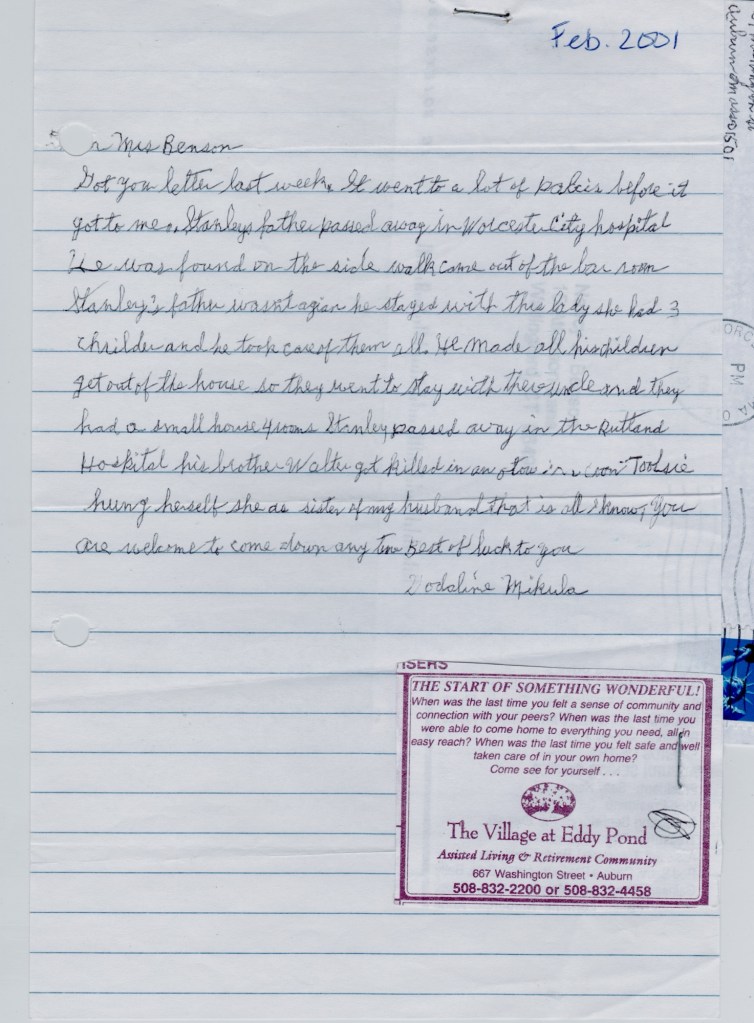
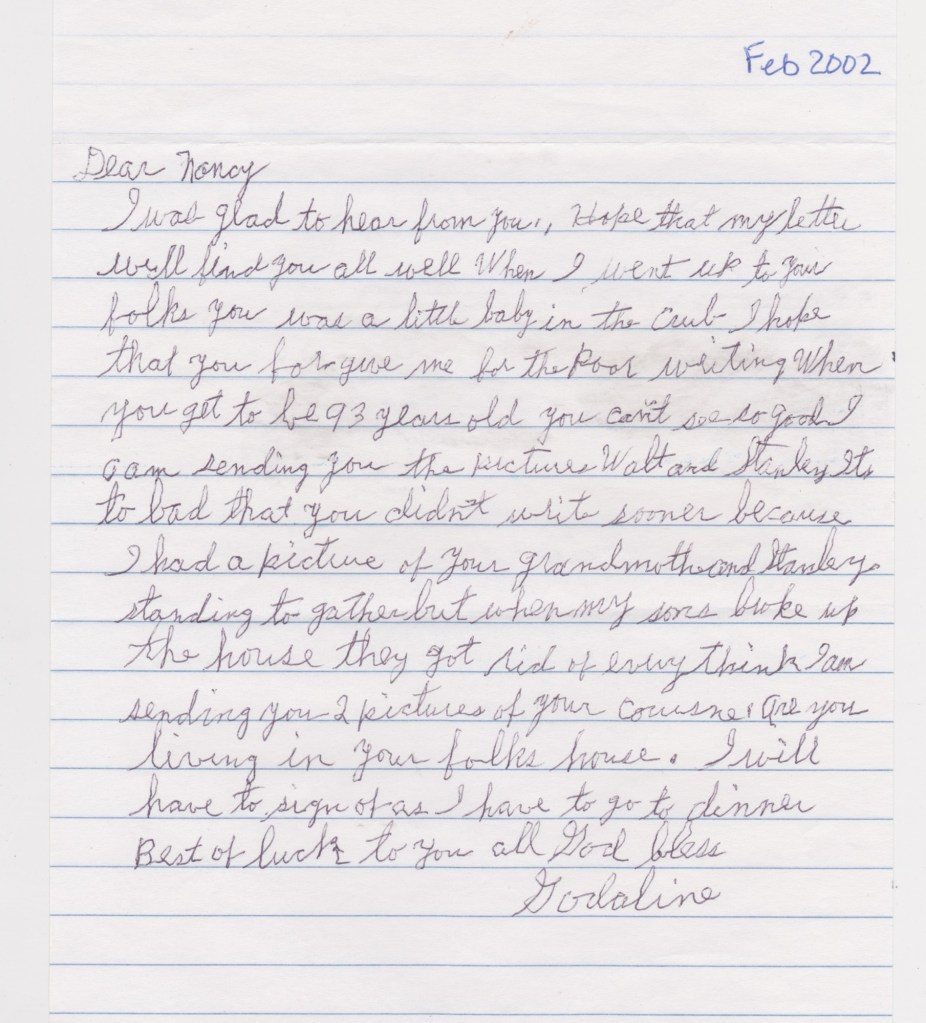
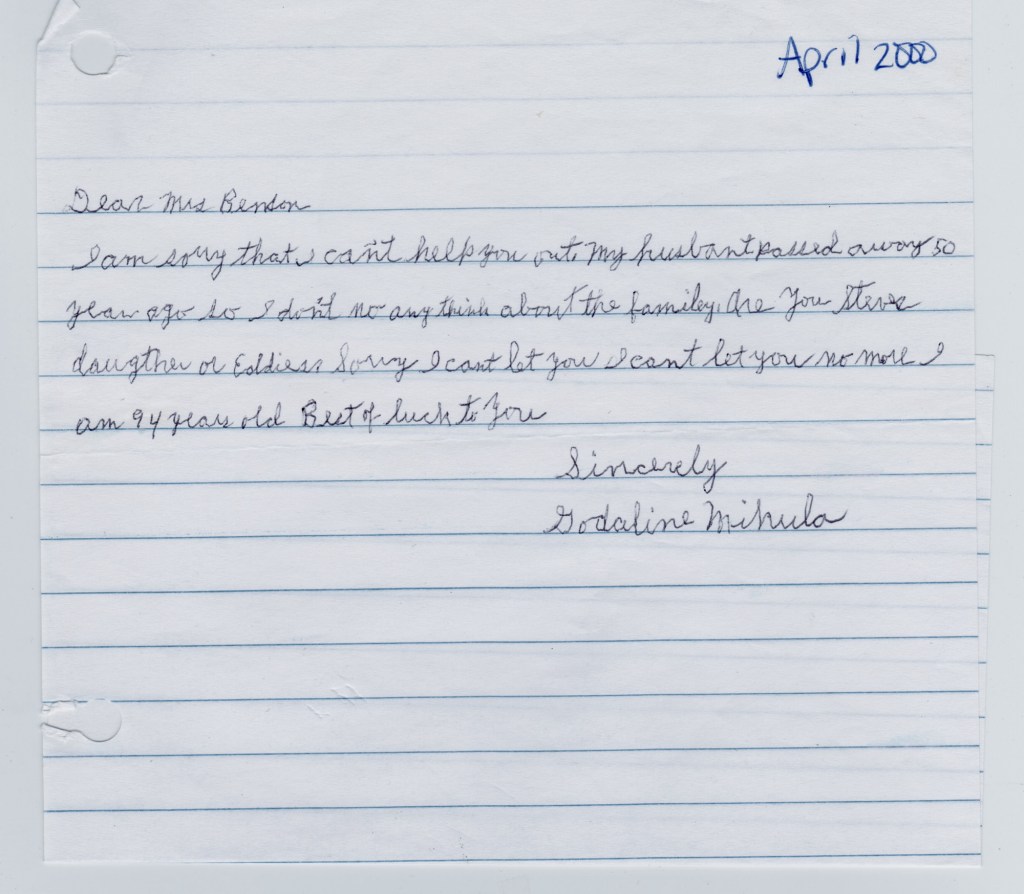
One letter in 2000 to Stanley Mikula somehow made it to Godaline who was now 94 and in a nursing home. She wrote back and we exchanged a few letters but unfortunately, I never went to visit her.
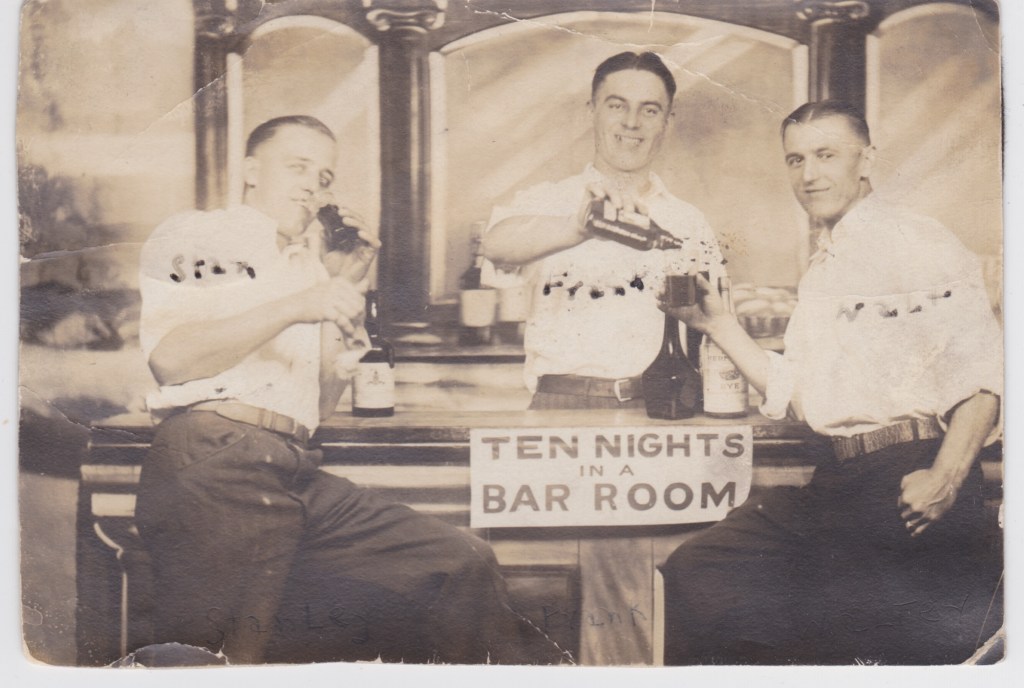
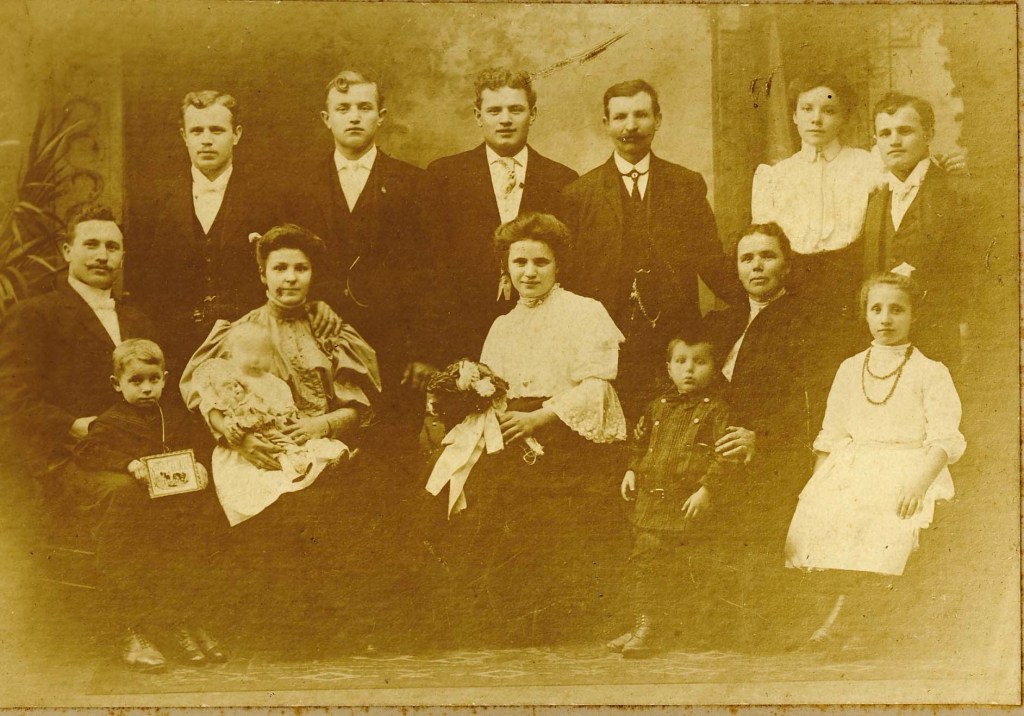
200120022000Stanley, Frank, Walt – photo from Godaline
Godaline passed away in 2006.
Godaline’s obituary
This is the end of the line for the family of Aniela and Joseph Mikula but I continue to try and connect to the DNA matches and will keep shaking those family trees!
Yesterday, I took a trip down memory lane of the people I researched and wrote about this past year. I’m proud of the information I found, stories I wrote, and living relatives I uncovered during my search. Here’s a review month by month….
January
I started the year with a couple of posts from the 52 Ancestors in 52 Weeks Challenge by Amy Johnson Crow. The first topic was “In the Beginning,” and I chose to write about my parents’ courtship and wedding. I had fun going through old photos of them from their wedding and trips with my aunt and uncle. Ancestry provided the high school yearbook pages and my mom’s collection of postcards showed us the sweetness in their relationship.
The second post was “Favorite Photo.” My favorite photo will always be the Posluszny Family photo that started this crazy research journey! I think it is in every post I wrote about the family this year. It’s probably time to frame it and put it on a wall.
The third post in January told the story of my great-uncle John Posluszny. At the end of December 2024, I wrote about solving the “mystery” of his death in 1942, so I really wanted to start my Posluszny series with his story. I connected with his granddaughter, Janine, in 2012, and she shared the photos of her father, Stanley with me. I enjoyed finding and sharing the newspaper articles with her. I currently have a message out to a great-granddaughter of John and hope I hear from her to make another family connection.
Next up was a little break from family with a post about a sampler completed in 1817 and found by my father in the attic of his paint store in the early 1980s. He held on to it always curious about where it came from. Unfortunately, I didn’t think about researching it until after he passed away in 2010. I still haven’t delivered it to the Portland Historical Society!
Another great uncle, Joseph Posluszny, was my next subject. I can hear to this day my Aunt Judy saying, “Uncle Joe Post”. I’ve worked with his great granddaughter on Ancestry for many years and the majority of pictures I have came from her. In September, I was contacted by one of Joseph’s granddaughters who lives in Connecticut about 45 minutes away. I look forward to getting to know her better and hearing her stories!
This post was born during my Posluszny research when I noticed, after 15 years of research, that my great grandmother, Caroline Straub is listed on the 1910 census as having given birth to 14 children with 8 of them at the time still living! I headed over to the amazing Geneteka website, started searching, and managed to find the records for five children who died either at birth or a very young age.
March
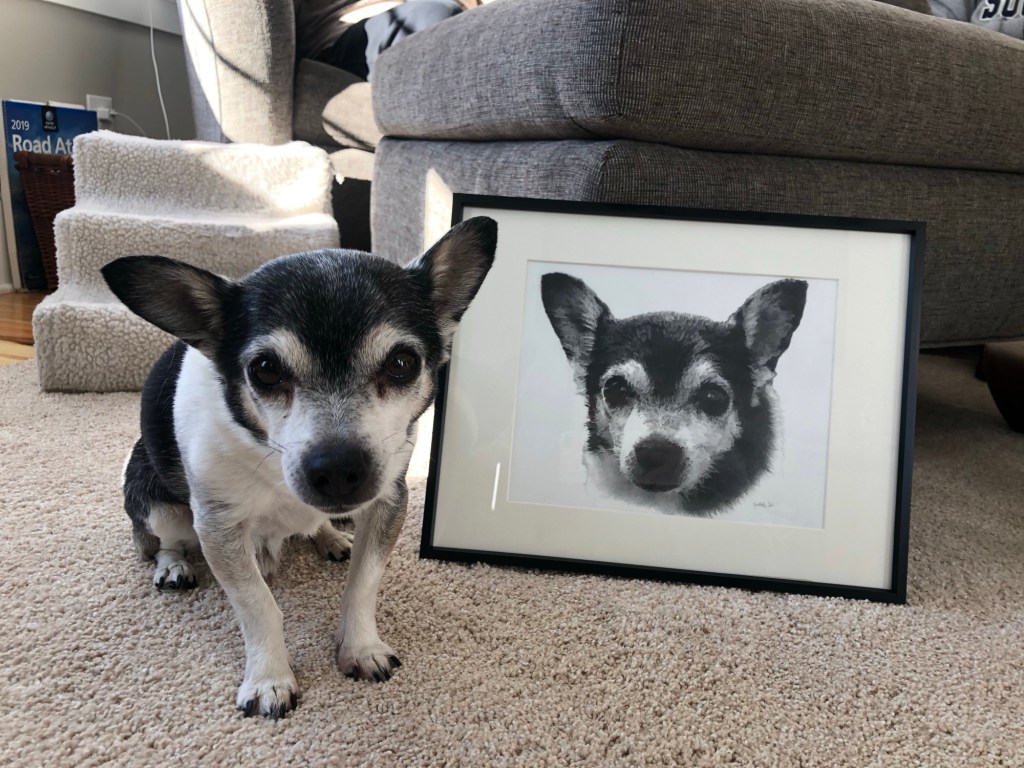
Early in March we said goodbye to our sweet chihuahua, Wally and late in March was the anniversary of my dad’s passing.
Wally with his portrait
April
The 98th anniversary of my grandmother’s passing was in early April and if you don’t know her story, you can read it here.
I wrote about my great uncle Frank Posluszny. He was a tough one over the years to find anything about because he was in a mental institution from the 1930 federal census to the 1940 census. I had very little information on the family and wasn’t sure where to look. But as the years go by, more information becomes available and I was able to find his great-granddaughter! We emailed back and forth and she actually knew him! She sent pictures which I included in his story.
Josephine, Frank, and Mildred Poslushny
May
I spent May working on my great uncle Charles Posluszny’s story. I posted once to check in to say I was working on him and at the end of the month, completed it. Once again, there are grandchildren and great grandchildren alive, but in this case, I don’t have a way to contact them.
June
June was busy with visiting relatives and a trip to Chicago so there were no posts in June.
July
In July I wrote about the sisters in the Posluszny family, Mary Posluszny Biega, and Elizabeth Posluszny Laçź. One who was well known and the other who disappeared without a trace.
August
I finally made it to the last of the Posluszny children, Walter Bonk, son of Caroline Straub and her second husband John Bonk. I knew all of his children and his grandchildren.
My second post was the result of a stranger’s request on Ancestry looking for “living relatives of Alfred Donroe”. He was my cousin in law’s father and he died in World War II. This person in France is working with citizens of Gouesnou France to create a permanent memorial to the soldiers and civilians who died there. I received a comment on there from my younger cousin, and we had a nice email conversation. He and his wife plan to go to France to see the monument.
September
The last quarter of the year I focused on my maternal grandfather and his family. Their lives were so entwined for many so years, that the first story takes you from Jacob and Katherine’s arrival in the United States through 1916. This was Part 1.
October
Engram Family Part 2 took place from 1916 through the 1930s. I became acquainted with a second cousin a few years ago and he sent a slew of family pictures. I also began searching on Newspapers(dot)com using family member’s names where I found Kitty and Louise playing basketball!
Later in the month, I wrote about Theresa, Katherine, and Louise from the 1930s through their lives. My half aunt Joanne shared photos with me as well as few letters Katherine wrote to Theresa’s daughter Irene. I’m grateful to Joanne for the information and the years of emails back and forth. I saved them all and finally printed them out and put them in order. I was overwhelmed by the amount of information that suddenly made sense!
November
Five posts in November! First up was the lives of Elizabeth and Hannah. Elizabeth had an interesting situation which deserved a post to explain it. It’s amazing what a person can find when they look hard enough, and have help from strangers on Ancestry! Thanks to Newspaper(dot)com again, I discovered a third cousin living about 20 minutes away!
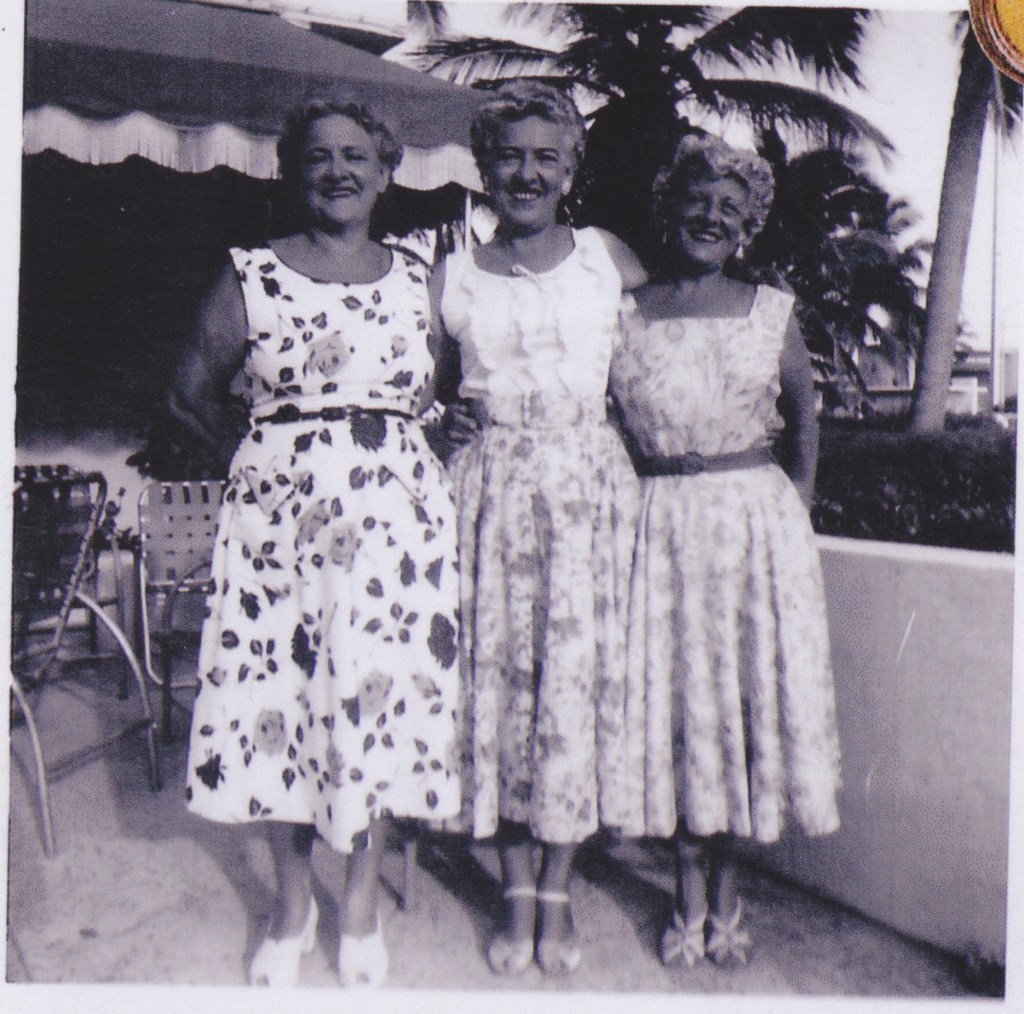
Elizabeth, Hannah, and Louise 1940s
In time for Veterans Day, I shared a post from June 2024 called The Effects of War about my grandfathers in World War I, and uncles in World War II.
Then it was back to the Engram Family with Jacob Sr.’s story. I wish I knew more about him!
My cousin, Brian, messaged me pictures of a letter Jacob Jr. wrote to his sister Theresa. The war was over and he was waiting to go home. When Brian and I got together during Thanksgiving week, we sifted through all the Engram pictures and letters and there were more letters from Jacob to his sisters. They were very interesting to read.
December
I wrapped the year up with a re-post of December 7, 1941, the story of my Uncle Walt during the attack on Pearl Harbor.
I rounded out the Engram family with the final story of my grandfather Jacob Jr. I learned so much about him from my Aunt Joanne’s emails that again, didn’t make sense until it was time to write his story.
Jacob Jr. early 1940s
And here we are – the end of the year! I’ve signed up again for the 52 Ancestors in 52 Weeks challenge and I will be looking through my family tree for new ancestors to tell you about!
I told you the story of the Ingram/Engram family beginning with Jacob Sr and his wife Katherine Duy until her death in 1916. She left behind her husband and five children ages 22 through 10. Part 2 covers the family through the 1930s.
Jacob Jr. and World War I
In between 1916 and 1920, Jacob Jr., 22 years old, registered for the armed services in June of 1917. He began his military service on April 1, 1918 with Company C of the 312th Infantry, part of the 78th Division. This was a unit known as the “Black Cat Division” which participated in combat during the final weeks of the war in November 1918 engaging in the offensive known as the Pursuit Toward Sedan (Google AI). They shipped out of Brooklyn New York on May 20, 1918 on the Port Melbourne. However, Jacob was NOT on that ship. The passenger list indicates that he and 4 other soldiers were AWOL and 4 others were in the base hospital.
Jacob prior to shipping out to France 1918
He was then attached to the 153rd Infantry Regiment which was activated for the war as part of the 39th Division. The soldiers in this regiment were used as replacements for soldiers in other units. These units were known as “Depot Brigades” and were established to receive, equip, and train new recruits for service before they were sent to the front lines. This lasted from May 19th through July 13th when he was transferred to Company I of the 49th Infantry and he shipped out of Brooklyn NY on the Regina D’Italia on July 18, 1918.
The primary purpose of 49th Infantry Regiment was to provide replacement troops for front-line combat units.
Jacob Military Service WWI
I don’t know whether Jacob endured any front line action while in France but it’s interesting to me that both he and my paternal grandfather, Charles Jakiela, both served in France in waning months of World War I.
Jacob Engram, France 1918-1919
He sailed home on the Imperator, a German ocean liner that had been seized after Germany’s surrender and used as a troop transport ship over three voyages returning over 25,000 troops, nurses and civilians to the United States. They landed in Hoboken New Jersey on July 13, 1919 and from there he traveled to Camp Merritt in New Jersey for his Honorable Discharge on July 23, 1919.
I’ve shared the family story, confirmed by my Aunt Judy, of my grandmother keeping the family Christmas tree up from December 1918 until his return. Was their affair going on during this time period? I don’t know and the discovery of Jacob as my biological grandfather wasn’t made until after she passed away. But I think if she or my Aunt Tootsie had an inkling of it, they would have spilled the beans!
Jacob went back home to the farm on the Pelham Parkway/Williamsbridge Road in the Bronx where we find them in the 1920 census. Jacob Sr is 57 and Jacob Jr is 24 and single. They are farming on leased land.
This is the point of his life, my grandmother’s life, really coincide because Jacob Jr. is my mother’s biological father. My grandparents and their 4 children were living in Yonkers NY according to the 1921 directory. At some point in 1921, they moved briefly to East Hampden Massachusetts, and then to New Britain Connecticut, where my mother was born on April 5, 1922. I will never know the circumstances surrounding this, but perhaps she found she was pregnant and decided it was time to get out of New York. The home where the family lived in New Britain was owned by one of her Ingram uncles and I’m still working on the concrete connection of Jacob Sr to this family.
By 1930, Jacob Jr is living in Flushing in Queens County New York. He is 34 years old, single and renting the home. Also living there is his sister, Elizabeth, her husband Albert Klein and their two children, Adeline, 8, and Robert, 3. His occupation is as a farmer of a “truck farm” and Albert is his assistant.
Location of 6919 Kisseana Blvd Flushing NY
It is possible that Jacob Sr was involved in this farm as Aunt Joanne, my mother’s half sister, told me the following – “My father made sure his father was cared for throughout his life. When my dad had his own farm in the late 20s…early 30s, his dad was involved. For a time my Grandpa was employed as a groundskeeper at Woodlawn Cemetery on the border of Bronx and Westchester. I’d say through the influence of my Dad.
It is also through this farm that Jacob Jr. met his wife, Anna Maria Augusta Winner. The Winner farm was adjacent to Jacob’s farm. Jacob and Anna were married on December 16, 1934 when Jacob was 39 and Anna was 24.
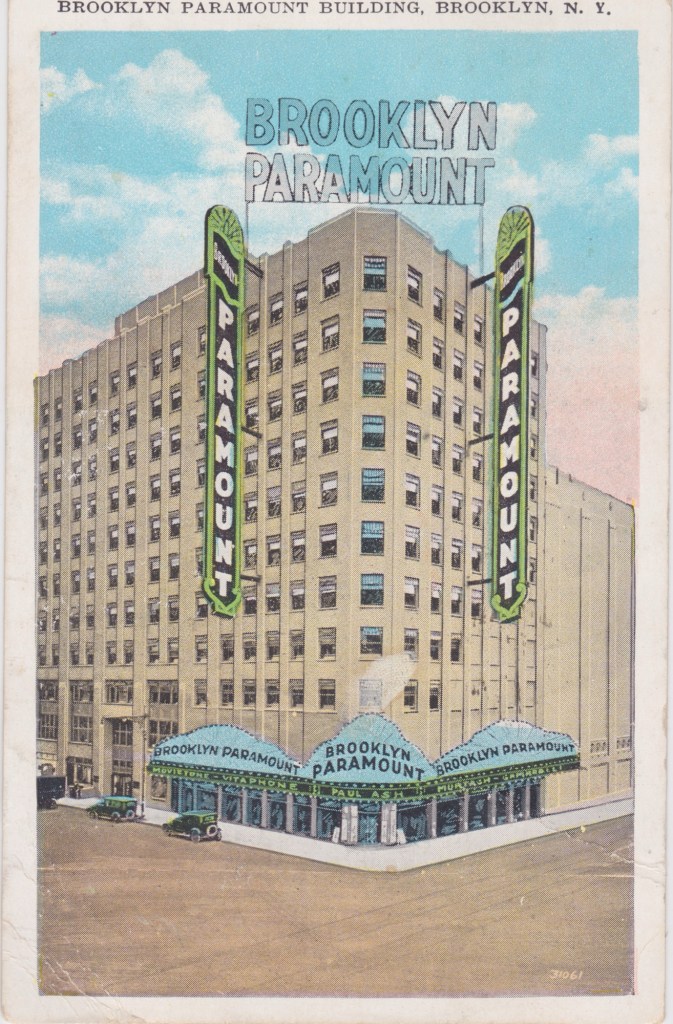
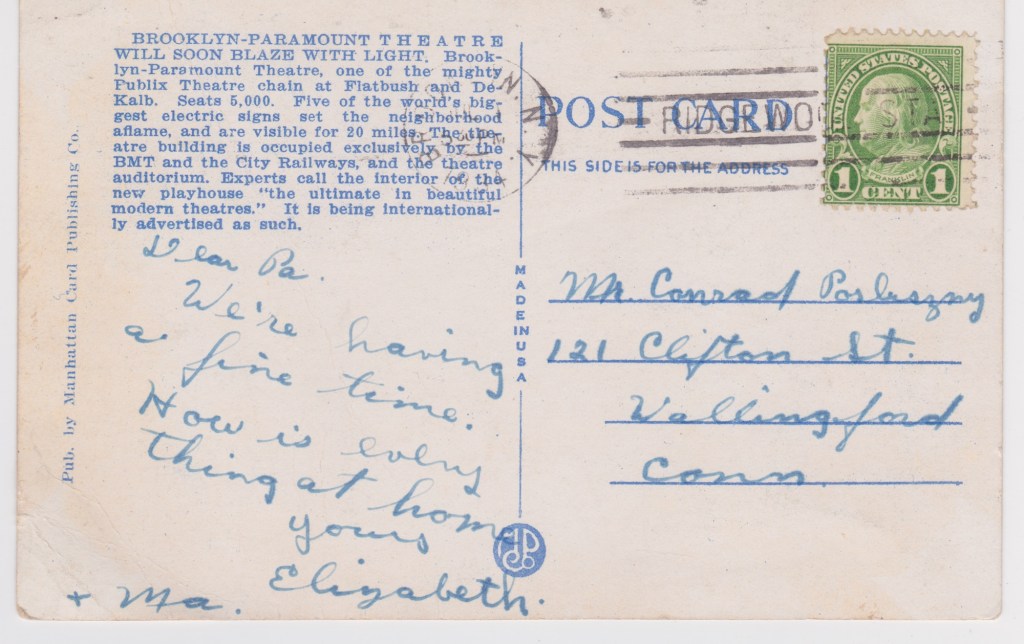
Something interesting – I have a postcard from, what looks like a postmark of 1934 sent from my mother when she would be 12 years old, to her “father” Konrad Posluszny, with a picture of the Paramount Theater in Brooklyn. She is with her mother. As hard as I try I can’t see the full date but I wonder if they were visiting Jacob and the family or would they have gone to Jacob and Anna’s wedding? Another thing we’ll never know.
The Sisters
Shortly after Katherine passed away, Theresa, Katherine, Elizabeth, Louise, and Hannah left their father, and brother Jacob, and moved to New York City. They show up in the 1920 Federal census living at 123 West 128th Street. Theresa is 26, a registered nurse, Katherine, 21, a sales lady, Elizabeth, 20, a telephone operator, Louise 12, a stenographer, and Hannah, 13 in school. I wonder what contact the daughters had with their father in the time after they left and during the time their brother was gone. According to Google AI, the approximate distance between the two locations is 9-10 miles. Factors affecting distance and travel would be the limited road network, paved versus unpaved roads, and mode of transportation.
Barbara Theresa / Tessa
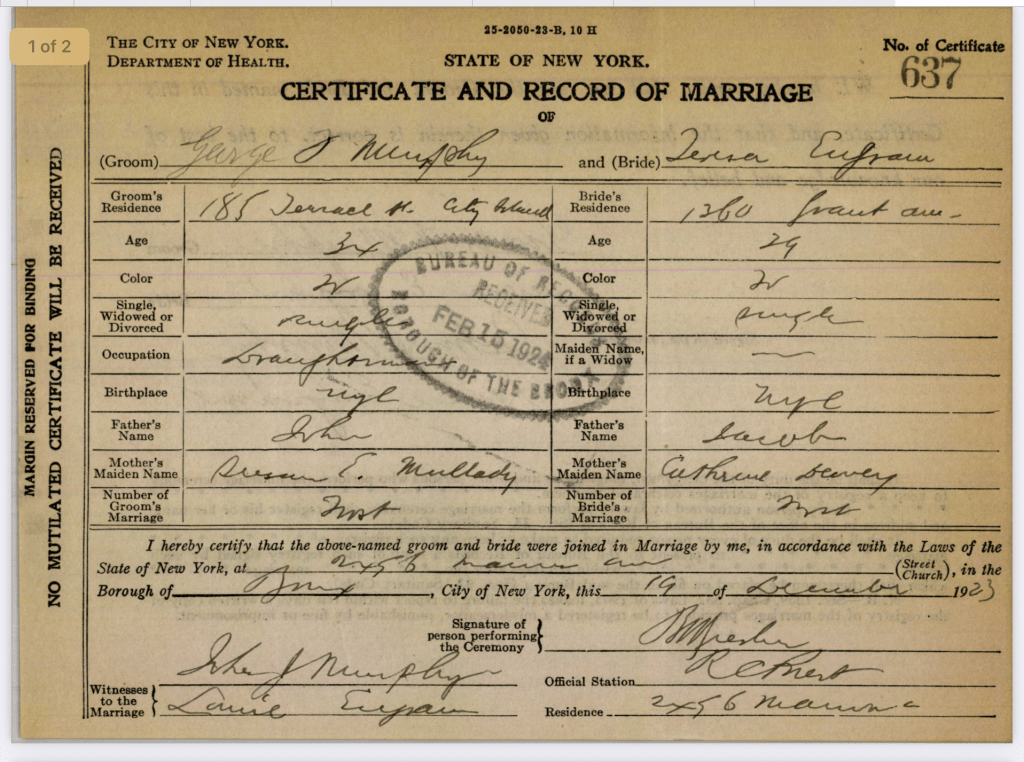
On December 18, 1923, in Bronx NY, Theresa, 29, known as Tessa, marries George Francis Murphy, 34 born in New York City NY. He is one of five sons of John Murphy and Susan McAliney of New York City and is a longshoreman.
Barbara/Teresa and George Murphy marriage license 1923
Louise is a witness to their marriage along with George’s brother John Jr. It’s fairly impossible to decipher the residence address but they did get married in the Bronx.
Theresa gives birth to a daughter Irene Theresa in May of 1927 and a daughter Rita Louise in April of 1931.
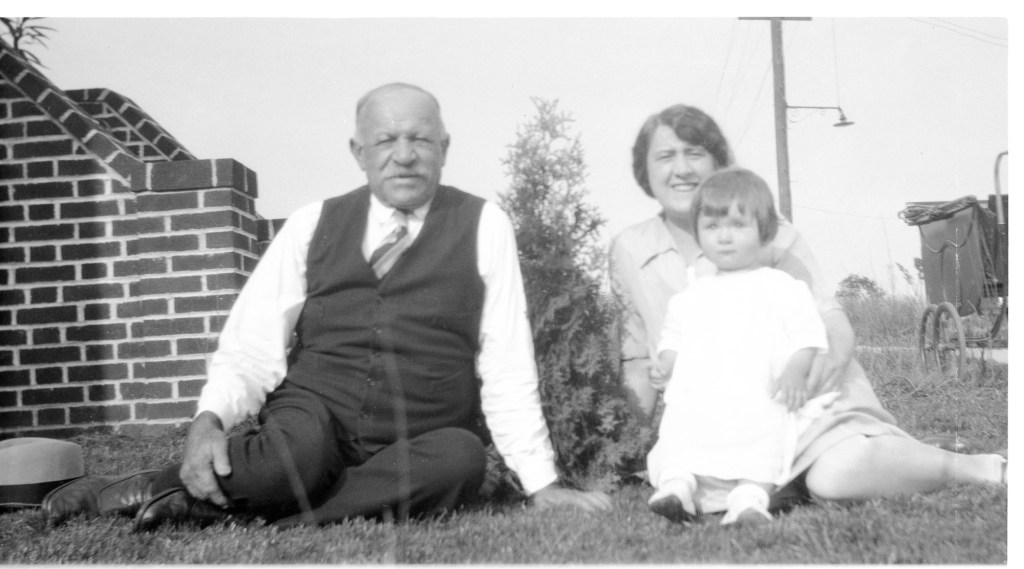
Jacob Sr with Theresaand Irene (abt 1929)
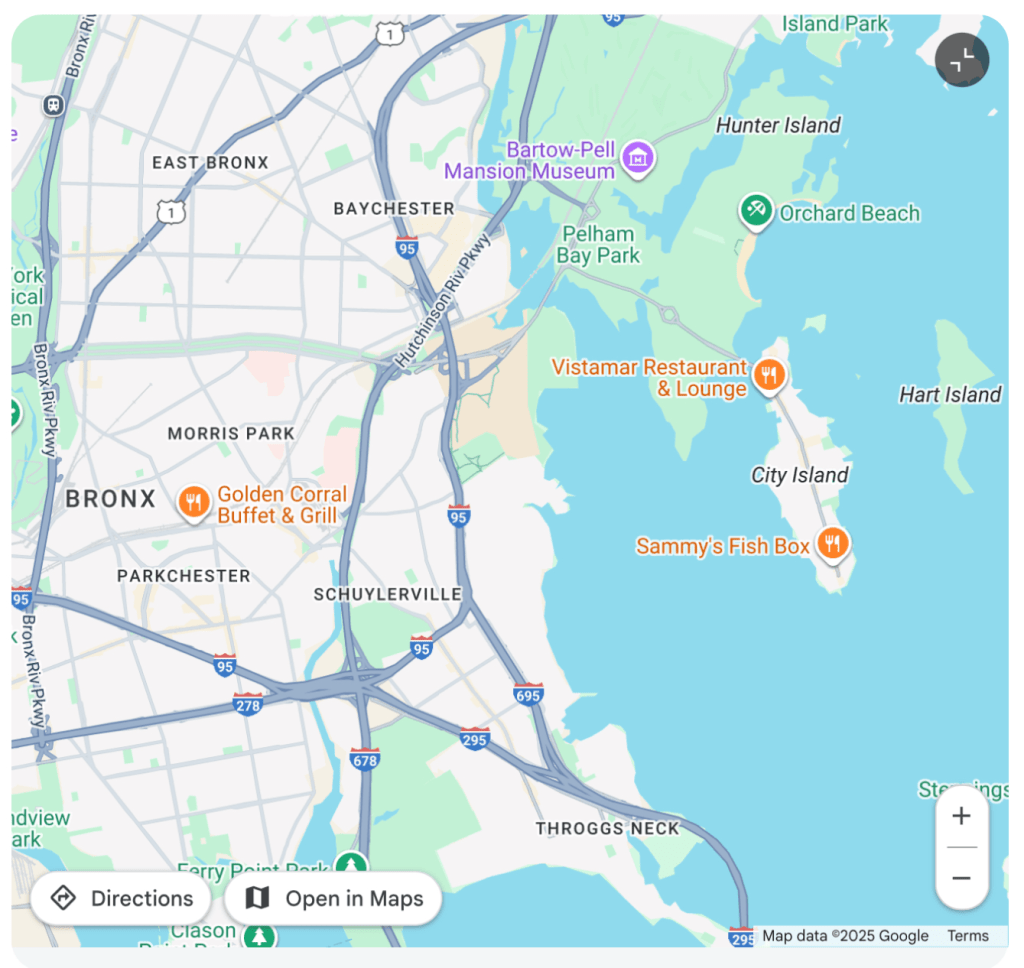
In the 1930 federal census, George, Theresa, and Irene, 3 years old are living at 59 Early Street in the Bronx and George is now a Draftsman for an electric company. Theresa is now “at home” and is no longer nursing. Although it’s listed “the Bronx”, they actually live on City Island. Mark and I were there for a wedding years ago!
City Island and The Bronx
Katherine and Louise
While Theresa was dating George Murphy and planning her wedding, Katherine and Louise were playing basketball! According to the Evening World on January 29, 1921, it was “a newly organized quintet composed of former high school girls” and was “desirous of booking games with any female team.”
February 23, 1922 Trenton Times
The team was the Manhattan A.C. Lassies and they played their games at the Manhattan Casino at 155th Street and 8th Avenue. I cannot find any information by Googling the name of this team, the information is from Newspapers(dot)com. They also played at the Central Casino at 154th and Macombe place. They were so popular they played a championship game at Madison Square Garden!
Unfortunately, the roster was never listed and the articles faded out by November of 1923.
Katherine/Kathryn/Kitty and Louise continued to live together and in the 1930 federal census they are on Walton Avenue in the Bronx. They are 32 and 28 and both stenographers. Katherine for the Aviation industry, and Louise in insurance. The family story is Katherine worked as a secretary for Charles Lindbergh. Google says he didn’t have a business or an office so perhaps it was through the aviation company she worked for that she met him.
Elizabeth
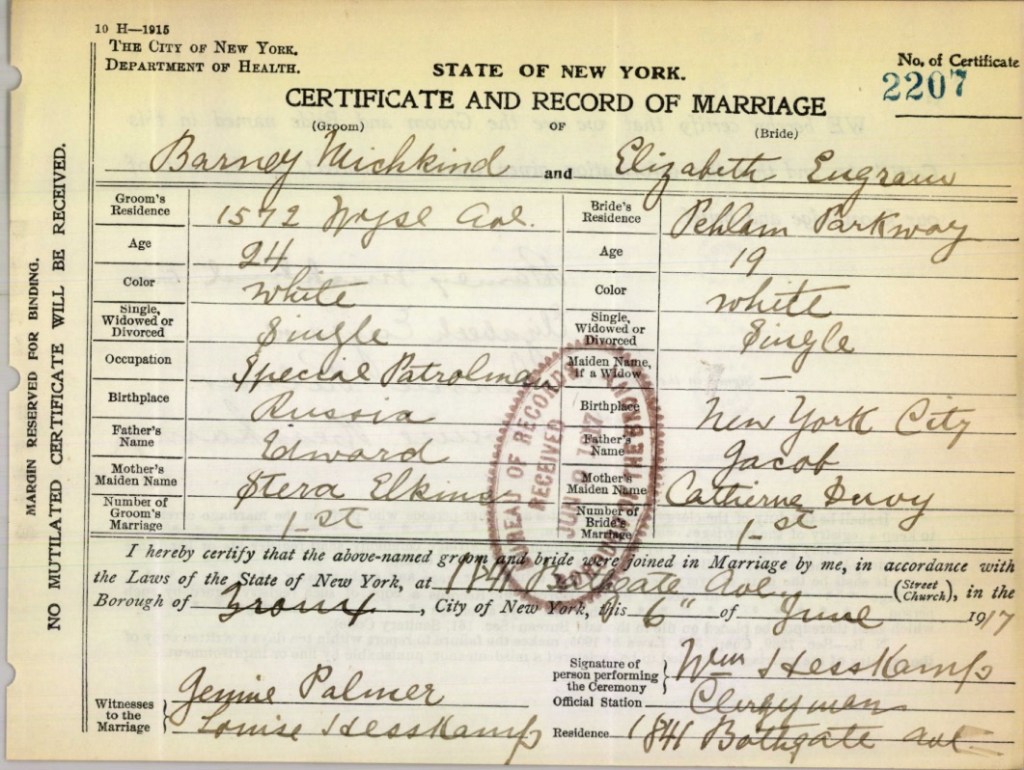
Elizabeth has an interesting story….She got married on June 6, 1917 at the age of 19 to Barney Michkind, 24 years old. But, she’s in the 1920 federal census with the rest of her sisters and listed as single.
Elizabeth and Barney’s marriage license 1917
In 1922, she has a daughter Adeline with husband Albert Klein and a son Robert, in 1927.
The 1930 federal census, they are living on Kisseana Boulevard in Flushing New York and they are living with Jacob Jr. He is 34 and single, and Albert works with him as an assistant. It says Jacob has a “truck farm” in which he produced a variety of perishable fruits and vegetables and transported them to urban centers. The census says both Elizabeth and Albert were 21 when they got married. More on that story in the next post.
Hannah/Johanna/Joan
I’m going to assume that Katherine, Louise, and Hannah were all living together in the 1920s.
On June 1, 1927, Hannah, one month away from her 21st birthday, and listed as Johanna on the marriage license index, married Anton Zeiss Jr. who is 24 years old.
Hannah/Johanna and Anton Zeiss marriage license1927
In the 1930 federal census, she and Anton are living in Pennsauken Township New Jersey which is outside of Philadelphia and by today’s traffic, 2 hours on the interstate. He is a draftsman for a radio company.
Recap –
In the 20 years after Katherine died, Jacob Jr was overseas in World War 1 and had a child (my mother). Barbara/Tessa got married and had 2 children. Katherine and Louise lived together, worked as stenographers and played basketball for a few years. Elizabeth got married, divorced and married(?) again and had 2 children. Hannah got married and moved to New Jersey.
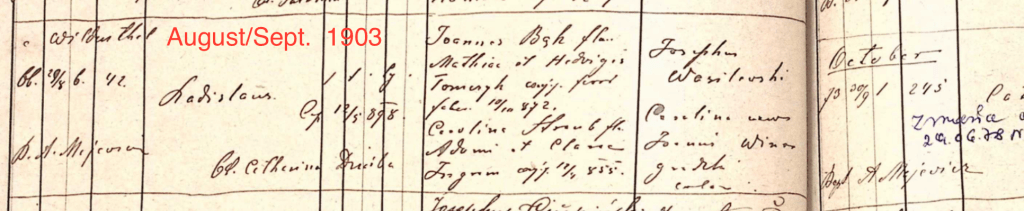
Walter Bonk (aka Bak or Bunk) was the 13th born and 8th living child of Carolina Straub. His father was John Bonk (Bak), whom she married in 1888 after the death of her first husband Joseph Posluszny in 1887. Carolina gave birth to a baby girl in 1899 who died at birth. Walter was born in Dzikowiec in the Galicia region of Poland on August 29, 1903 when Carolina was 48 years old.
Born 8/29/1903, baptized 9/6/1903
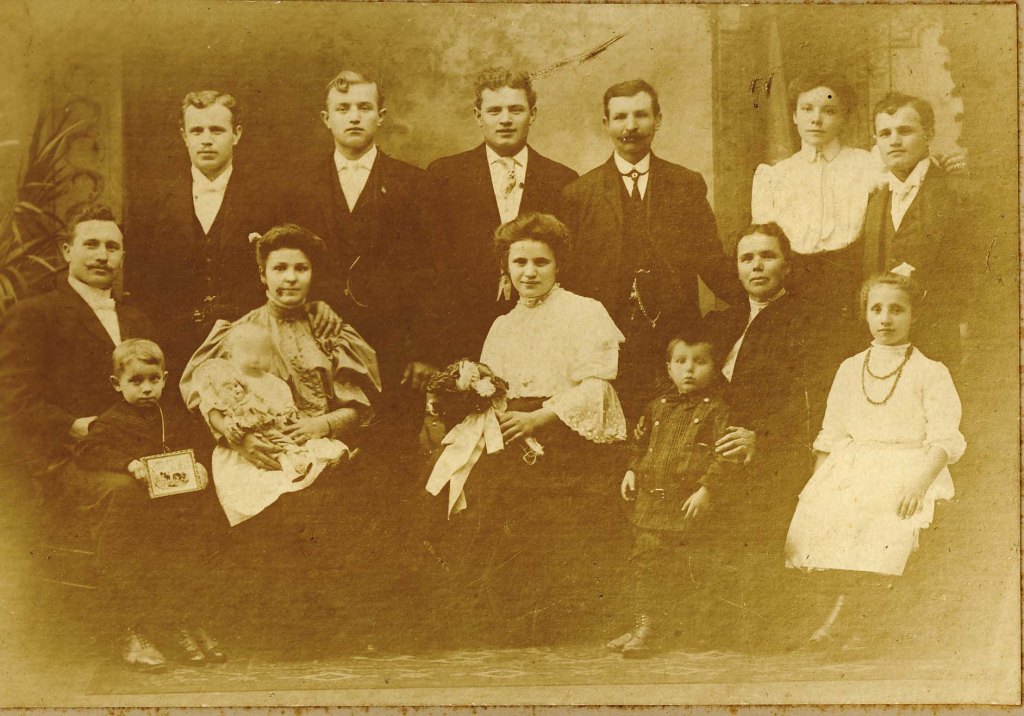
Walter was a month shy of four years old when he made the trip to the United States with his mother, father, and half sister Elizabeth. The Passenger List indicates that his father had traveled to the United States in the past in 1901 and 1906 to Perth Amboy possibly to work and get things settled for them all to come over.
Walter standing on right in front of mother Carolina late 1907 his father is standing 4th from left
In 1910, John, Carolina, and Walter are living at 23a Parker Street in Perth Amboy, New Jersey. Although Elizabeth would have been only 14, she is not listed as living with them. Perhaps she was working as a live in maid somewhere. During this time period, Walter was attending school and could speak English.
The next time I find Walter, he is 17 years old in the 1920 United States Federal Census. The family has moved to Wallingford Connecticut and his parents owned 30 Geneva Avenue. They are joined by his half-sister Elizabeth, her husband Joseph Łaçź, their two young sons, his half-cousin John Posluchny (spelled phonetically in the census!), and a border, John Ivaninski. It was a full house! The two boarders work at the hardware factory, his father works as a press dropper at the silverware factory, Joseph a packer there, and Walter at age 17, is no longer attending school and is an electrician at the factory.
Only two years later, Walter, Caroline, and John Bonk were now living at 24 East Street in Wallingford. This was one minute walk from the location of the market owned by Elizabeth and her husband Joseph Łaçź and it is a short walk from Clifton Street where his half brother Konrad (my grandfather) and his family will move to in 1925. He is 19 years old.
Walter Bonk year unknown
In March of 1925, his mother Caroline passes away of stomach cancer.
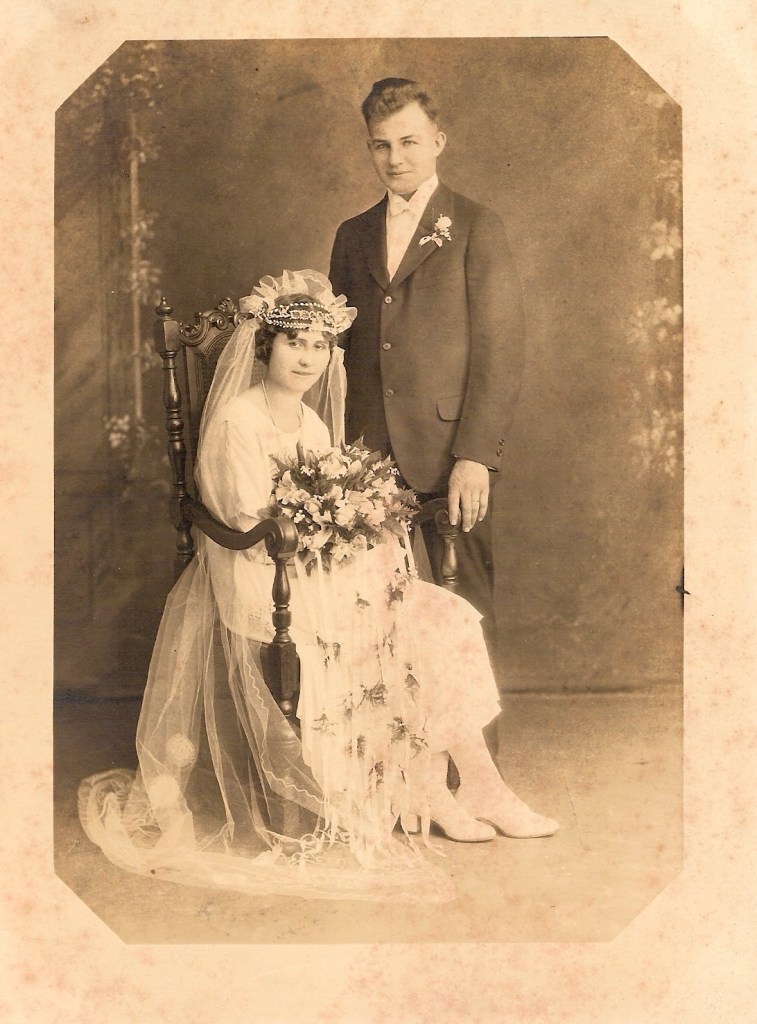
On June 23, 1925, Walter married Beatrice Kasprzycki of New Haven. She was born on September 13, 1905, the fourth of nine children of John Kasprzycki and Anna Tarnowski of Meriden. The family moved to New Haven in 1917 when her father left International Silver for a job at the American Windshield Corporation.
Walter Bonk and Beatrice Kasprzycki 23 June 1925
Just over a year later, Walt and Bea’s first daughter Ann Carolyn Bonk was born on July 25, 1926.
Ann Carolyn Bonk age unknown
Walter, Bea, and Ann lived at 24 East Street in Wallingford with his father, John. This was a 2 family house and I think they must have lived with him based on the listings in the Streets section of the annual directory.
This following information came from a phone conversation I had with their daughter Ann in the early 2000s:
John, Walter’s father, 55 years old at the time, met Viola Weston, a 50 year old widow and they got married. Viola had 23 and 21 year old sons, and an 18 year old daughter who came along with her to live at 24 East Street. So Walter and his family moved to New Haven, close to Bea’s family.
Walter and Bea had another daughter, Dolores LaVerne born in 1931, and another, Joan Beverly in 1933, and their son Henry in 1937.
Walter and his family remained in New Haven until John died in 1933. Ann said they moved back to Wallingford and lived in one of the apartments and Viola, based on a provision in John’s will, continued to live in the other apartment until her death in 1937.
Walter went to work as an electrician for the Wallingford Steel Mill which then became Allegheny-Ludlum Steel and worked there for his entire career.
Walter also became involved in Wallingford politics in 1944 when he was named as an alternate delegate to the state Republican Party convention as well as part of the republican town committee. He continued on for many years and he also served as the Wallingford Assessor and a second selectman.
We would see Uncle Walt and Aunt Bea once a year at the annual Fourth of July family picnic hosted by Aunt Judy and Uncle Mal and Auntie Irene and Uncle Lou. Judy and Lou were my mother’s older siblings.
Uncle Walt and Aunt Bea continued to live in their home at 24 East Street until age caught up to them. They both resided at the Skyview Nursing Home where he passed away in August 1998 at the age of 94 and she in February of 2003 at the age of 97. They had been married for 73 years.
My mother and Ann were 4 years apart but the Poslusznys, Bonks, and Biegas, all lived within a block or two of each other. My mom was friends with all the girls throughout her life. We may not have seen them frequently, but we knew of them all because of my mother.
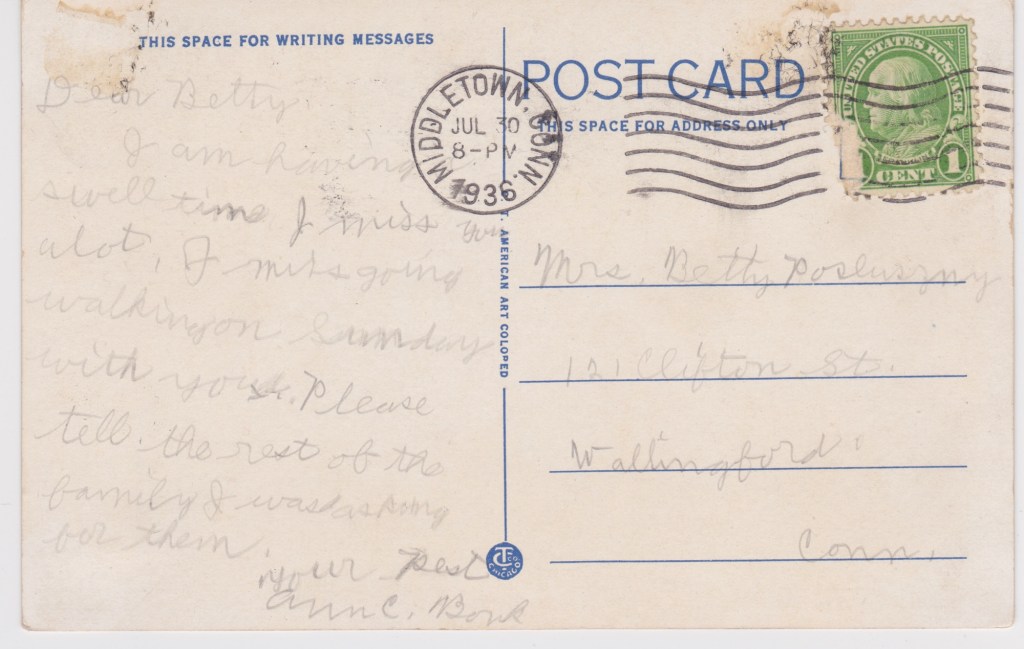
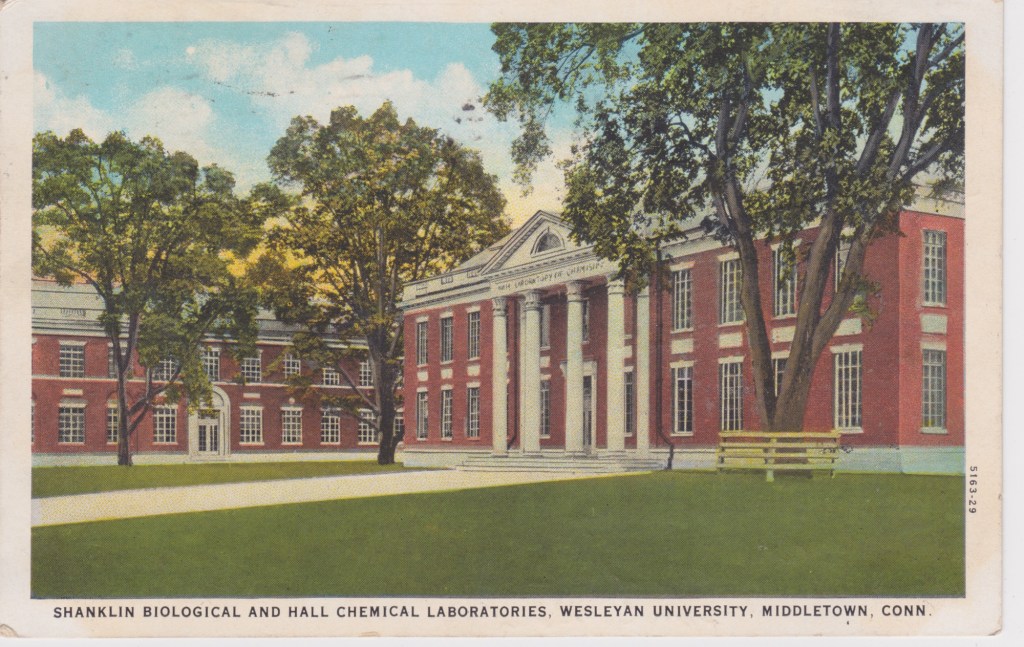
Ann’s postcard sent from Middletown when she was 10 and my mother 14 says: Dear Betty, I am having a swell time. I miss you a lot, I miss going walking on Sunday with you. Please tell the rest of the family I was asking for them. Your pest, Ann C. Bonk
Ann married Floyd Monroe of East Haven and they had three daughters and 4 sons. They lived for many years in Vermont and we would see them once a year at the annual Fourth of July picnic! After Floyd passed away in 1985, Ann moved back to Connecticut and became a teacher at the Wallingford Community Day Care where she was known as Miss Ann. Something I didn’t know about her until my research was she was a graduate of Yale University School of Music. Prior to that she studied piano and organ with various teachers including a professor at Yale. For two years prior to college she was the organist at St. Peter and Paul Church in Wallingford. Ann passed away in 2011.
Ann abt 2011
Laverne married Ed Dziubinski and lived in Branford. They had 2 children and Ed passed away some years ago and she has since remarried.
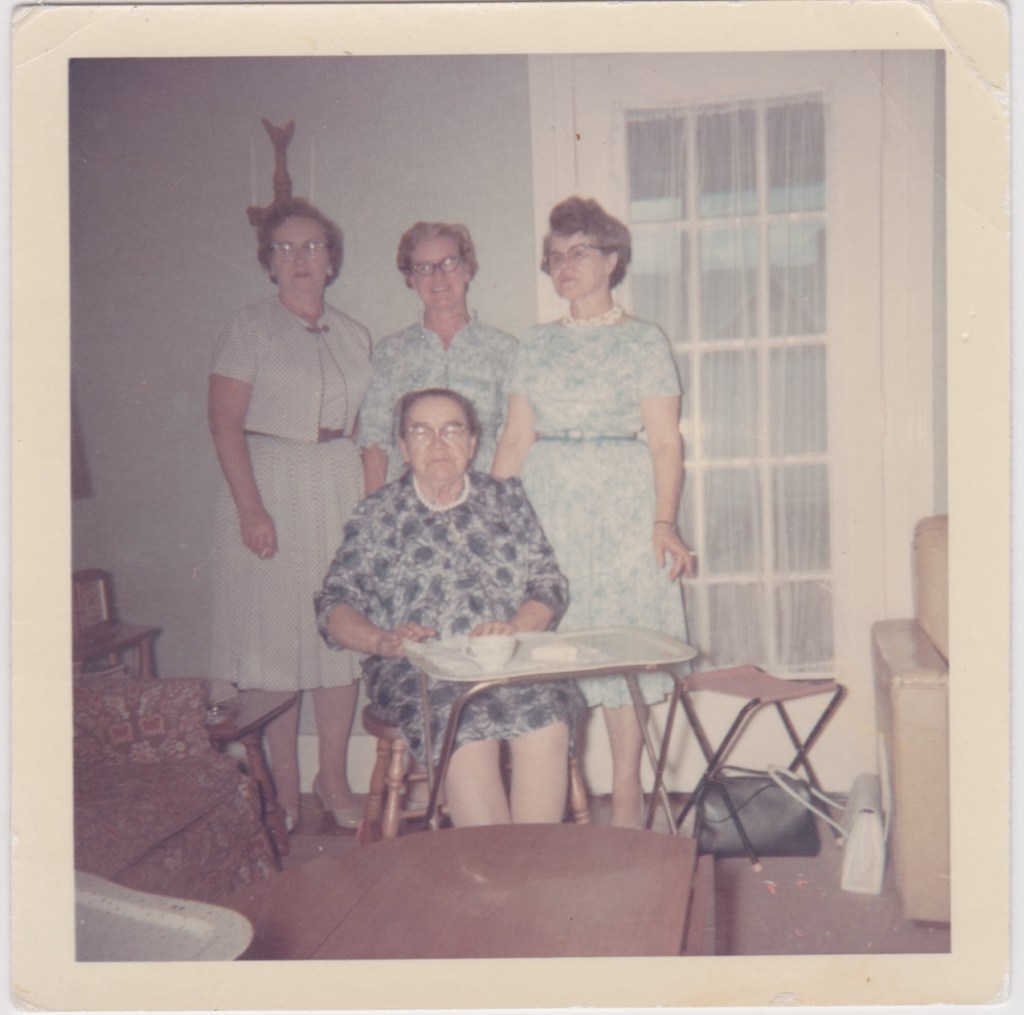
Laverne with Auntie Ann, Aunt Bea, and Joan (back right)
Joan married Carl Focareto of Berlin Connecticut. He was a loud, gregarious individual and I don’t mean loud in a bad way! “Knock-out” was his nickname. I don’t know why, and it just came to me! They were married in 1954 and they had 2 children who we knew fairly well because they went to the “other” high school in Wallingford. Their daughter, Beverly, married someone from “our” high school who was good friends with one of my brothers in law, so we would see them at parties and softball games. Their son, Peter, lives a few blocks away from us.
Joan Engagement photo 1953
Carl and my dad were golfing buddies. When Carl died in 1998, it hit my dad pretty hard. As a tribute to him, dad had the florist make up an arrangement that was a putting green. I wish I still had the picture of it. It was probably something they had never done before! Joan still lives in Wallingford.
My sisters and I didn’t know Henry and his family. I don’t know why. Maybe because he was born in 1937 when my mother was 15, and he was a boy?
Hank as he was known was involved in baseball and lacrosse growing up. He graduated from Tufts University and was a chemist and inventor with 34 scientific patents. He also served in the Army in South Korea. He had his wife had 2 daughters. Sadly, Hank passed away after a long battle from MS in 2021 at the age of 83.
Henry W. “Hank” Bonk
My Behme cousins are far more familiar with Hank and his family most likely because their mother, Judy Posluszny Behme, was 2 years younger than Hank and they might have gone to Holy Trinity together. Being that close in age, they likely had their children in the same range and they too, would have been in school together. I just remember the Behme family heading off to the Bonks house during the holidays and I didn’t quite understand why we didn’t!
When I put these stories together I see so many characteristics within my family today. The scientists and musicians, the cooks and bakers, and overall smarty-pantses in the family! There’s also the “get involved in your town” and take care of people whether their friends or strangers. This is the DNA we carry within us.
As cousin Ann Bonk’s obituary said: In memory of Ann and how she lived her life, we ask that you honor her by a simple act of kindness.
The Week 35 Topic for 52 Ancestors in 52 Weeks is All Mixed Up.
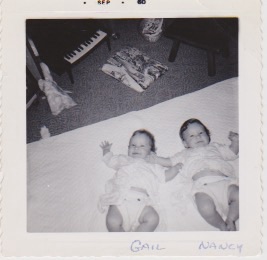
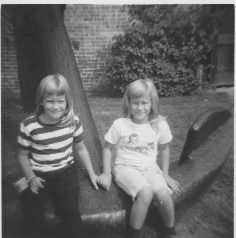
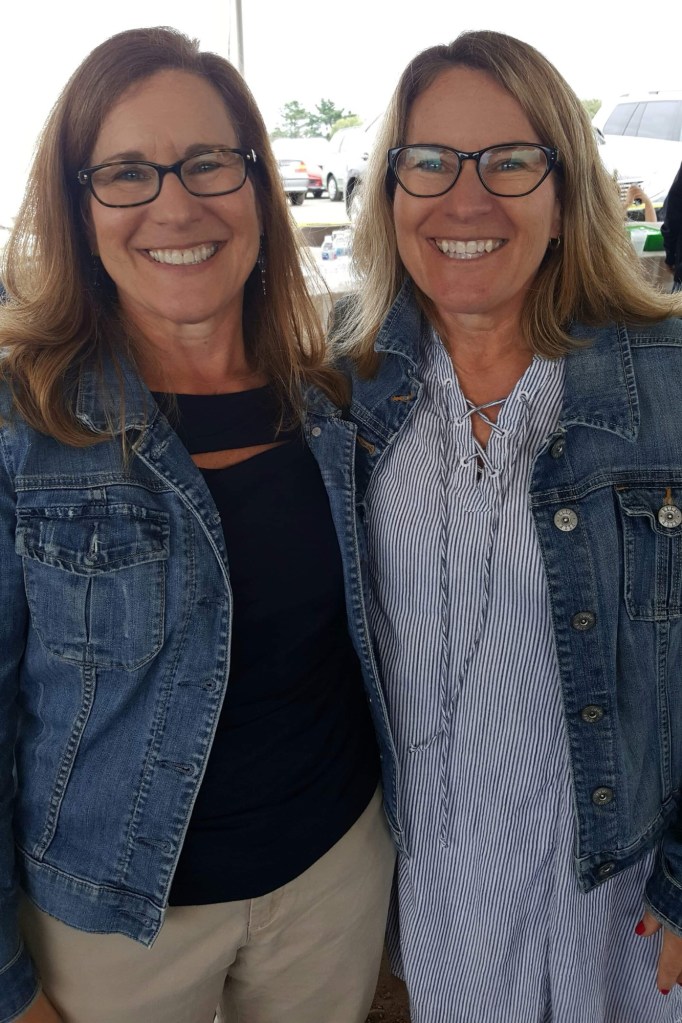
If you’ve ever known twins, if you are a twin, or if you have family members who are twins, you know what I’m talking about.
My mother asking Janice to pick out a specific twin
Through elementary school and beyond we have been mixed up. Our children have turned to “the other one”, and people in grocery stores are embarrassed when they realize we’re not who they think we are, no matter how much we reassure them “it’s ok! Just tell me your name and I’ll tell her you said hello!”
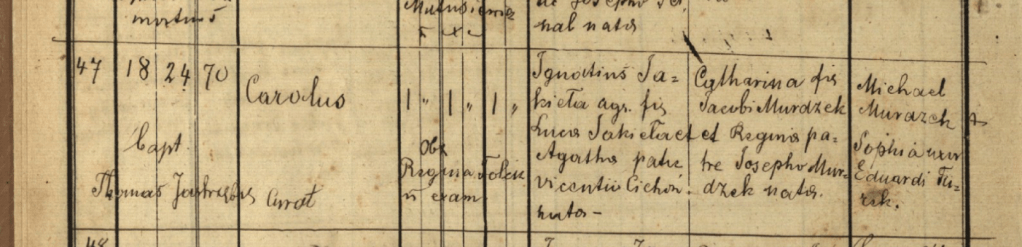
I’m dealing with an All Mixed Up situation as I’m combing through Birth, Marriage, and Death records of my grandfather’s birthplace in Poland. A distant cousin received the records from a researcher and he passed them on to me. I’ve added information to Charles Jakiela’s immediate family including his sibling’s birth records, and his father’s remarriage after his mother died. But the jpg file are out of order of the books so I’ve been flipping back and forth trying to follow the dates. I finally made a list showing the page numbers in the books along with the file number.
My intention is to go through the records and chart the family names, dates, and house numbers to see where the matching parental names are. There are so many Jakielas, Murdzeks, and Pernals, all names I know are part of our ancestry. Then I plan to take names and birth dates and cross reference them to naturalization records and enlistment forms processed in Connecticut because I know there is a Lubatowa connection from looking through them in the past. There is also a Jakiela and Murdzek connection in Pennsylvania that I’d like to finally uncover. It would also be sweet to finally figure out where connect on the family tree!
This kind of research is what I love to do so hopefully it will be fruitful.
The topic for Week 24 of 52 Ancestors in 52 Weeks, is Hard Times.
This is the story about my dad’s family, The Jakiela Family.
Their story, as I know it, begins with my grandfather, Charles, born in August of 1890 to Ignacy and Catharina (Murdzck) Jakiela. He would have a brother born in 1893 and a sister in 1894.
Charles’ birth record 1890
His mother died in 1894, the same year his sister was born, which makes me think her death might have been related. Charles was not yet 3 years old.
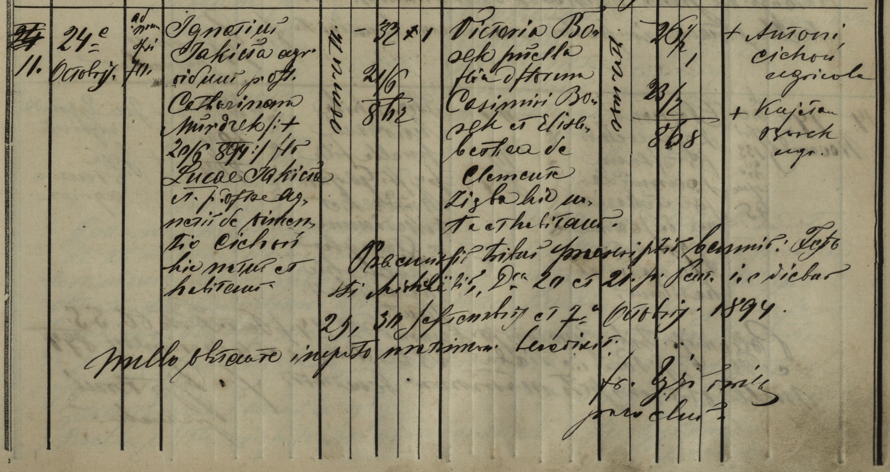
His father married Victoria Borek in October of 1894.
Marriage record for Ignacy and Victoria
Charles left for the United States in November of 1906 when he was 16 years old. He traveled with a cousin, Pawel Murdzck with Charles heading to Southington Connecticut and Pawel to Braddock Pennsylvania. I don’t know if they ever saw each other again.
Charles made his way to Palmer Massachusetts and the fabric mills. There he met his wife, Antonia Liro who immigrated in 1910 and had headed north to live with her sister Aniela and her husband Joseph Mikula and their children.
They were married in 1912 and made their way back to Southington where she gave birth to Steven in 1913 and Edward in 1915, and Charles worked for a Peck, Stowe, and Wilcox which manufactured tools and was the largest employer in Southington.
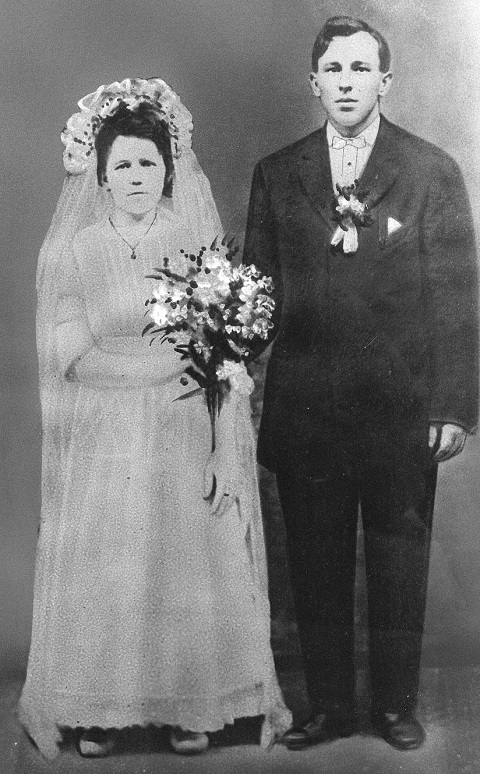
Antonia and Charles June 1912
Life might have been good for a time, Charles continued to work at PS&W, and Antonia took care of their 2 young sons but then World War I came along.
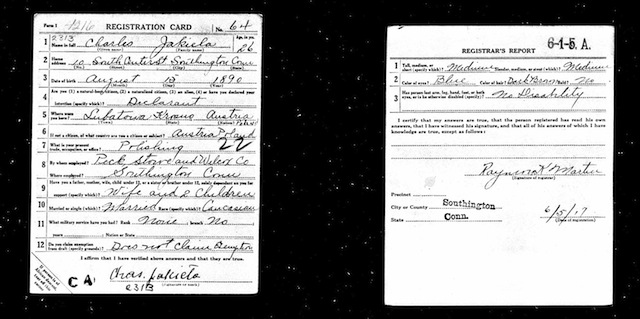
Charles completed his draft registration card and family lore says he wanted to go to warbecause he “of his love for the country that took him in”. After hearing about some of the anti-immigrant sentiment, I wonder if he felt like he had no choice. Whatever the reason, he headed to Camp Devens in Ayers Massachusetts in May of 1917. He became a citizen of the United States June 26, 1918 under the May 9, 1918 while at Camp Devens.
Charles’ naturalization certificate – years later, cousin Steve had a deli in the same location at 31 Liberty Street Southington!
He headed sailed out of Boston on the September 4, 1918 along with the 301 Trench Mortar Battery of the 76th Division. Just in time for the Meuse-Argonne Campaign in France which would lead to the end of the war.
I don’t know how he fared in the trenches, but on the way back to port and the transport ship to take him home, his train ran over an unexploded munitions over a trestle. The bomb went off and he ended up in the river. This is another family story. A friend from home who was also on the train, saved his life. He came home with a scar running from his forehead to the back of his head. But he came home!
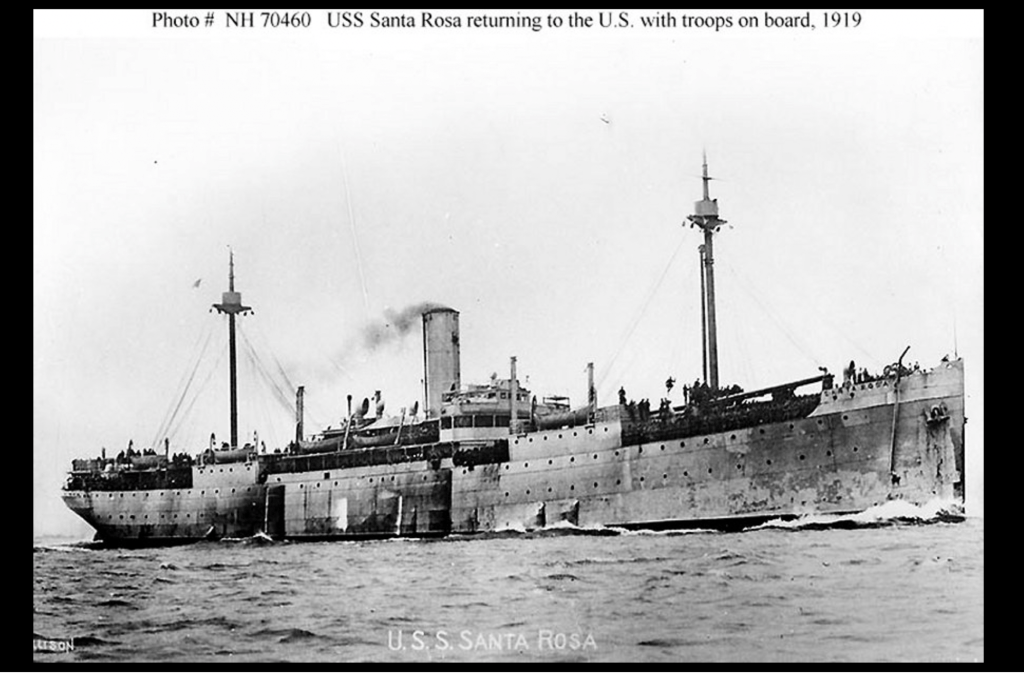
He arrived back in Boston Massachusetts on April 26, 1919 aboard the SS Santa Rosa from Pauillac France.
Charles’ return transportation
Charles and Antonia wasted no time in restarting their family and Helen was born in March of 1920! Followed by Walter in November 1921 and my dad, John, in June 1924.
Antonia Jakiela with Johnpaternal grandfather Charles Jakiela
The town directory shows Charles went back to Peck, Stowe & Wilcox and they lived in a variety of rentals in the area of the factory.
Everything came to a halt in the early morning of April 1, 1927 when Antonia died from pregnancy complications and Charles was left with five children, the youngest not quite 3 years old. Sound familiar?
I’ve told this part of the story a few times. Charles was devastated. He gave my dad to his godmother, and brought Walt and Helen up to Massachusetts to be taken care of by their Uncle Joe. Steve and Eddie stayed with him in Southington. When they moved to Wallingford in February of the following year, the family was brought back together again. I think that’s where the story I heard comes from, that the kids ran away from him, and he realized it was time to bring them back.
Charles drank, had a hard time holding a job, and wrote many letters to the Veterans Administration asking for more money. When they moved to their last rental on Prince Street, Eddie, now a teenager worked for the baker next door. After a few weeks of not getting paid, he asked the baker for his pay. The baker informed him he had a deal with his father that Eddie was working for their rent.
I was told he was a talented craftsman and that he made a beautiful wooden cross for Antonia’s grave. Uncle Joe would send him fabric from the mills and he would sew pillow cases for the house, and one time he made a wardrobe in the basement. The only problem was it was too big to get upstairs. So he took it apart and remade it. That’s where my dad got his talent.
My Auntie Helen told me they attended Whittlesey Avenue School, but when it got crowded, they were sent to Colony Street School. She liked Colony better because at Whittlesey the children from the fancy homes on Main Street were snobs. The kids in the Colony Street area were on a more economic level with her family.
They were fortunate to have St. Peter and Paul’s church to go to. Walt and John were altar boys and Helen cleaned the church. Did Charles ever attend? I don’t know but Charles got angry when my dad couldn’t say his prayers in Polish.
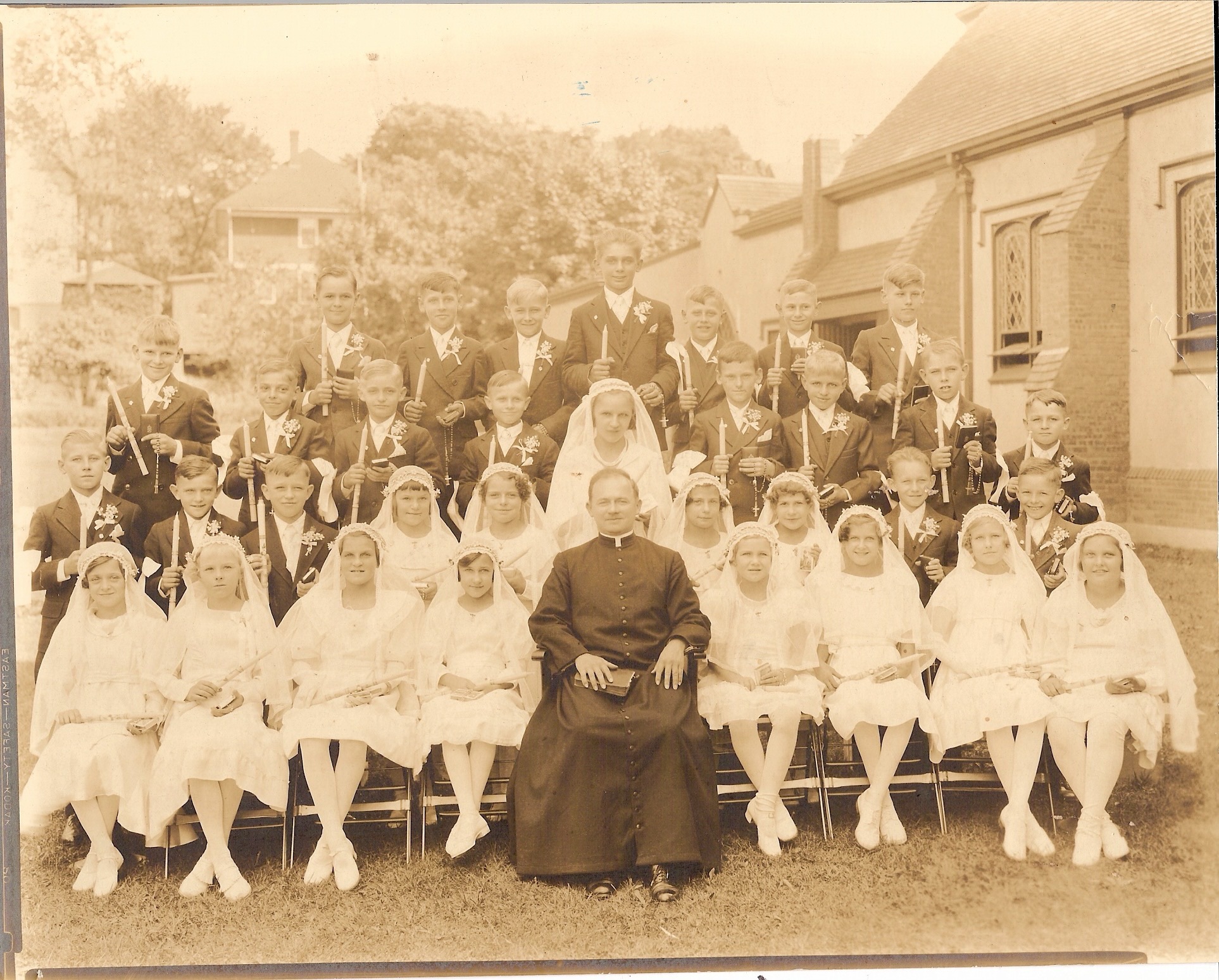
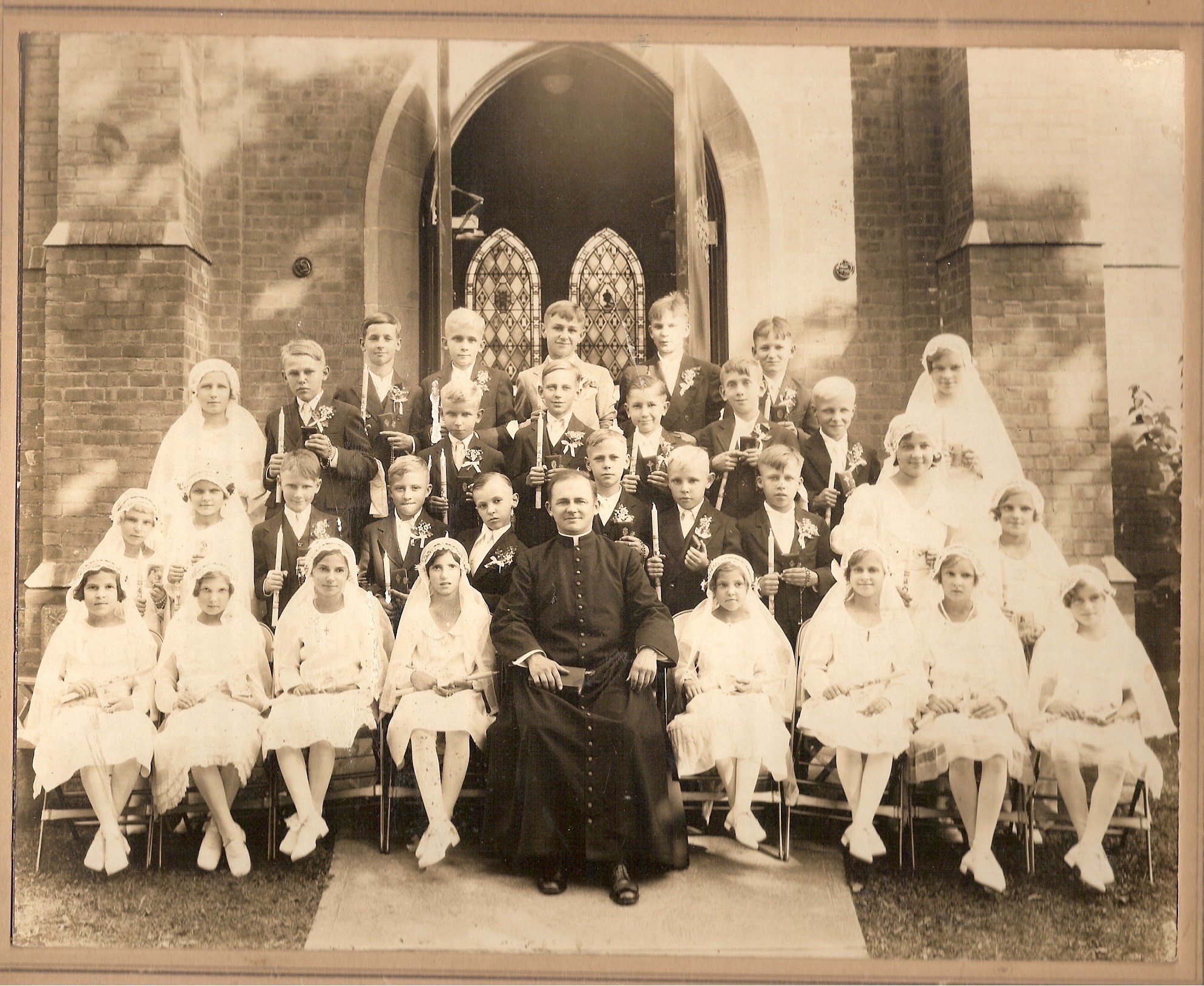
John’s first communionWalter’s first communion
Charles died in May of 1935 in a hit and run accident while walking home one night. He was identified by the letter in his pocket from Stanley Judd of New Britain offering him a job that he would have started the following week. My father was not yet 11 years old.
Life might have been good before Charles went off to war but I think he came home, obviously injured, but also suffering from PTSD. Poor Antonia, how did she survive financially during the year and a half he was gone? How did Charles survive with five children to take care of, and have to work?
All five siblings grew up to have families and were successful in their lives. They persevered through the hard times and were always there for each other.
Thinking of them, I think of our professions and jobs that my sisters and I have had. Janice is a retired pediatric ICU nurse, Gail worked for years as a paraprofessional in elementary school following the same child from first grade through fifth grade and then would start all over again with a new child, I worked in an elementary school library, in the cafeteria, and then became a big sister to a first grader being raised by his grandmother. We all saw children and parents going through hard times and we all rose to the challenge to make their lives a little better while in our care.
The topic for Week 17 of 52 Ancestors in 52 Weeks is WAR.
Over the life of this blog, I’ve talked about family members who have been in World War I like my paternal grandfather Charles Jakiela, and my Uncle Walt in World War II.
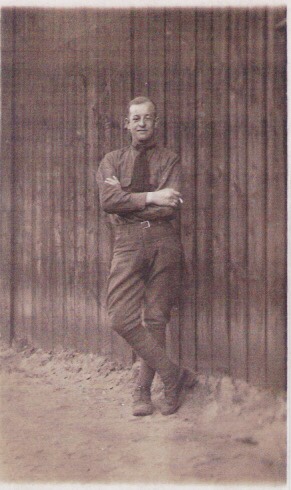
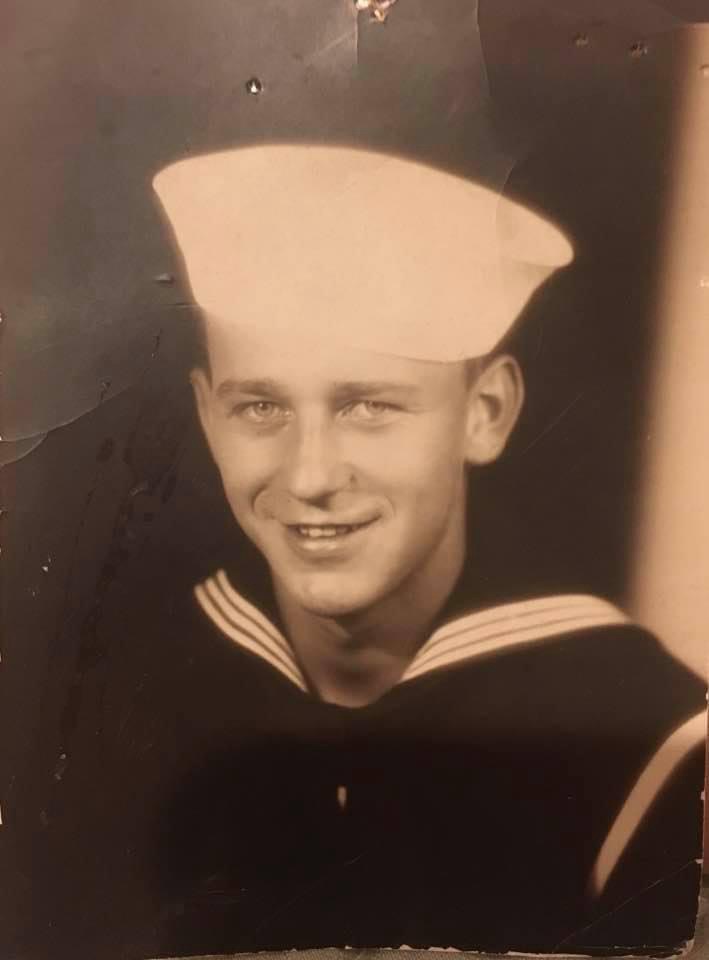
paternal grandfather Charles Jakiela abt. 1923maternal grandfather, Jacob Engram abt. 1918Uncle Walt abt. 1941
My grandmother’s brother Bronislaw Liro went BACK to Poland only a year or two before World War I broke out and managed to escape from Siberia!
My biological maternal grandfather, Jacob Engram, was in World War I as a member of the 49th Infantry out of New York. My lifelong maternal grandfather, Konrad Posluszny, didn’t serve in the war but he had four young children at home when the First World War broke out.
There was the aftermath of World War II as described by my grandfather’s brother Antoni in his letter to my dad and his siblings in the United States. “Even Helenka’s photo on a pony bothered them hanging on a wall.”
My mother’s brother, Connie, and her brother-in-law Mal both served in World War II. Connie was a cook in a San Antonio training camp. I have no records of him anywhere on the Fold3 website but in the videos from conversations with Aunt Judy, she said he was a cook and they had to pack up the kitchen when the fighting got close. The possibility of Connie going overseas was the family’s explanation when his father Konrad committed suicide in late December of 1944.
Uncle MalGram, Connie, Gramps
My husband’s dad Harold, uncle Ronald, and his step-dad Paul were all in the Korean War. Harold was a cook and Paul was in the motor pool in Korea. Ronald was in a tank during his time in Korea and it was a time that had a lifelong effect on him.
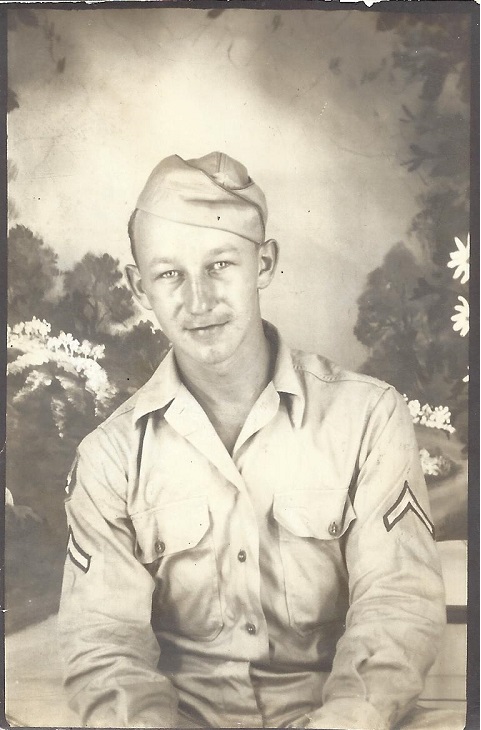
My dad, John, enjoyed his time overseas. He enlisted in February of 1943 in the Army/Air Force and headed overseas to Suffolk England. He talked very fondly of his time there at an airfield base and I think it was because he could leave home. He was living with his oldest brother, Steve, Steve’s wife, their two young sons, and John’s sister, Helen. I know he was grateful that he had a home, but I think it was a little crowded! He recalled to my sisters and me that when it was time to board the train to head off, parents and sons were crying. His only thought was, “This is an adventure!”. He volunteered for hatchman duty on the transport ship to England because it gave him privacy. At Great Ashfield Airforce Base near Stowmarket England, the location of the 385th Bombardment Group of the USAAF, he was a Corporal of the MPs on the base. He was back in the United States by September of 1945.
John Jakiela, Corporal Army Air Force Word War II
He had a picture of his squadron framed and hanging in his basement work area. We loved to take it from its spot and listen to his stories of the men in the picture.
He kept his address book of local friends and their war addresses along with the addresses of people he met while in the service. I have it now and like to flip through it to look at the various names.
He had a few Suffolk locals listed in there. One is Joyce Filby of Finningham England, who I think was his girlfriend while he was there. Another is the Hammond Family of Wetherden. I have a letter they wrote in November of 1947. Although the war was over for two years, they were still having difficulty getting food and were being strictly rationed for bread and potatoes. “Things are getting worse instead of better.” That sounds similar to Great Uncle Antoni’s letter from Poland in January of 1947!
Although some of the men had difficulties once they came back to the United States and their families, I’m grateful they all came back.
Week 7 of 52 Ancestors in 52 Weeks is all about Immigration.
It’s impossible to focus on just one ancestor because they all left the same region between the ages of 4 and 51 between 1899 and 1912.
My maternal grandmother, Julianna Ingram in 1903 at 16 years old followed by one sister 4 years later and another sister 8 years after that.
My paternal grandfather Charles Jakiela in 1905 at 15 years old without any siblings ever following him. Traveling to Southington Connecticut and shortly after to Palmer Massachusetts to work in the textile mills.
Imagine sending your child, first on a (present day) 14 hour overland trip to get to the port of Bremen Germany. From there, they would board a steam ship to travel to New York and start a new life – without you. Neither Julianna or Charles ever returned.
You couldn’t just pick up a phone a find out how their trip was or are they getting enough sleep, and have they found a job yet?
My maternal grandfather Konrad Posluszny immigrated in 1900 at 16 years old. He had the benefit of uncles already in Yonkers, New York and all his brothers arrives in the next five years. His mother, step father, 2 sisters, and a half brother, arrive 7 years after he did. They were lucky to all be together in the “new country”.
My grandmother Julianna left behind her parents, and 2 sisters and a brother, one or two were born after she left. I wonder how affect they were by the first and second word wars because we do know how Charles’s family fared.
My grandfather, Charles Jakiela immigrated to the United States from Lubatowa Poland in 1905. He was married with two children when the time came in June of 1917 to register for the draft.
Although he could have, he chose not to claim an exemption and left his wife, Antonia and two sons – Steven, 4 years old and Edward, 2 – behind in Southington Connecticut when he headed to Camp Devens in Ayer Massachusetts. When asked why he enlisted when he could have been exempt he said it was because “he loved his country”.
The construction of Fort Devens started in early June, 1917, and was performed by a labor force of 5,000 workers which in just 10 weeks built a small city consisting of 1400 buildings, 20 miles of road, 400 miles of electric wiring and 60 miles of heating pipes in addition to water and sewer service. Due to the speed of its development, Camp Devens formally opened at the beginning of September, 1917. It was the first of 16 National Army cantonments to be completed in the country, processing and training more than 100,000 soldiers of the 76th and 12th Divisions from 1917-1919. (from http://www.worldwar1letters.wordpress.com). It was here at Camp Devens that Charles became a United States Citizen.
Fun fact – 31 Liberty Street in Southington listed on the Certificate is the same location that cousin Steve Jakiela had his deli and catering business – Liberty Deli!
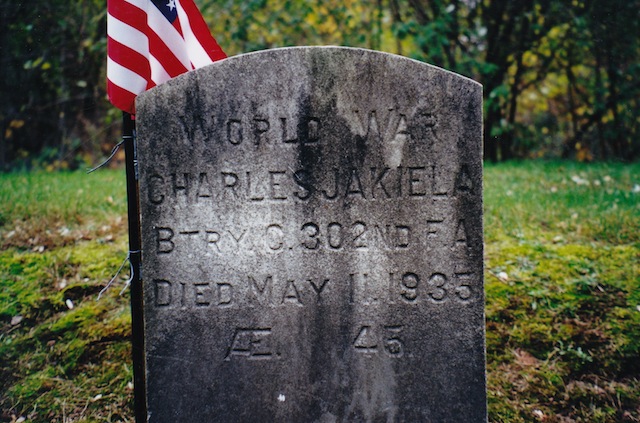
Based on his headstone, I knew that he was in Battery C 302nd F.A. (field artillary). I really didn’t give it much thought until I saw Bill O’Reilly on an episode of Finding Your Roots and the host, Henry Gates, talked to him about his grandfather who was in the a division of the army out of New York and they talked about how he fought in the Meuse-Argonne Offense in October-November of 1918. Something just made me start looking again because I knew there had to be more information for Charles’s service.
I found out that the 302nd field artillary regiment was part of the 151st Field Artillery, which was part of the 76th Division, which was part of the 5th Army Corps commanded by Major General Omar Bundy. The 302nd field artillary regiment were trained with the 4.7″ artillery guns. I also found the following online:
Seventy-Sixth Division (National Army)
Known as the “Liberty Bell Division.” Insignia is a blue liberty bell superimposed on a khaki square. Organized at Camp Devens, Mass., in Sept., .1917. The division was composed of National Army drafts from Maine, New Hampshire, Vermont, Rhode Island and Connecticut. The first units embarked for overseas on July 5, 1918, and the last units arrived in France on July 31, 1918. Upon arrival in France the division was designated as a depot division and ordered to the St. Aignan area. Here the division was broken up, training cadres were formed and the personnel used as replacements for combat divisions at the front. The special units, such as the Signal Battalion and Sanitary Troops, were sent forward as corps and army troops.
Commanding generals: Maj.Gen. H. F. Hodges,. Aug. 25 to Nov. 27, 1917; Brig. Gen. Wm. Wiegel, Nov. 27, 1917 to Feb. 13, 1918; Maj. Gen. H. F. Hodges, Feb.13 to Nov. 11,1918.
This division was composed of the following organizations: 15ast and 152nd Inf. Brigs.; 301st, 302nd, 303rd, 304th Inf. Regts.; 301st, 302d, 303d Machine Gun Bns.; 301st, 302d, 303d Fld. Arty. Regts.; 301st Trench Mortar Battery; 301st Engr. Regt. and Train; 301st Fld. Sig. Bn.; 301st Hqs. Train and M. P.; 301st Amm. Train; 301st Supply Train; 301st Sanitary Train (301st, 302d, 303d and 304th Field Hospitals and Amb. Cos.).
I also found somewhere else (really should have written websites down!) that the 302d and 303d FA Regiments were in the St. Mihiel Sector from 11/2-11/11/18.
He survived his time in France, although I’m told he was heavily gassed, only to have disaster strike on the way home. According to both Auntie Helen and Uncle Eddie, on the way out of France (England?-It was never said where), as the train the troops were on went over a trestle, a previously unexploded bomb exploded! Charles landed in a brook and his head was smashed. Auntie Helen said he had a scar from the front of his head down the back. A man from Bristol saved him. Once they arrived home, every Saturday night “four guys on motorcycles” came to their South Center Street home in Southington to visit. Auntie Helen said he received a pension because of his injury and he would routinely write letters to the government because they wanted to cut his pension!
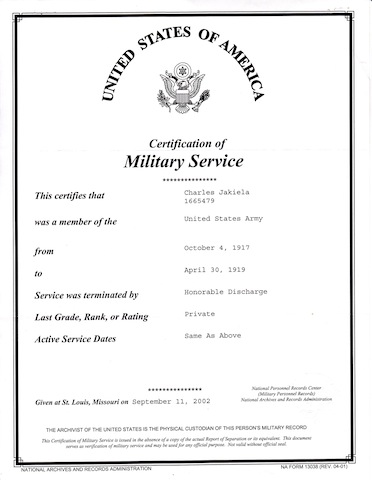
In 2002, I requested and received a Certification of Military Service for Charles which told me he was in the Army from October 4 of 1917 to April 30, 1919. Unfortunately, in 1973, there was a fire in the area that destroyed a major portion of records for Army military personnel from 1912 through 1959.
He died at age 45 when Steve the oldest was 23 and John the youngest was turning 11. But that’s a story for another time. He’s buried in St. John’s cemetery. If you go in the lower driveway to the end and the road curves to the left, he’s at the top of the hill on the right. John always made sure there was an American flag by his headstone. I think I will see that there always is.












 It's All About Family