While writing my Uncle Connie’s story, I was drawn to my mother’s postcard collection that included cards he sent from various military locations.
After organizing them by location and date, with the help of Google AI, I was able to put together a timeline of his service.
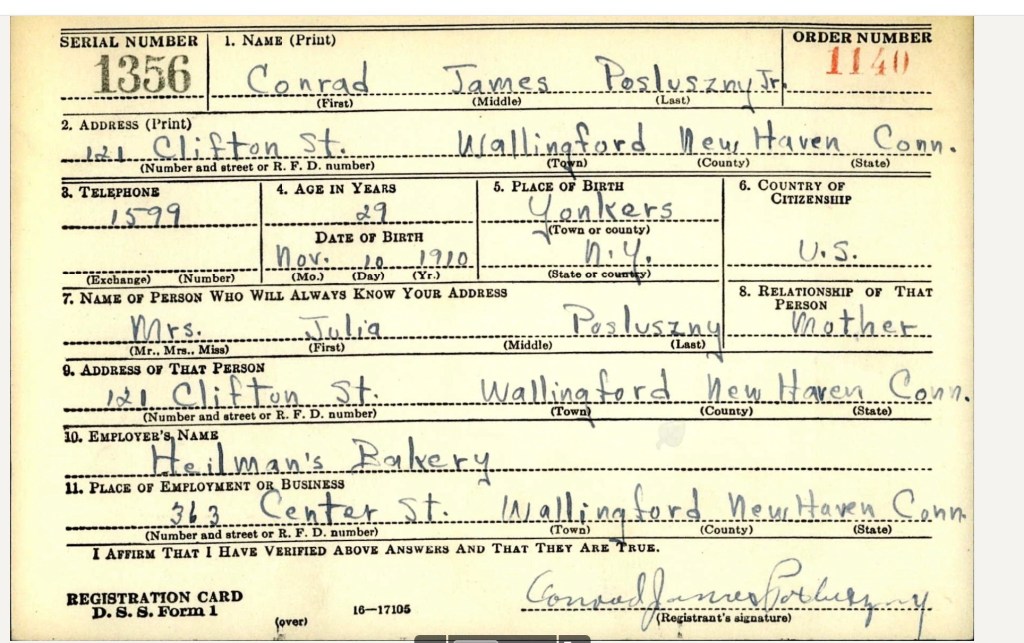
Connie completed his draft card on October 16, 1940, when he was 20 years old, and was drafted on November 10, 1942.
Fort Devens, Massachusetts
First up was his induction at Fort Devens, Massachusetts, in November of 1942. Fort Devens served as a massive reception center for the Northeast. It was built in 1917 for the First World War. My grandfather, Charles Jakiela, was stationed there and trained before he headed off to France. Connie went through Basic Training, which included physical and aptitude testing, received his uniform, learned how to salute, and was assigned his service number.
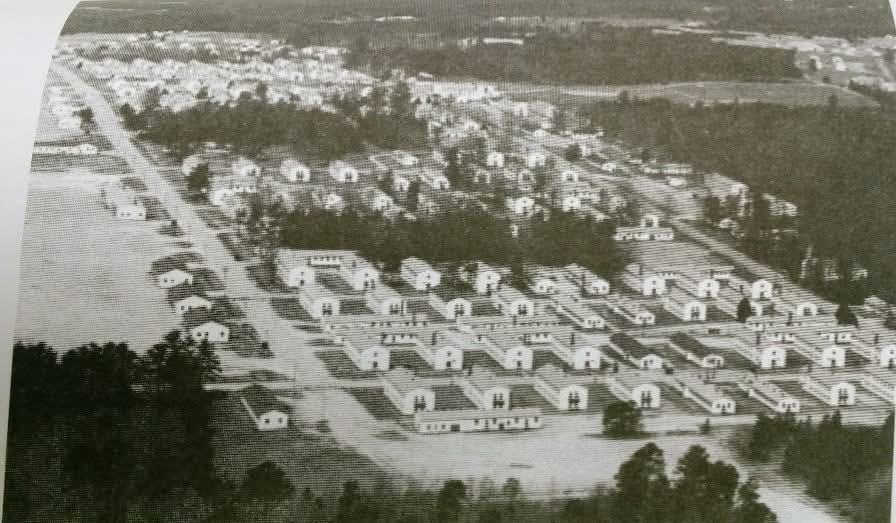
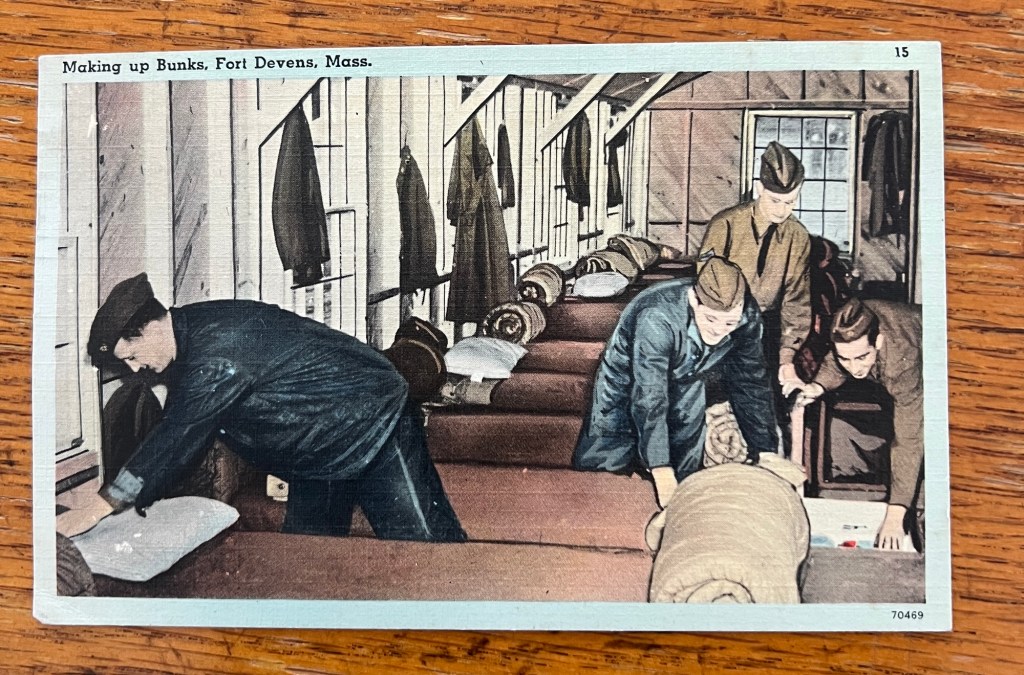
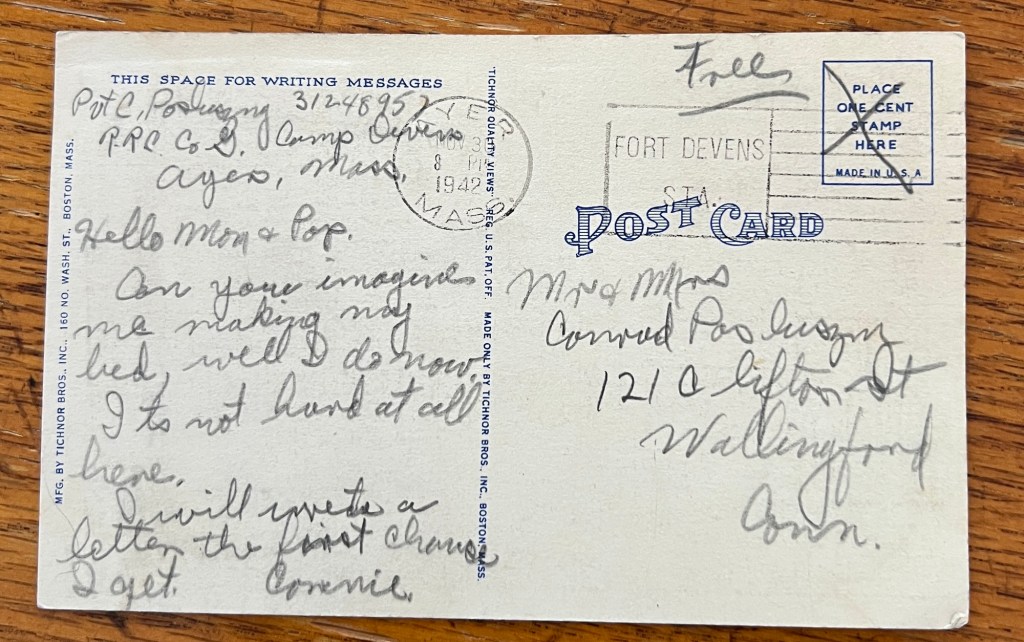
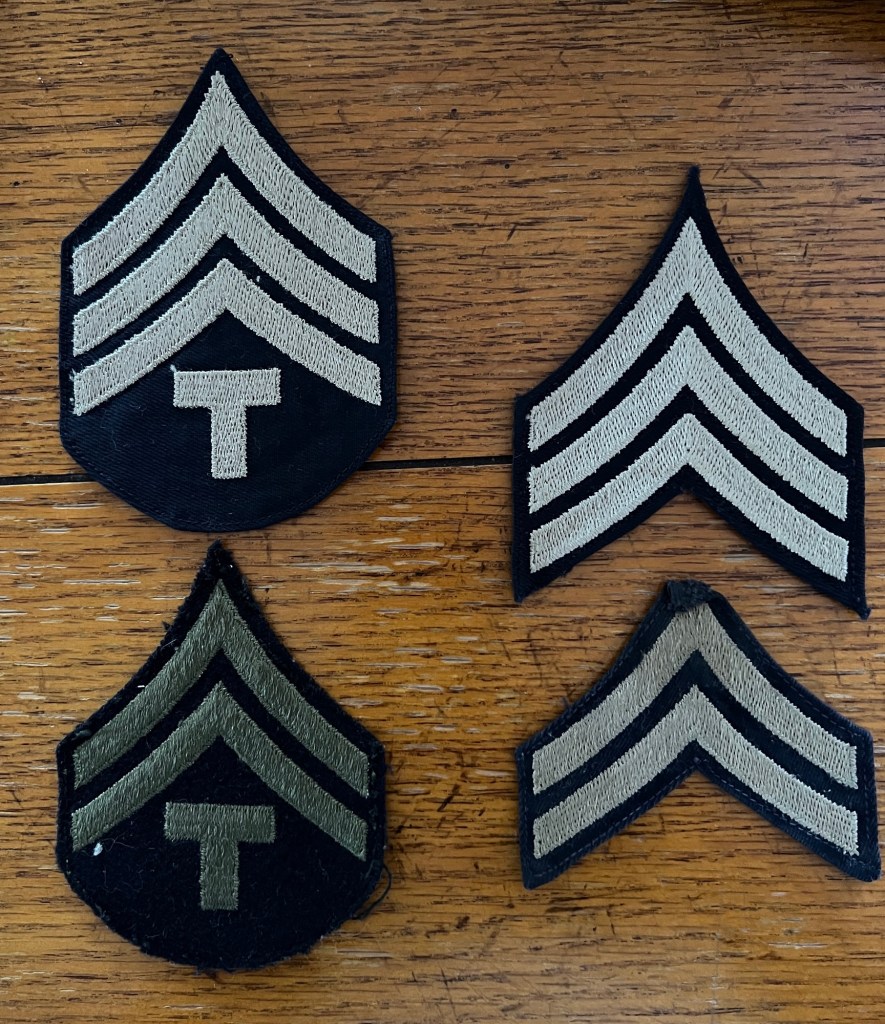
When his file hit the Quartermaster’s desk, that man was very happy! As an experienced baker, Connie was highly prized. The Army desperately lacked experienced tradesman to work and train the thousands of new draftees. As a commercial baker, he already had “muscle memory” for scaling recipes, managing proofing times, and troubleshooting bad dough. Connie was assigned to the Quartermaster Corps, and sent to Camp Swift outside of Austin, Texas. He entered basic training as a Private but left as a Corporal.
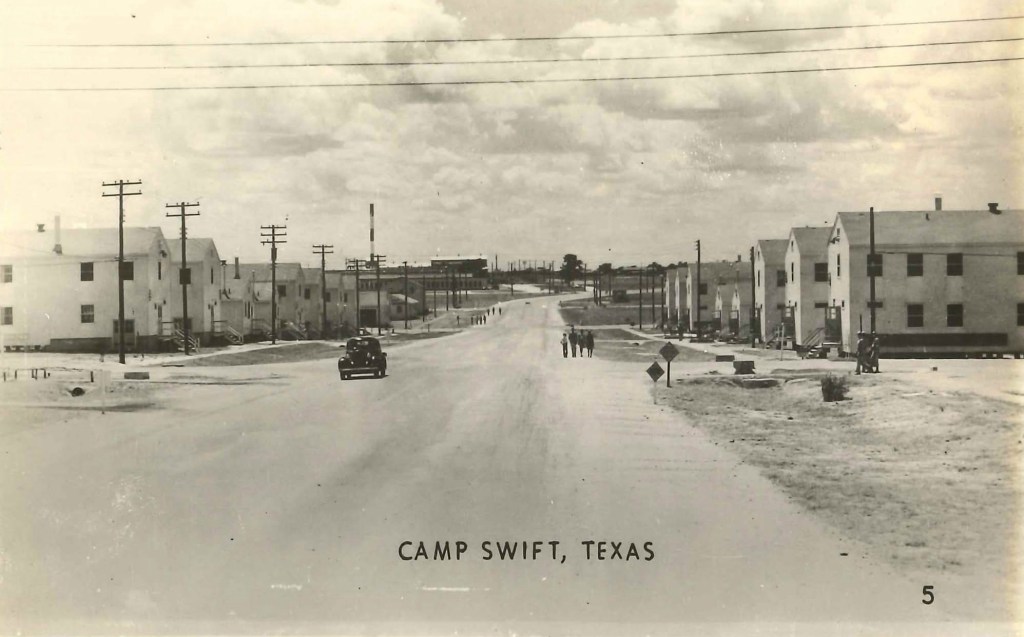
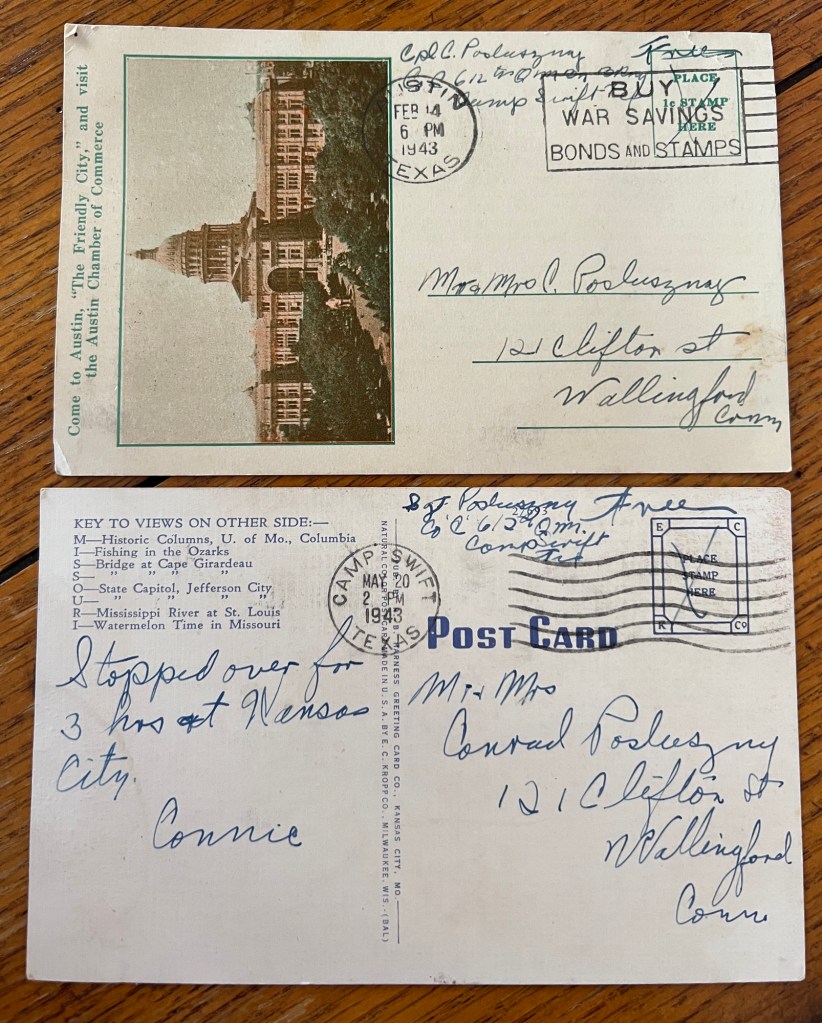
Camp Swift, Bastrop, Texas
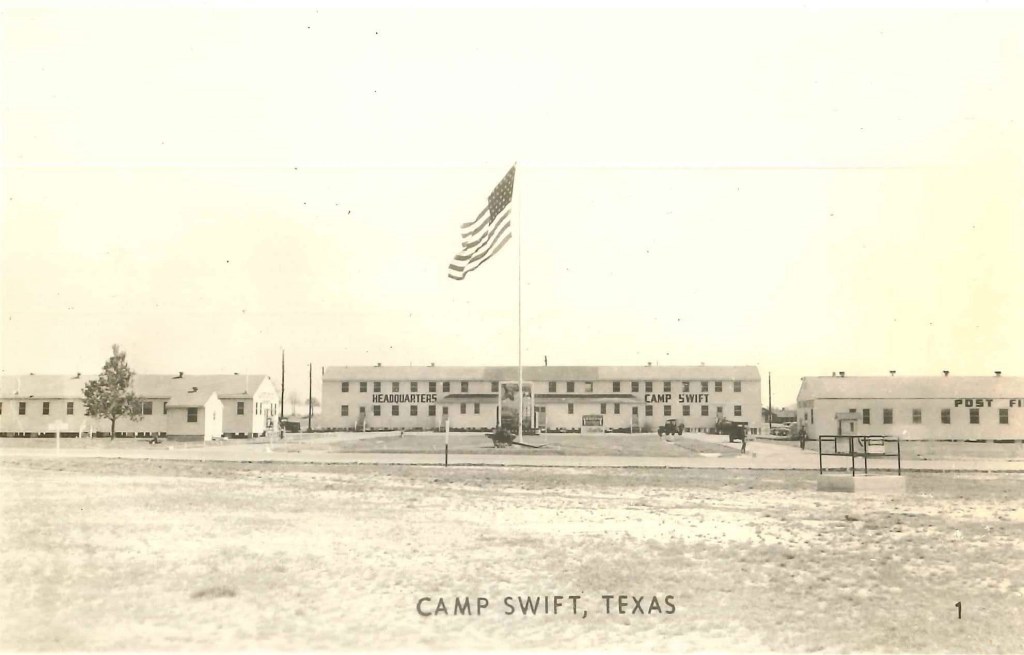
He arrived at Camp Swift in Bastrop, Texas, in early 1943 with Company C, 612th Quartermaster Bakery. The 612th Quartermaster Battalion was a massive parent organization comprising a Headquarters Company and four distinct baking companies, A, B, C, and D, totalling roughly 600 to 800 men. They all trained together in one place under a single Colonel. As a Corporal, he was given a leadership role and his own squad of men. He had to physically teach his squad the mechanics of scaling recipes, managing yeast fermentation, and handling heavy kitchen tools safety. Based on his skills, within 3 months of being there, he was promoted to Sargeant. This meant he was no longer just an assistant instructor, he was the Boss, fully responsible for an 8 to 12 man baking shift or an entire mobile oven section. He was also responsible for calculating the entire chemistry of the bake. He had to adjust ingredients for the brutal Texas humidity, trouble shoot mechanical failures on the gasoline mixers, and ensure his crew didn’t burn the rations! The camp was known for its harsh, dust-choked terrain.
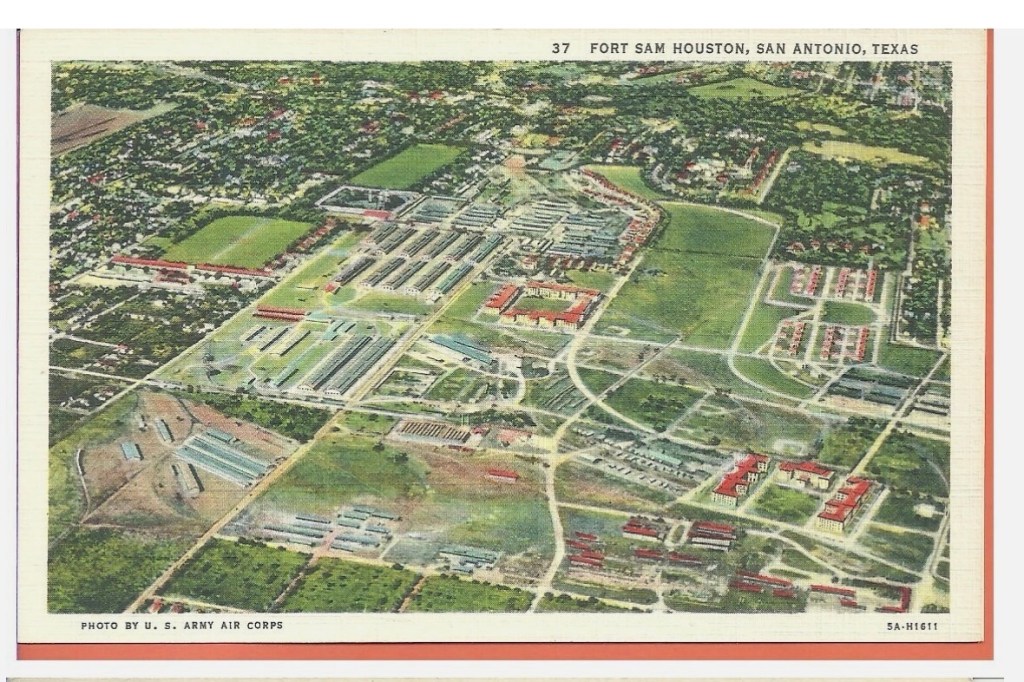
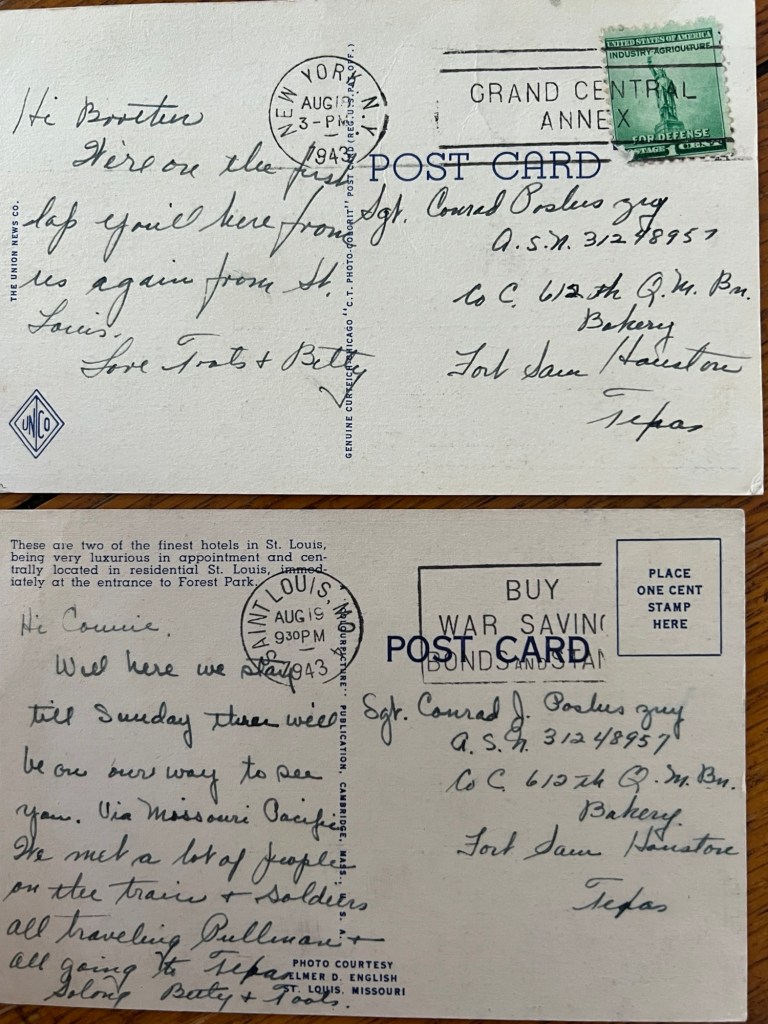
Fort Sam Houston, San Antonio Texas
Sometime in late May or early June of 1943, Connie and Company C were moved to Fort Sam Houston in San Antonio, Texas, for advanced logistical maneuvers. His training here would have included large-scale field exercises under the U.S. Third/Fourth Armies. The company had to prove it could feed an entire moving division. They practiced rolling their mobile baking trailers into the Texas brush, setting up camouflaged operations in the middle of the night, baking thousands of rations under strict “blackout” conditions, and packing them onto trucks for delivery to infantrymen on the mock front lines, all while mimicking gas attacks or air raids. He was a long way from Heilman’s Bakery on Center Street in Wallingford, Connecticut.
In late 1943 and early 1944, the army realized that a massive 800-man battalion was too slow and clumsy to deploy to shifting front lines. They divided up the battalions, and Connie’s section was broken off, reorganized, and renamed the 158th Quartermaster Bakery Company. It was a streamlined independent unit of just 150 to 180 men commanded by a single Captain.
The 612th QM had been a centralized, stationary mass production designed to set up one massive, permanent bakery at a major rear-base depot far behind the lines and bake bread for an entire fixed region. The new 158th QM was designed to be extremely mobile. The Pentagon could attach them to a moving field army or a specific Corps. They could pack their trucks, board ships, landing craft, or trains, and rapidly move from location to location, setting up mobile bakeries right behind advancing combat troops.
Camp Pickett, Virginia
Connie’s first stop as part of the 158th QM was to Camp Pickett, Virginia, where they began their independent field training maneuvers. I have three postcards from this time period, dated June 4, 1944, June 15th, and one unreadable date. The 158th QM was part of the XVIII Corps, comprised of thousands of men, containing multiple divisions and support units.
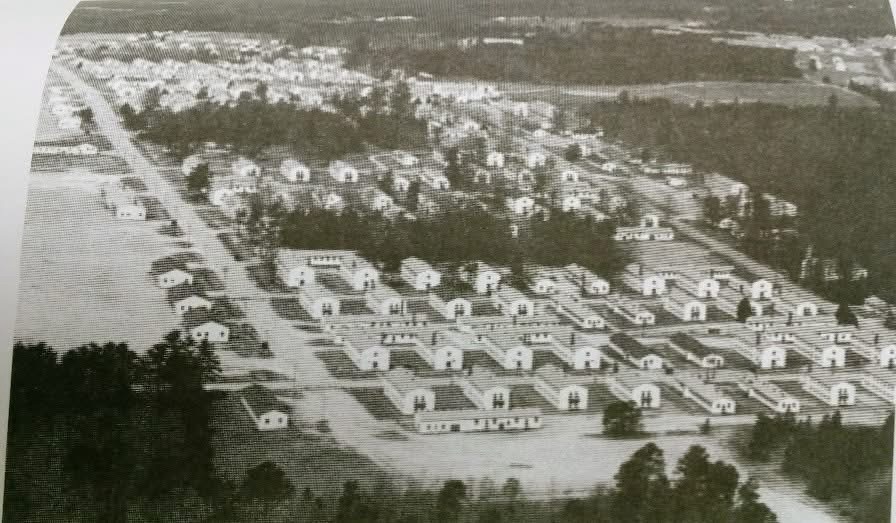
If the June 4, 1944 date rings any bells, Camp Pickett was a premier staging and training base for the June 6th D-Day invasions for the East Coast Ports of Newport News and Norfolk, Virginia. The camp was in a state of hyper-vigilance as entire divisions had just finished rolling through the base to head to the ports. In preparation for heading to Europe, Connie and the 158th QM would have continued their field-baking maneuvers out in the woods and fields to simulate operating under combat conditions, as well as forced marches with full combat gear.
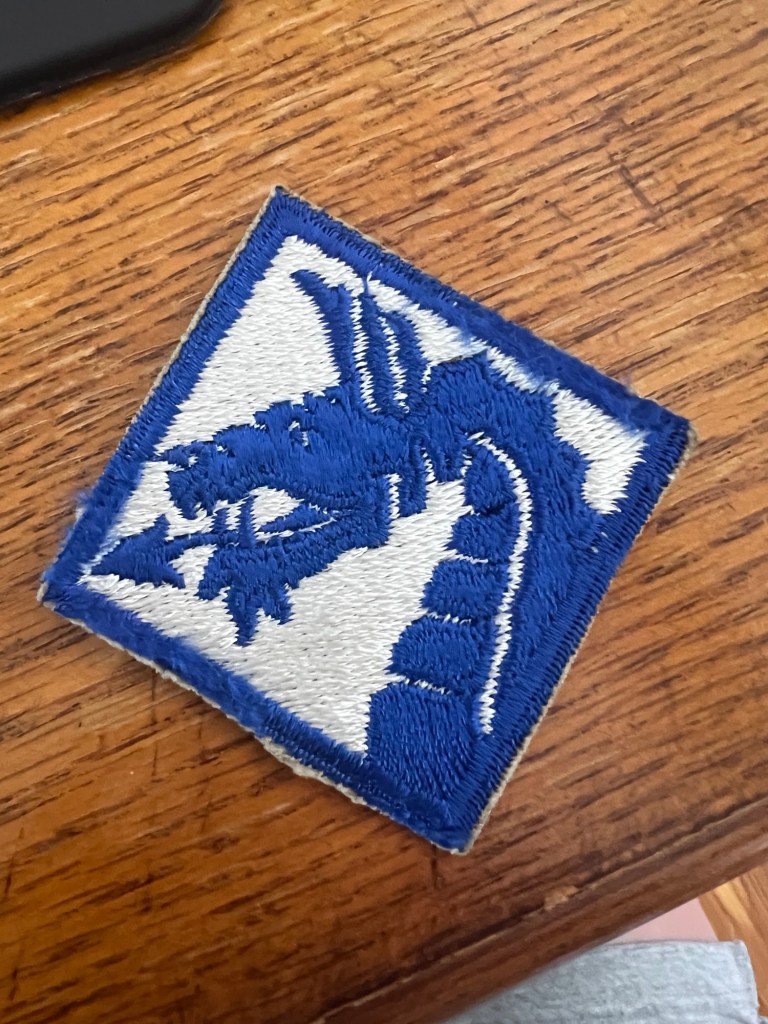
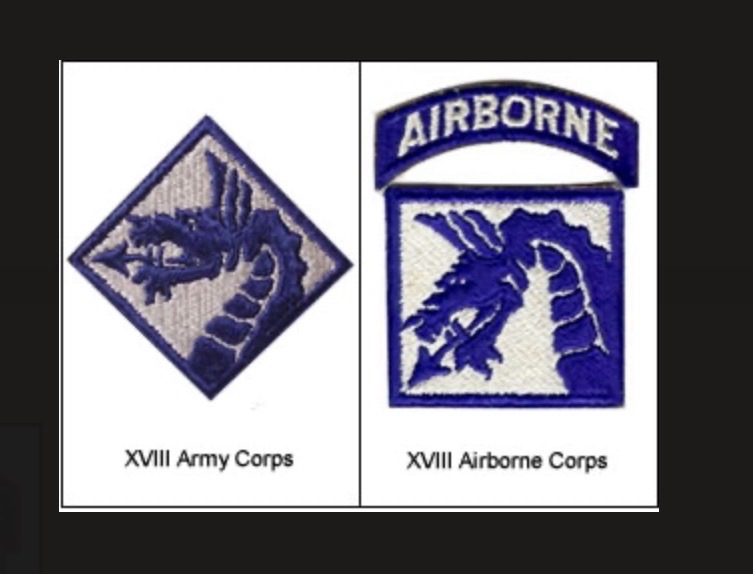
During his time as part of the XVIII Corps, Connie wore this patch on his uniform. The Corps was originally activated as the II Armored Corps, but was redesignated as the XVIII Corps in October of 1943. It became the XVIII Airborne Corps in August of 1944 and it went on to participate in major European campaigns, including the Battle of the Bulge. After August 1944, the dragon would be squared with AIRBORNE curved across the top.
By the June 15th postcard, news of the successful Normandy landing would have reached the troops, and the mood at the base shifted dramatically.
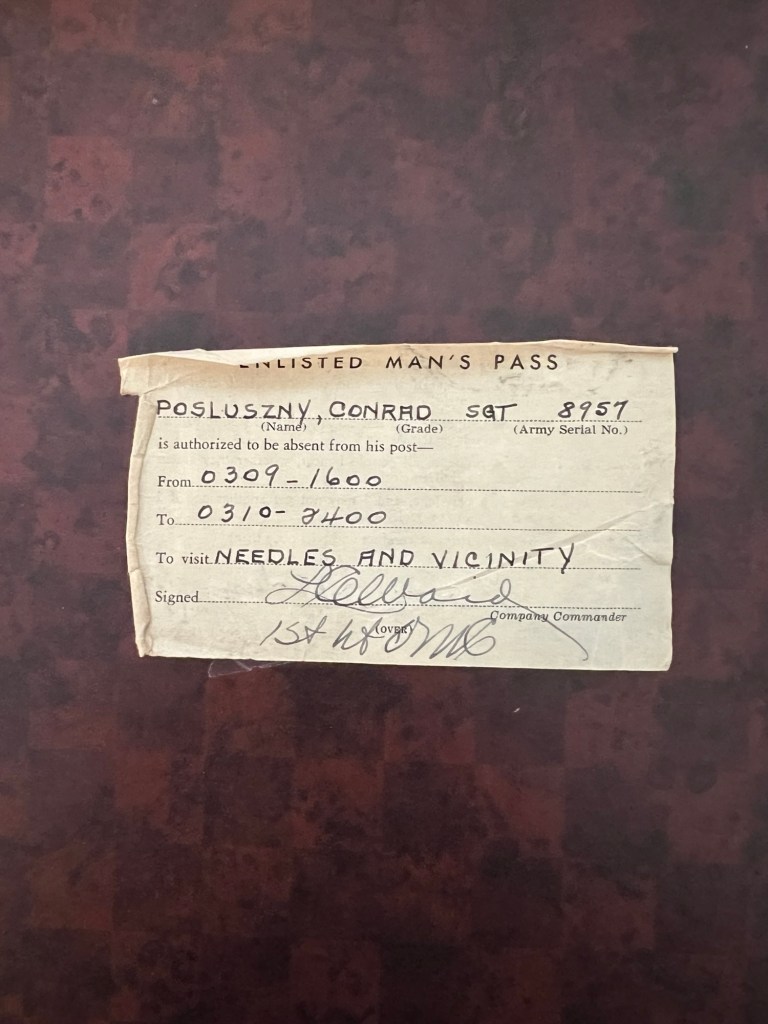
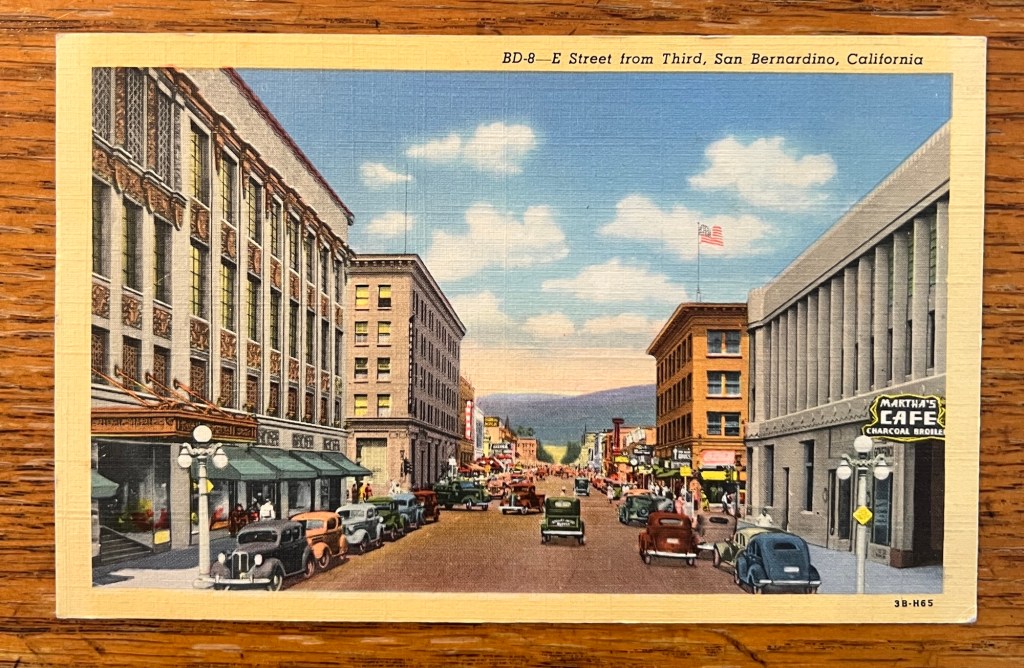
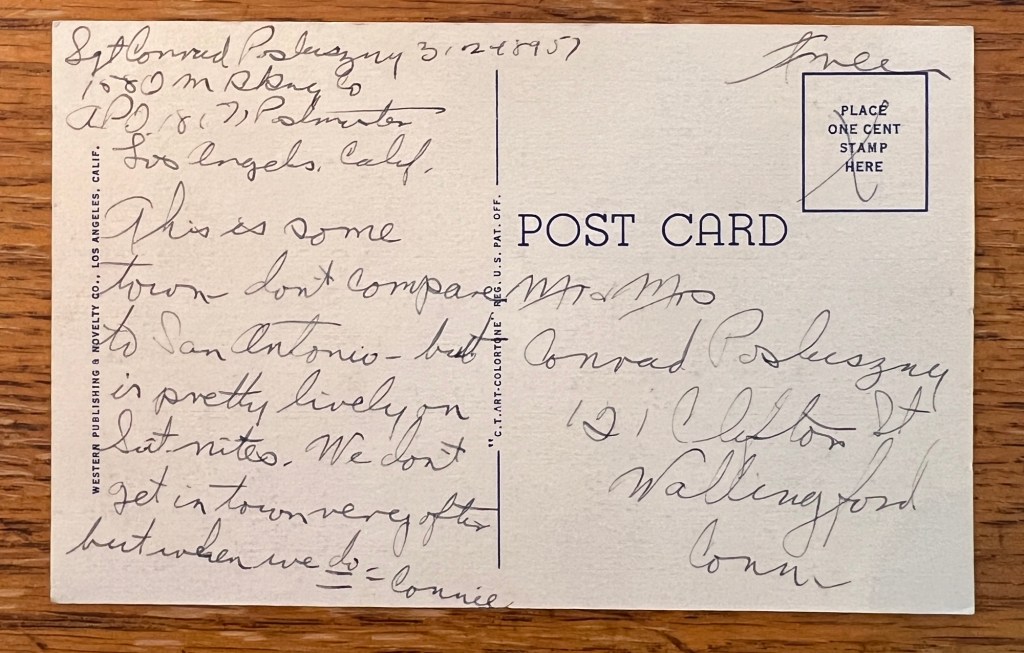
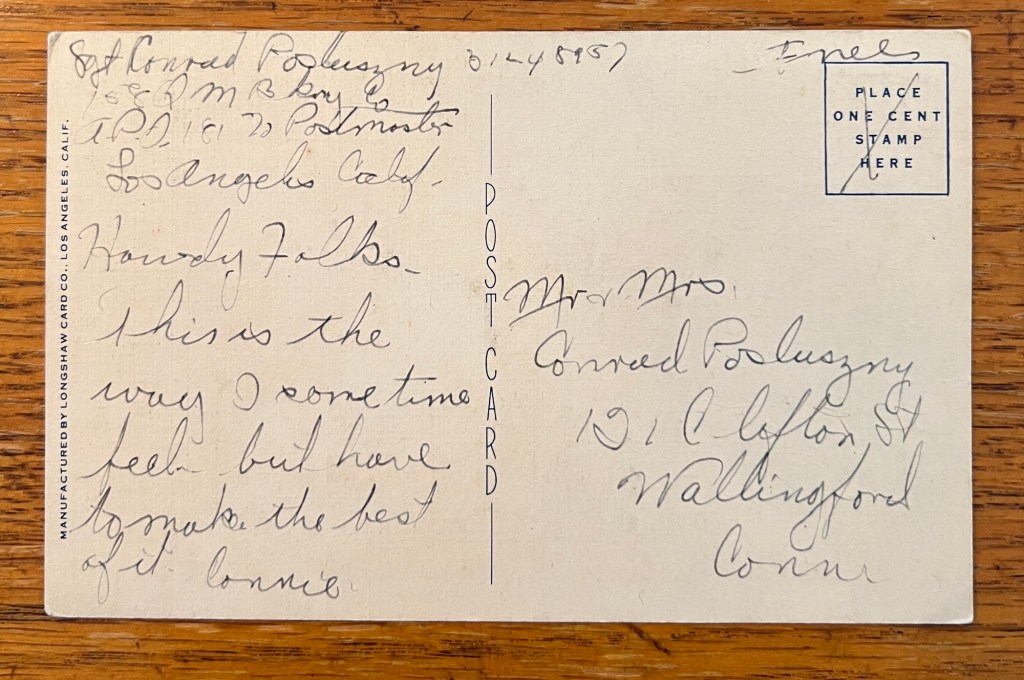
But, plot twist! Because the war in Europe was progressing rapidly after D-Day, the Pentagon began shifting freshly trained independent units to the Pacific Theater, where logistics were a nightmare and thousands of troops staging on islands needed to be fed. Connie and his 158th QM Bakery were on their way overseas, but over the Pacific Ocean, not the Atlantic. They packed up and headed to the Desert Training Center and its general depot in San Bernardino, California. His postcards now include the line “APO 181”. Army Post Office, designated for deployed military personnel. His family would not know where he was, only that he was “deployed”.
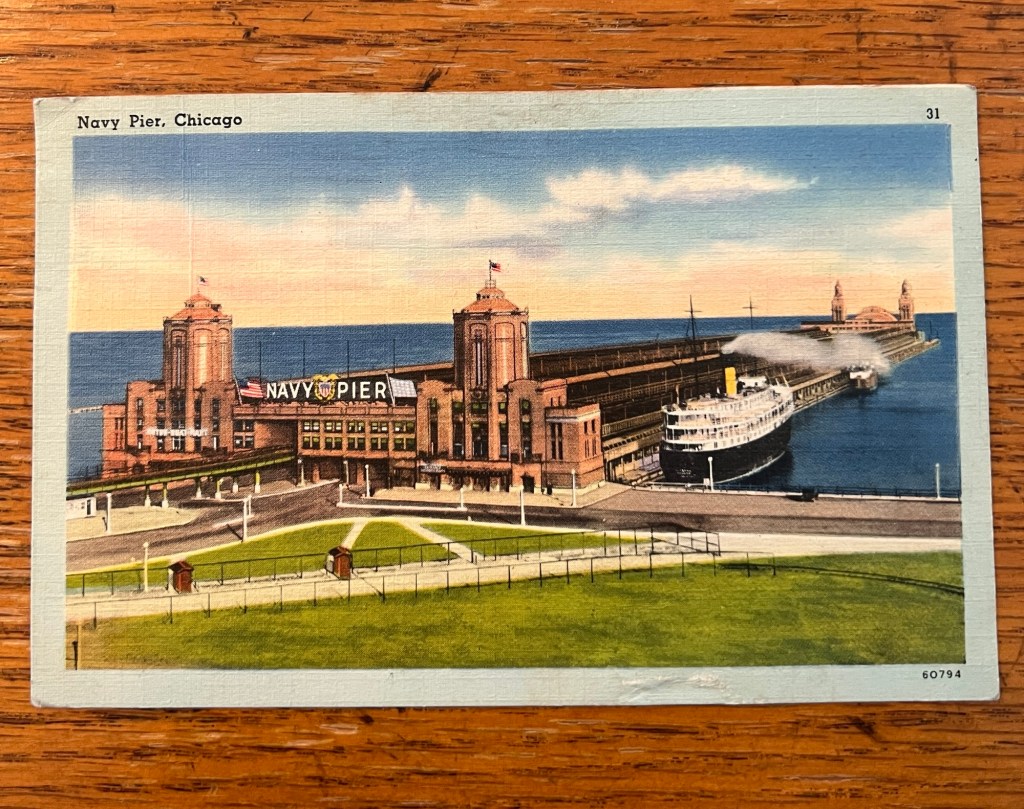
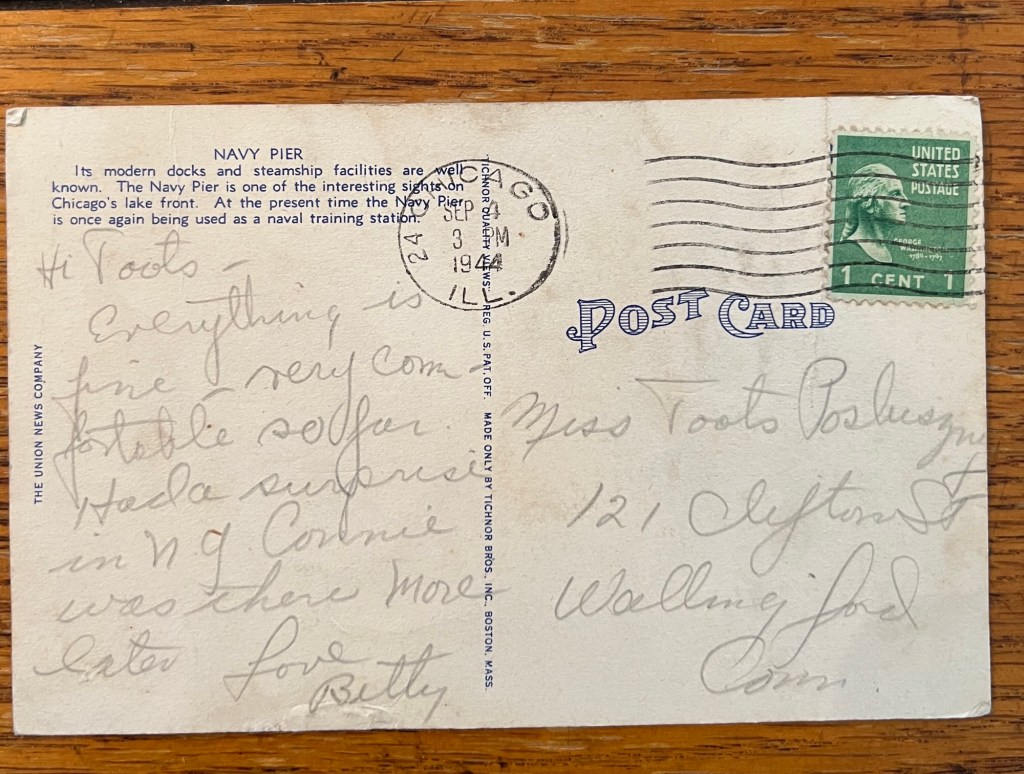
But when did they leave Virginia for San Bernardino? All of his postcards with APO addresses, have no postmarks. But I had a possible clue. There is a postcard postmarked Chicago on September 4, 1944 from my mother, who was on her way to visit her Tanta Lizzie and Uncle Ben in Los Angeles, to her sister Tootsie back home. It says in part, “…Had a surprise in N.Y., Connie was there. More later”. Was he on his way to San Bernardino with his Bakery Company? Was he on leave before heading out? It appears he didn’t visit Wallingford or call home. I’ll never know the situation, but the time frame of leaving Camp Pickett and heading to San Bernardino lines up with this card.
San Bernardino, California
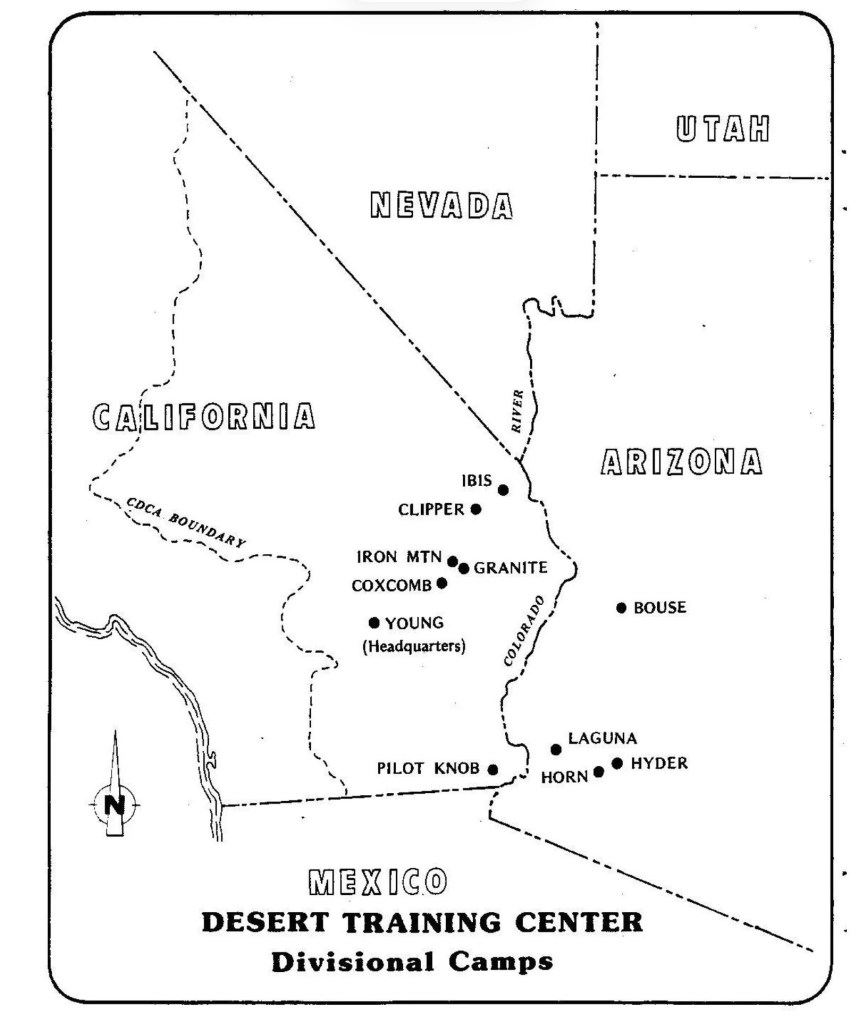
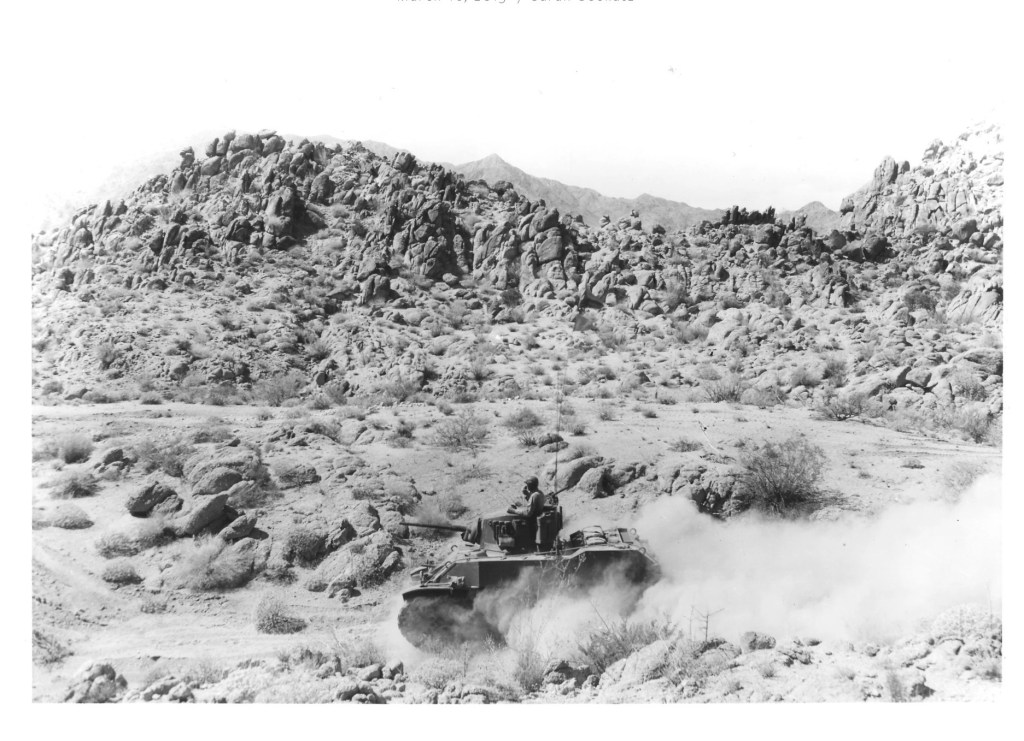
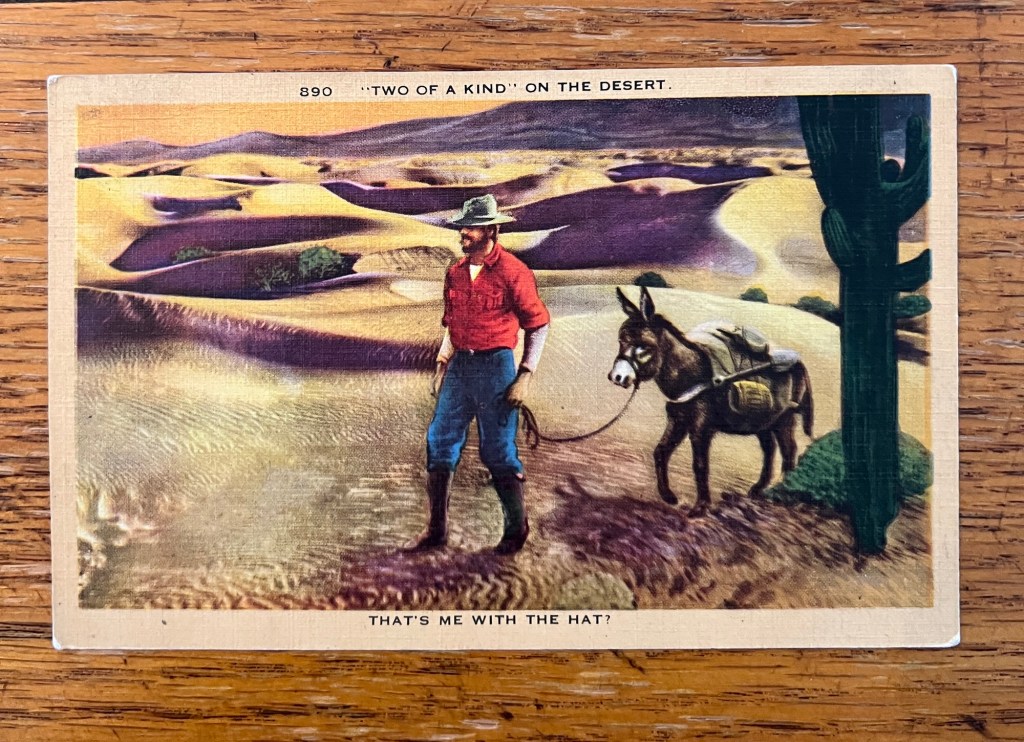
Camp Young, outside of Indio, was the headquarters for the Desert Training Center, also known as the California-Arizona Maneuver Area. It was comprised of eleven camps in California and Arizona, along with its general depot in San Bernardino. The DTC was created in the Spring of 1942 for soldiers to practice in climate similar to Northern Africa. Since fighting in that area lasted only 6 months, the focus was switched from desert warfare to general military training for the European and Pacific Theaters. The San Bernardino DTC base general depot served them all. The depot utilized the rail yards, fairgrounds and warehouses in San Bernardino to route supplies and mail into the desert camps.
In addition to the general depot, Connie and the 158th QM Bakery Company continued their training at one of the DTC camps with final high-heat conditioning and waterproofing of the heavy machinery before they headed overseas.
Family Worries
For the last year and a half, the family has received postcards from Connie. First Fort Devens, then Camp Swift, Fort Sam Houston, where my mom and Aunt Tootsie traveled to visit him, and on to Camp Pickett in Virginia. Receiving a card from Virginia in the days leading up to D-Day might have come as a shock and raised concerns that he would be heading to Europe. What did they think when they suddenly started receiving postcards from California, with an APO number, knowing things were heating up in the Pacific?
Something that would have amplified the family’s concern about this location change was the death of Connie’s cousin, George Burghardt, in the line of duty. Twenty-two-year-old George was somewhere in France when he was hit by fragments from an artillery shell. This resulted in a fracture to his skull with brain damage on July 8, 1944. His body arrived home on July 19th, with a funeral held the following day.
It all became too much. Early on December 28, 1944, Connie’s father, while working overnight as a janitor at the steel mill, went into the plant manager’s office and took one of the guns stored there and shot himself in the head. The chief guard said he had come to work in good spirits, but the newspaper reported he may have been “brooding about the dangers that might befall his son, who was believed to be stationed in New Guinea.” My grandfather suffered from depression, like other members of his family, and the worry for Connie compounded his illness.
I don’t know if Connie learned of his father’s death while he was gone or once he arrived back in the United States. If he arrived in California in September or October of 1944, and didn’t head to Guam until June or July of 1945, there would have been ample time for him to be notified, but not likely able to leave for the funeral.
Overseas
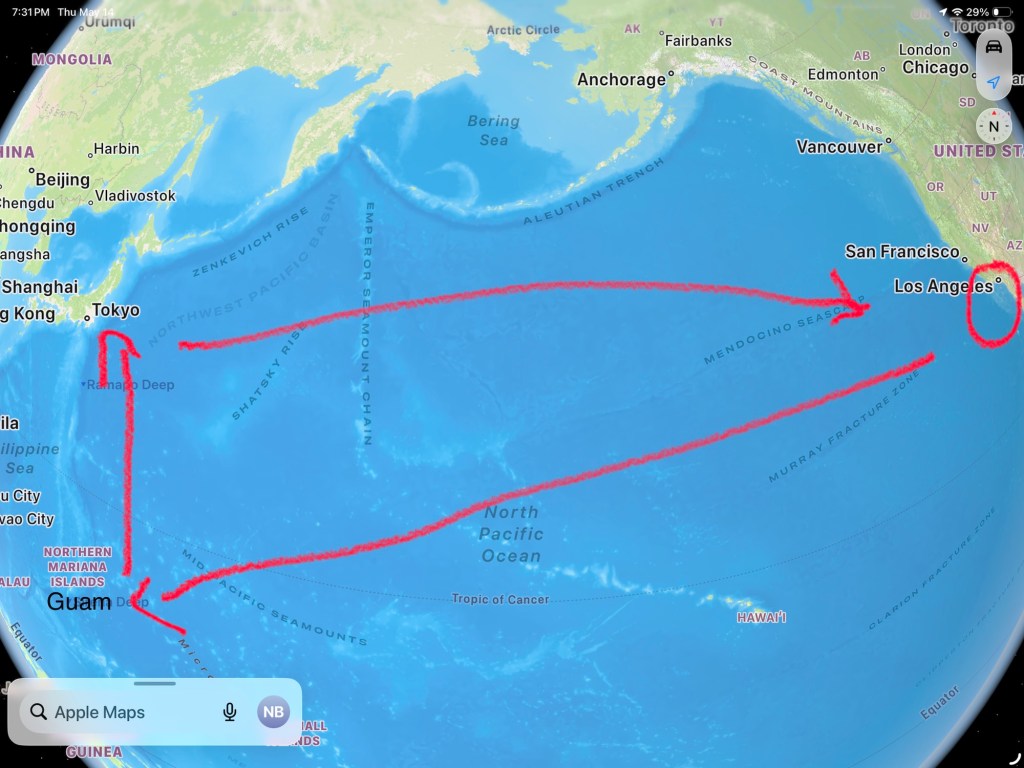
The 158th QM Bakery was sent to the Island of Guam, where they operated mobile ovens to feed thousands of troops assembling the planned invasion of mainland Japan, and their address changed to APO 182. The 182 activity date is listed as July 4, 1945, but they would have been preparing for and in transit long before that. Considering Guam was not recaptured from Japan until July 21, 1945, Connie and his 158th QM Bakery may have been feeding the troops while the fighting was going on or they were still enroute.
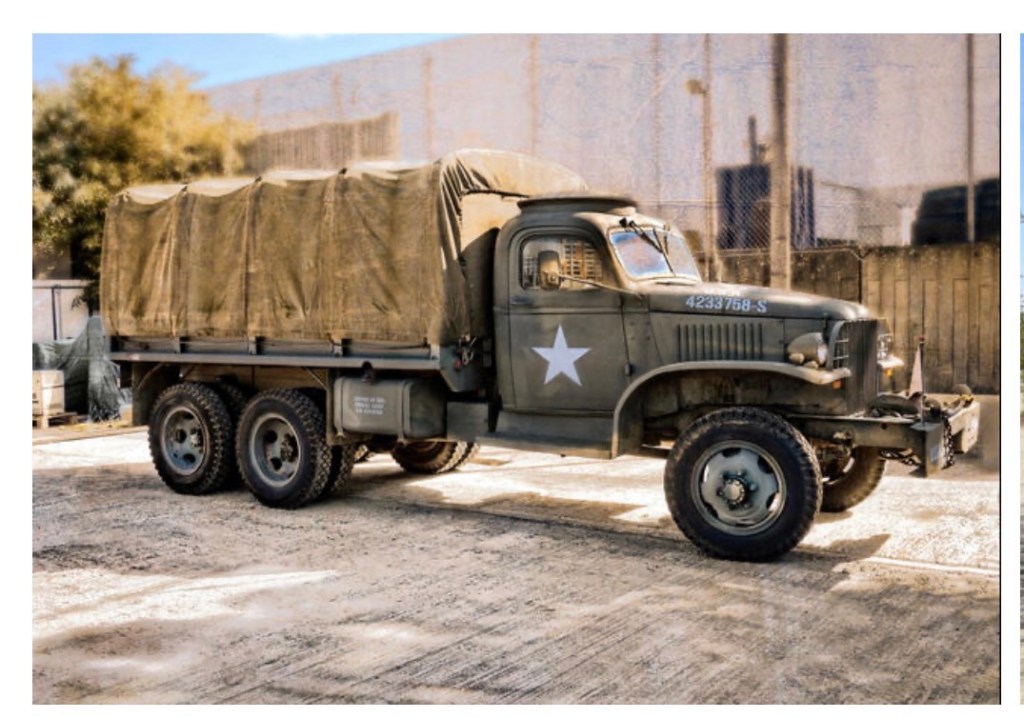
Once on the ground, to move a single company’s equipment, it took a fleet of 45 GMC 2-1/2 ton “Deuce and a half” tactical trucks. A full bakery company had 32 M-1942 bake ovens, 16 gasoline mixers, and 64 insulated fermentation cans to hold the rising dough. The ovens had two sections, with each section weighing 550 pounds!
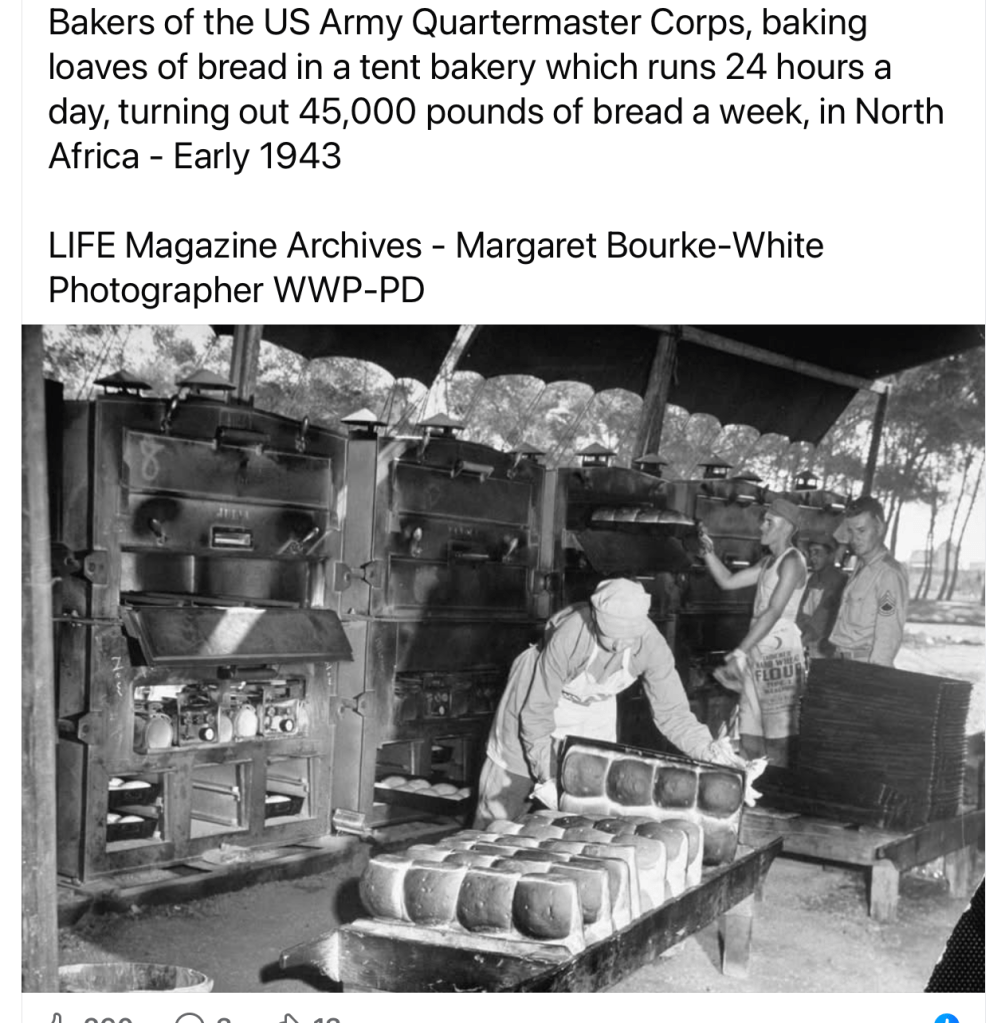
The following information comes from the Facebook Group, WW2 field Kitchen: “Because the Pacific climate was brutal, his platoon operated inside massive, sweltering Quartermaster Blackout Tents. Under strict tactical camouflage, they worked in rotating 24-hour shifts. They would load the gasoline mixers, dump in the flour, monitor the yeast fermentation in the insulated cans, manually punch down and scale the dough into standardized pans, slide them into the lower proofing boxes, and then bake them on the top decks. The resulting fresh, soft loaves were packed into canvas bags and rushed straight to the front lines by jeep, providing a massive, comforting taste of home to combat troops weary of eating cold canned rations.”
Upon Japan’s surrender, the 158th QM was deployed to Tokyo-Kanagawa District, Japan, to set up garrison bakery operations for the incoming U.S. Occupation Forces, and their mailing address changed back to APO 181 with an activity date of November 1, 1945. Nearly three years since being drafted.
Based on his length of service and his overseas time, Connie had a high number of points based on the Army’s “Advanced Evaluation Detachment Points system which allowed him to be relieved of duty in late November or Early December of 1945. He and any other qualifying soldiers boarded a packed troop transit ship and endured a multi-week winter voyage across the Pacific back to a West Coast port. On landing, he was immediately placed on a troop train to the East Coast and sent to a Separation Center close to home. On January 10, 1946, he officially received his Honorable Discharge, final pay, and veterans’ credentials and returned home to Wallingford, Connecticut.
Wallingford, Connecticut
Connie went home to Wallingford, Connecticut where he spent the rest of his years baking. He spent a short time working for Choate School, owned his own bakery (Connie’s Bake Shop) for a few years, and in 1959, settled in as the baker for Masonic Home and Hospital. He filled the bellies of family, friends, and co-workers until his death in November of 1981.